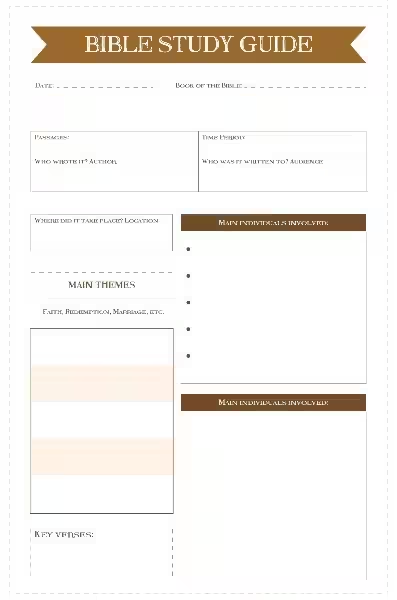
Delving into the sacred texts of any faith can feel daunting. Imagine a vast library, filled with ancient stories, profound wisdom, and complex teachings. Where do you even begin? The key lies in approaching scripture with a spirit of inquiry, recognizing its layered nature, and employing practical tools to unlock its meaning. This journey isn’t about finding one definitive answer, but rather about cultivating a deeper understanding and a personal connection with the words.
Natural understanding is a vital component. Scripture, in many ways, mirrors the human experience; it speaks to our joys, sorrows, struggles, and aspirations. If we approach it with an open heart and a willingness to engage with our own lives, we can find surprising echoes and insights. Think about how a familiar poem resonates with you. You connect with the words based on your own life experiences, and you don’t need a professor to tell you what it means. Scripture can be similar: engage with it authentically and you’ll begin to appreciate and understand it on a deeper level.
Understanding the Context: Unpacking the Historical and Cultural Landscape
Scripture isn’t a static document; it’s a collection of writings shaped by time, place, and culture. Understanding the historical and cultural context in which the texts were written is crucial for accurate interpretation. Consider the customs, beliefs, and social structures of the time. For example, if a passage describes a specific practice, researching its meaning within the ancient society is vital for proper understanding. This understanding helps us avoid projecting modern values and interpretations onto ancient texts. These contexts include: geography, politics, social structures, and prior beliefs.
For instance, a passage describing a sacrificial offering in the Old Testament may appear barbaric to a modern reader. However, understanding the cultural significance of sacrifice in that time, perhaps as a form of covenant or atonement, provides a different perspective. Context allows us to read scripture with empathy and an appreciation for the complexities of human history.
Exploring Different Interpretations: The Power of Dialogue
A rich tapestry of interpretations exists within and across faiths. Scripture often holds multiple layers of meaning, and no single interpretation is definitively correct. Think of a painting; you can see different details and meanings within its colours and brushstrokes. This is similar to scripture: different individuals and communities may find diverse insights and perspectives when engaged with it. It is important to acknowledge the diversity of interpretations and engage in open discussions, seeking to understand different viewpoints and perspectives. This may involve scholarly research, conversations with religious leaders, and personal reflection.
Engaging with commentaries, theological texts, and the insights of others offers valuable perspectives. Consider a passage about forgiveness. Different traditions and individuals might emphasize different aspects of the message, highlighting the impact on personal relationships, societal reconciliation, or spiritual growth, for example. Actively seeking and engaging with diverse interpretations enriches our own understanding and fosters a more inclusive approach to scripture.
Applying the Principles: How to Incorporate Scripture Into Your Life
Scripture is not simply to be read; it’s meant to be lived. Understanding scripture is a journey of application and reflection. Think about how the stories and teachings can be applied to your daily life – how can you embody the principles? Consider how to live virtues spoken about in the scripture. Think of how to act justly, show compassion, or practice humility. This involves reflecting on the ethical implications, personal growth opportunities, and spiritual transformations the texts suggest.
For example, if a passage speaks of compassion, reflect on how you can demonstrate compassion in your own relationships and interactions. Consider how to act in accordance with the principles and values the scripture emphasizes. Understanding scripture in this way fosters personal growth and inspires positive action. This can also involve personal spiritual practice, prayer, and meditation. These practices often help you reflect on your experiences and engage with scripture on a deeper level.
The Ongoing Dialogue: Scripture and the Human Spirit
The journey of understanding scripture is continuous. We’re not simply searching for answers, but for connections. Scripture is an ongoing conversation with the divine, and we are invited to participate. The answers might not always be immediate or easy, but the process of engaging with scripture can enrich our lives, fostering wisdom, compassion, and a deeper connection with ourselves and our faith community. Embrace the mystery of interpreting scripture, recognizing that it is a journey of growth and understanding. Engage scripture as a living, breathing text that continuously challenges and inspires us.
This journey is deeply personal. It’s about finding your own path, your own understanding. It’s a continuous process of learning, reflecting, and growing. Be patient with yourself and embrace the rich tapestry of possibilities found within these texts. Scripture is a gift that continues to reveal itself over time with ongoing engagement and contemplation.
Frequently Asked Questions
How can I understand scripture?
Understanding scripture requires careful study and reflection. Consider the historical context, cultural background, and literary form of the text. Seek guidance from trusted teachers and commentaries. Prayerful engagement and a willingness to learn are key.
Religion is a complex system of beliefs, practices, values, and institutions centered around the spiritual or transcendent. It often involves a relationship with a deity or higher power, rituals, community, and ethical codes. Definitions vary depending on the specific religion and individual interpretation.