Embarking on a journey through the Bible can feel daunting, like stepping into a vast, unfamiliar library. But don’t worry; it doesn’t have to be intimidating. This guide will equip you with a simple approach, focusing on key verses that illuminate fundamental concepts and connect with your life. We’ll begin by exploring fundamental ideas about God’s character and his relationship with humanity, starting with a simple, clear understanding of scripture. These insights will pave the way for more complex studies later. This also emphasizes that faith is a journey, not a destination, encouraging continuous study and reflection.
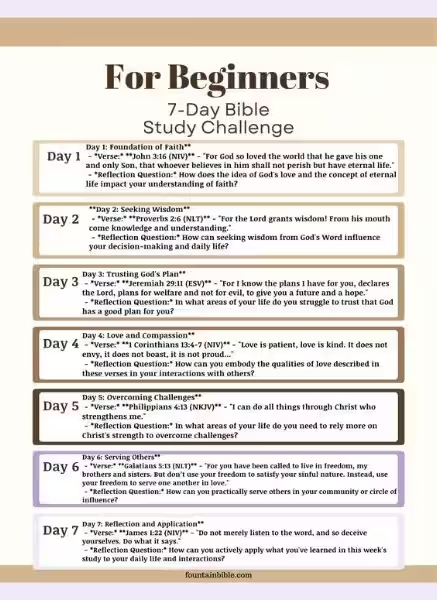
The Bible is a collection of books, written over centuries, by various authors. These stories, poems, and prophecies offer a rich tapestry of wisdom and guidance. A great place to start is with foundational concepts, such as God’s nature and His plan for humanity. Understanding the context is crucial. For instance, knowing the historical and cultural setting in which a particular verse was written can help you appreciate the message more deeply. Consider the historical context of the verse, allowing you to appreciate the message in its proper setting. “For I know the plans I have for you,” declares the Lord, “plans to prosper you and not to harm you, plans to give you hope and a future.” (Jeremiah 29:11). This verse demonstrates God’s enduring love and hope for you.
The Bible reveals a God who is loving, merciful, and just. Imagine a parent who loves unconditionally, disciplines lovingly, and provides for their children. This is the type of God presented in many Bible verses. Understanding this foundational concept is critical. For example, “The Lord is gracious and merciful, slow to anger and abounding in steadfast love.” (Psalm 103:8). This verse paints a picture of a forgiving and patient God. Learning this will help you form an accurate idea of who God is.
Many verses highlight God’s omnipotence and omniscience. This means God is all-powerful and all-knowing. Think of God as a powerful architect, knowing every detail of their design before the first brick is laid. Consider this example: “For I know the plans I have for you,” declares the Lord, “plans to prosper you and not to harm you, plans to give you hope and a future.” (Jeremiah 29:11). This verse affirms God’s meticulous planning and care for your life. This reinforces the notion that God’s plan for your life is perfect and will ultimately lead to good.
Discovering the Importance of Prayer
Prayer is a vital aspect of the Christian faith. It’s a direct communication channel with God, allowing us to express our needs, desires, and gratitude. Think of it like talking to a dear friend, sharing your joys and sorrows. “And whatever you ask in prayer, believing, you will receive.” (Matthew 21:22). This verse highlights the power of faith in prayer. You need to not only pray but believe with all your heart that your prayers will be answered. This inspires confidence in your relationship with God. Consistent prayer is an essential part of deepening your faith.
Exploring different types of prayers is also part of developing a relationship with God. You can pray for guidance, for healing, for strength, or simply to express gratitude. The Bible is filled with examples of people who prayed, and their experiences can provide insight and encouragement. One of the most powerful examples is Jesus’ prayer. “Our Father, which art in heaven, Hallowed be thy name.” (Matthew 6:9). This verse demonstrates the importance of prayer and communion with God. It provides a model for how to approach prayer and connect with God.
Some of the most important verses to study include:
Psalm 23: The Shepherd Psalm
John 3:16: The Gospel of Love
Romans 8:28: God’s Plan for Us
Philippians 4:6-7: Finding Peace
These verses offer profound insights into God’s nature, His love, and His promises to us. By reflecting on these verses and others, you can strengthen your faith and deepen your understanding of God’s word.
By starting with these foundational verses, you can build a strong foundation for your spiritual journey. Remember to read and reflect on each verse, considering its meaning in the context of the surrounding verses and the overall message of the Bible. The Bible is a living document, with messages relevant to us today. By studying these verses, you will not only learn about God but also discover how He interacts with humanity and offers guidance for life.
Frequently Asked Questions
What are some good Bible verses for beginners?
Start with the Gospels (Matthew, Mark, Luke, and John) which tell the story of Jesus’ life and teachings. Simple verses like John 3:16 or Matthew 5:3-11 are excellent starting points.
What is religion?
Religion is a set of beliefs and practices related to the supernatural, often centered around a deity or deities. It can include rituals, ceremonies, and ethical codes. Different religions have diverse beliefs and practices.
How can I choose verses to study?
Focus on verses that resonate with you personally. Consider the themes they address, like love, forgiveness, or hope. You can also look for verses related to specific challenges you are facing.
Seek out commentaries, Bible dictionaries, or other resources to help clarify the meaning. Talking to a religious leader or a knowledgeable friend can also be helpful.
How often should I study the Bible?
There’s no set answer. Consistency is key. Even a few minutes each day can be beneficial. Aim for a schedule that fits your lifestyle and goals.
Are there any resources to help me understand the Bible better?
Yes, many resources exist, including Bible study guides, online resources, and study groups. Look for resources that are geared towards beginners and easy to understand.