Embarking on a journey through the King James Version (KJV) can feel daunting, especially if you’re new to biblical study. Fear not! This guide aims to make the experience more approachable and engaging. The KJV, rich in language and history, offers profound insights into faith and life. With the right approach, you can unlock its wisdom and discover its timeless message.
Why read the KJV? The KJV’s poetic language and rich imagery create a powerful connection to the text. Its influence on English literature is undeniable. Understanding the KJV allows you to appreciate the historical context of biblical stories, grasp the nuances of the original languages (even without fluency), and discover a deeper understanding of the faith. You might find yourself drawn to the profound truths and inspiring stories within. This is a journey of exploration, not just a task. It is a dialogue with centuries of faith.
The KJV isn’t just a collection of stories. It’s organized into books, often grouped by genre. Knowing this structure helps you navigate the text more effectively. For example, the historical books like Genesis, Exodus, or Kings provide accounts of the past, while the Gospels (Matthew, Mark, Luke, and John) focus on the life of Jesus. Understanding the different genres – poetic books like Psalms, prophetic texts in Isaiah and Jeremiah, and epistles such as Romans and Corinthians – allows you to approach each section with the appropriate mindset. This organization helps frame the different sections in their appropriate context.
Think of it like a library: Different sections are devoted to specific aspects of faith and life. The Old Testament lays the groundwork for the New Testament, exploring foundational principles. The New Testament documents the life, teachings, and impact of Jesus Christ. Different books tell different stories, some historical, some poetic, some practical instruction. The key is to engage in a natural, consistent reading pattern to discover the different perspectives.
Reading Naturally: A Practical Approach
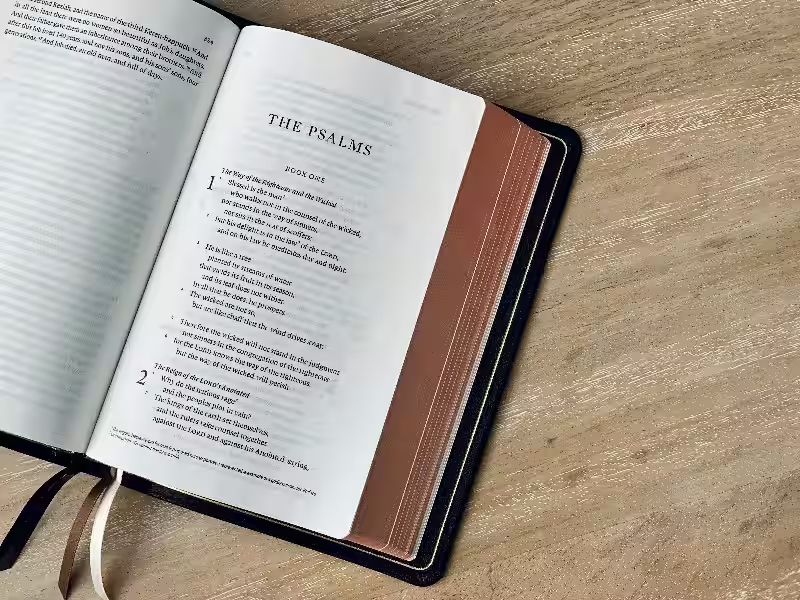
Reading the KJV doesn’t have to be a chore. Approach it as you would any engaging book. Begin by reading familiar passages, perhaps the Psalms, or stories you’ve heard before. Familiarize yourself with the language through repetition and careful reading. The KJV is not a modern text. It requires slow, conscious effort. If a word or phrase is unfamiliar, look it up. A concordance, a dictionary, or a study Bible can be invaluable tools. You can use modern language references as well to better understand the context.
Consider these strategies: Read small portions each day. Don’t try to read everything at once; it’s about consistent engagement. Take notes as you read. Highlight passages that resonate with you. Ask questions. What does this passage mean to you today? What context can you find to better understand the meaning? Prayerfully engage with the text, seeking guidance and understanding. This is a personal journey of discovery.
Finding Meaning and Application
The KJV’s rich language allows for deeper meaning than a straightforward reading might reveal. Look for connections between different passages. Are there themes that recur? Are there principles you can apply to your daily life? Identify key characters and their actions. What can you learn from their experiences? For example, studying the life of David in the Old Testament offers insights into perseverance and faith. The principles of forgiveness and grace, as exemplified by Jesus, can be incredibly relevant in our modern world.
Reflect on the message: How can the wisdom of the KJV inform your decisions? How can you live out the principles presented? Don’t be afraid to ask questions. Seek counsel from mentors, faith leaders, or study groups. Engage your mind and heart and seek a relationship with the text. The KJV isn’t just a book; it’s a window into the soul of humanity and a guide for spiritual growth. It’s an invitation to embark on a journey of faith that will deepen your relationship with God and with yourself.
Beyond the Basics: Tools and Resources
Many resources can enhance your KJV reading experience. Study Bibles provide detailed notes, explanations, and historical context. Concordances allow you to look up every occurrence of a word in the Bible. Commentaries offer insights from different scholars and perspectives. These tools are more than just aids; they help to uncover the layers of meaning in the text. Be sure to research and find resources that suit your needs and learning style.
Remember: There’s no single “right” way to read the KJV. The key is to be intentional and to approach the text with a desire to learn and grow. Experiment with different approaches and find what works best for you. Your journey of discovery through the KJV is a personal one. Embrace the process and enjoy the journey. The more you read and reflect, the richer your understanding will become. This is a journey, not a destination.
Frequently Asked Questions
How do I read the KJV Bible effectively?
Reading the KJV, like any other version, requires focus and intention. Start by choosing a passage or book that interests you. Read slowly, meditating on the words and their meaning. Consider using study aids like commentaries or concordances to deepen your understanding. Prayerful reflection can enhance your experience.
Religion is a broad concept encompassing a set of beliefs and practices related to spirituality, often involving a deity or deities. It typically involves rituals, moral codes, and a community of believers. Religions can vary significantly in their doctrines, traditions, and interpretations.