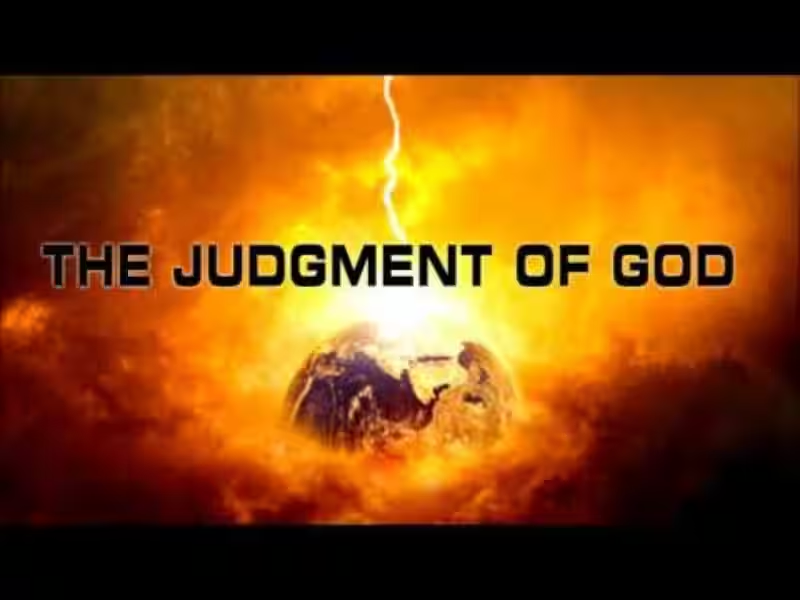
Throughout history, the concept of God’s judgement has captivated and disturbed humanity. From ancient myths to modern theological debates, the idea of a divine reckoning with human actions continues to hold a powerful sway. This isn’t solely a religious concept; it’s a reflection of our deep-seated need to understand consequences, to grapple with morality, and to contemplate our place in the grand scheme of things. Ethical frameworks have been constructed and challenged in light of this concept, shaping societies and influencing individual behavior throughout the ages. We see echoes of these judgements in legal systems, personal reflections, and the very narratives we tell each other.
This exploration delves into the multifaceted nature of God’s judgement. We’ll explore its origins in various religious traditions, examine its diverse interpretations, and consider its relevance in a modern world grappling with complex ethical dilemmas. Understanding this concept isn’t just an academic exercise; it’s about understanding ourselves better, our actions, and perhaps, even the very nature of existence itself. We’ll look at how cultures have used this concept to define their values and create social order, as well as how individuals use it to navigate life’s challenges and make important choices.
The Roots of Divine Judgement: Across Cultures and Time
Ancient civilizations, from the Greeks to the Babylonians, developed sophisticated mythologies that included divine judgement. These narratives often involved stories of gods weighing human souls, assessing deeds, and meting out rewards or punishments. For example, in Greek mythology, the Fates determined destinies, and Hades judged the souls of the departed. These accounts served as a powerful social control mechanism, highlighting the importance of adhering to moral codes to avoid divine retribution. They provided a framework for understanding the world and our place within it, establishing patterns of behavior that mirrored the perceived will of the gods.
Many of these early concepts laid the groundwork for later religious traditions. The concept of divine reckoning evolved in different cultures, but the core idea of accountability and consequence remained. Think of the Hebrew scriptures, where God’s judgement is central to the covenant. This concept of a covenant highlights the reciprocal agreement between humanity and the divine. The Judeo-Christian tradition provides a rich tapestry of examples of God’s judgement, demonstrating its enduring impact. This, in turn, shaped legal and ethical frameworks in Western societies.
Interpretations of God’s Judgement: Beyond the Literal
God’s judgement isn’t always interpreted literally. While some religions envision a specific final judgement day, many see it as an ongoing process. This perspective views divine judgement as an assessment of our actions in real-time, influencing our present and future outcomes. Examples include the concept of karma in Hinduism and Buddhism, where actions have consequences that ripple through lifetimes. This interpretation of the divine judgement emphasizes personal responsibility and the importance of ethical living.
Moreover, contemporary interpretations often focus on the inner judge we carry within. This internalized judgment, informed by religious or ethical frameworks, shapes individual conscience and motivates ethical choices. Philosophically, this echoes the idea of a moral compass, guiding our actions and prompting us to reflect on our impact on others. This internalized judgement often influences our decisions and behavior in ways that shape not just our personal lives but also our interactions in society.
God’s Judgement in the Modern World: Navigating Ethical Dilemmas
In our complex and interconnected world, the concept of God’s judgement continues to resonate. Facing global challenges like climate change, social inequality, and political conflict, many seek guidance from religious values. For example, the moral implications of scientific advancements like genetic engineering or artificial intelligence are often debated through a lens of religious principles, with the potential impact on future generations serving as a key element in these deliberations. These discussions highlight the contemporary relevance of the concept, prompting us to consider the long-term consequences of our actions and the responsibility we bear towards those around us.
The concept of divine judgment also provides a framework for ethical decision-making in personal life. How do we reconcile personal desires with wider societal or environmental concerns? Individuals often find comfort and guidance in their faith, drawing on principles of justice, mercy, and accountability to navigate complex choices. The ongoing debate about these issues provides avenues for seeking wisdom and guidance on a wide range of issues, from personal conduct to political strategies.
Conclusion: The Enduring Legacy of God’s Judgement
From ancient myths to contemporary discussions, the concept of God’s judgement remains a powerful and multifaceted force in the human experience. It shapes our understanding of morality, accountability, and our place in the universe. Exploring its diverse interpretations and historical context allows us to gain a deeper appreciation for this fundamental aspect of human consciousness. Ultimately, this exploration compels us to reflect on our own actions, their consequences, and the responsibility we bear towards ourselves and others.
Ultimately, the enduring power of God’s Judgement lies in its inherent ability to inspire introspection and guide ethical behavior, whether through formal religious frameworks or individual conscience. This constant engagement with the principles of accountability and responsibility remains a critical aspect of our ongoing quest for meaning and purpose. This discussion helps us better understand the historical, cultural, and philosophical significance of these ideas. It illuminates the need for consistent self-reflection, and the importance of developing a meaningful ethical framework for navigating a complex world.
Frequently Asked Questions
What is God’s Judgment?
The concept of God’s judgment varies across religions and traditions. Some believe it involves a divine assessment of a person’s actions and character, determining their fate in the afterlife. Others view it as a continuous process of accountability in this life, affecting one’s spiritual growth and relationship with the divine.
Religion is a system of beliefs, practices, and values centered around a sense of the sacred or the divine. It often involves rituals, ceremonies, and community, providing a framework for understanding the world and one’s place within it.
How does religion affect one’s understanding of God’s Judgment?
Different religions offer diverse perspectives on God’s judgment. Some emphasize a strict system of rewards and punishments, while others focus on the importance of personal growth and transformation. The specific beliefs and practices of a religion shape how its followers understand their relationship with the divine and the concept of judgment.
What are the different views on the afterlife in various religions?
Different religions have varied beliefs about the afterlife and God’s judgment. Some believe in heaven and hell, others in reincarnation, and yet others in a state of non-being or absorption into the divine.
How can I learn more about specific religions and their beliefs about judgment?
Researching different religions through reputable sources such as academic texts, religious texts, and scholarly articles can offer a more in-depth understanding of their specific beliefs about judgment.