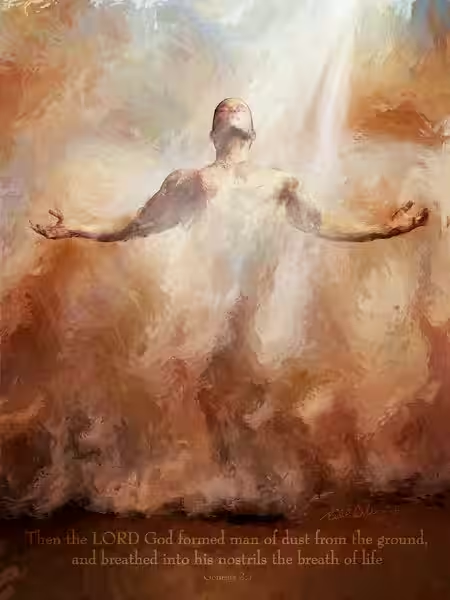
The concept of God as a spirit is fundamental to many religions. It challenges our human understanding of the world, prompting us to explore the nature of existence beyond the tangible. This concept often invites us to reflect on the intangible divine presence and its relationship to the physical world. It doesn’t mean God is absent from our lives; rather, it emphasizes a divine realm that transcends our conventional perception. For example, many religions depict God as the source of all creation, a force that pervades every aspect of existence, unseen yet profoundly influential.
Spirituality often involves an emphasis on inner experiences and personal connection with the divine. This can manifest in prayer, meditation, or acts of service. These practices are vital pathways to understanding this intangible God. Imagine a flowing river: the water represents the tangible aspects of life—our experiences, relationships, and emotions. The river flows from a source, much like God, who is the unseen, yet powerful, spiritual force behind all that we witness. This powerful idea of God as a spirit is what allows for a connection beyond the constraints of our physical limitations.
The Impact of God as a Spirit on Religious Practices
The belief in God as a spirit profoundly shapes religious practices worldwide. Worship styles vary greatly depending on the specific tradition. For example, some religions focus on rituals and ceremonies, while others emphasize personal reflection and contemplation. These diverse approaches all stem from the understanding that spiritual connection is a personal, subjective journey. Other examples include prayer, meditation, and acts of service—all methods of engaging with the intangible divine presence.
Different religions have developed unique approaches to understanding and interacting with this intangible divine presence. For instance, some faiths emphasize the importance of communal worship, encouraging collective prayer and spiritual growth. Others focus on individual experiences, believing that each person can find a personal connection with God. This diverse tapestry of practices highlights the various expressions of faith and the individual’s connection to God as a spirit—a personal and profound journey.
Faith is crucial when contemplating the concept of God as a spirit. We cannot fully comprehend or ‘see’ God in the way we perceive the physical world. This is where belief and trust become essential elements. Imagine trying to discern the air around you; you can feel its effects, but you cannot see it. Yet, you know it is there. Similarly, faith allows us to accept the existence of God as a spirit, even though it remains unseen. Furthermore, this unseen realm is the source of profound meaning and purpose for many.
Belief also involves recognizing the limitations of human understanding when it comes to the infinite. Our minds have a finite capacity to grasp the vastness of the divine. It is within this realm of faith and belief that we find solace and strength. We find inspiration in the stories, rituals, and teachings of our faith traditions, which often provide guidance for navigating life’s challenges. These stories and teachings are meant to connect us with the divine essence and guide us on our personal journeys.
Challenges and Questions
The concept of God as a spirit can raise profound questions. How can we comprehend a being that is beyond our sensory experience? What is the nature of this intangible divine presence? Many theologians and philosophers have grappled with these questions throughout history. These questions often lead us to a deeper understanding of our relationship to the universe and our place within it.
These challenges are not unique to any one religion. They are fundamental to our human experience of trying to understand the unknown. It is in grappling with these questions that our faith can grow and deepen. We’re essentially trying to grasp an infinite concept with finite minds. For example, scientists grapple with the origins of the universe, and philosophers contemplate the meaning of existence—in essence, it’s a journey of continuous inquiry, of seeking and questioning.
The concept of God as a spirit is a powerful and profound idea. It invites us to go beyond the physical realm and embrace the intangible. It’s a journey of faith, belief, and personal connection. Understanding God as a spirit allows us to appreciate the immeasurable power and influence of a force that transcends our human experience. Ultimately, it encourages us to seek meaning and purpose in life, and to connect with something greater than ourselves.
This understanding of God as a spirit often leads to a deeper appreciation for the diversity of faith practices around the globe. It fosters empathy, understanding, and respect for different paths to spiritual fulfillment. This exploration of the unseen can inspire a sense of wonder and awe, reminding us of the complexities and mysteries of the universe. In essence, it’s an invitation to contemplate our place in the greater scheme of things and find meaning in our existence.
Frequently Asked Questions
What does it mean that God is a spirit?
The concept of God as a spirit generally refers to God’s non-physical nature. God is not a human-like being with a body, but rather a transcendent, all-powerful, and all-knowing being. Different religions have varying interpretations of what this means, and to what extent God interacts with the physical world.
What is religion?
Religion is a cultural system of beliefs, values, and practices relating to spirituality and the divine. It often involves rituals, traditions, and a community of believers who share similar beliefs about the universe, humanity’s purpose, and the afterlife (if applicable). Different religions have different approaches to understanding and relating to God or the divine.
How do different religions understand the nature of God?
Different religions have varying conceptions of God. Some religions believe in one God (monotheism), while others believe in multiple gods (polytheism) or a higher power not necessarily personalized as a god (agnosticism or atheism). The understanding of God’s attributes (e.g., omnipotence, omniscience, omnipresence) and interactions with humanity also differ greatly between faiths.
Is faith in God necessary for religion?
Not all religions necessitate faith in a personal God. Some focus on ethical principles, practices, and philosophies, without needing a belief in a supernatural being. Various philosophies and spiritual traditions can be considered religions even without a deity concept.
How does the concept of God as a spirit relate to religious practices?
The concept of God as a spirit can influence religious practices in various ways. For example, in many religions, prayer, meditation, and worship are directed towards God as a non-physical entity, emphasizing spiritual connection rather than physical interaction.