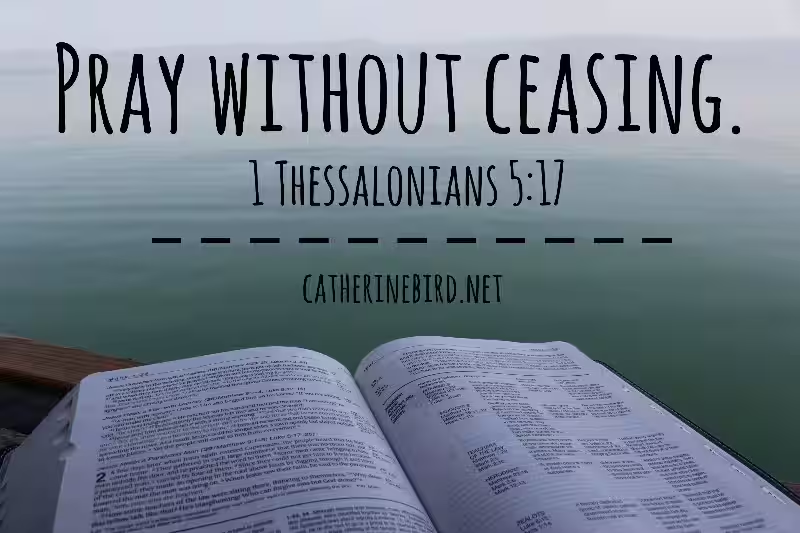
We all crave connection, a sense of belonging, and a profound sense of purpose. For many, this yearning leads us to ponder our relationship with a higher power. Finding fellowship with God isn’t about rigid rules or fleeting moments of inspiration; it’s a continuous journey of growth and understanding. This journey is deeply personal, taking shape in different ways for each individual. The most important aspect is the consistent effort and openness to cultivate this bond. This connection with God, whether described as a relationship, communion, or partnership, is one of the most powerful forces in life.
This journey is not a race, but rather a quest for deeper understanding. It requires vulnerability and a willingness to be open to God’s guidance. It’s about recognizing that God is present in our daily lives, not just in grand pronouncements or extraordinary circumstances. This intimate connection can be developed through quiet contemplation and prayer, actively listening to God’s whispers, and embracing our imperfections. This journey isn’t just about seeking answers, it’s about growing closer to God.
Fellowship with God is far more than just a concept; it’s a dynamic relationship. It’s a tapestry woven with threads of love, understanding, and trust. At its core, it rests on the recognition that we are not alone in our experiences. Imagine a profound conversation with a trusted friend—that intimate exchange mirrors the communion you can have with God. This connection fosters a sense of belonging and encourages us to embrace the good, the bad, and the in-between of life’s journey with greater openness.
It’s not about achieving perfection, but about striving towards it with God’s guidance. Think of it as a partnership where you recognize and accept God’s unwavering love and support, while simultaneously seeking to understand and respond to His will. Ultimately, it’s about embracing the journey of discovering and experiencing the presence of God in all aspects of your life.
How do we cultivate this vital connection? Several practices can nurture this fellowship. Firstly, prayer is a powerful tool. It’s not just about asking for things, but about opening your heart to God, sharing your joys and sorrows, and seeking understanding. Secondly, meditation or quiet contemplation allows space for reflection, to listen to the inner voice and hear God’s guidance. Thirdly, engaging in acts of service, whether volunteering time, offering support to others, or simply showing compassion, can profoundly deepen your connection with God. These actions demonstrate love and understanding, qualities essential in fostering a strong fellowship.
For example, volunteering at a local soup kitchen or simply offering a listening ear to a friend in need are powerful ways to connect with God; these acts of service are tangible expressions of fellowship. Studying religious scriptures, engaging in meaningful discussions with religious leaders or members, and participating in religious ceremonies, when aligned with your beliefs, can provide valuable guidance and support on this journey. By actively pursuing these paths, you create space for God to reveal and strengthen the bond of fellowship.
Overcoming Obstacles to Fellowship
Sometimes, life throws obstacles in our path, hindering our fellowship with God. Doubt, fear, and distractions can cloud our judgment and make it challenging to maintain a consistent connection. But it’s crucial to remember that these feelings are temporary. They don’t define your relationship with God. Acknowledge these feelings, but don’t let them consume you. Lean on your faith and seek guidance from trusted individuals or religious resources to navigate these challenges. It’s important to remember that God understands and supports your struggles.
For instance, if you feel distant from God, try engaging in a spiritual practice like prayer or meditation, seeking guidance from a mentor or spiritual advisor, or joining a faith-based community. These actions can help you reconnect to your source of faith and strengthen your fellowship with God. Remember that the path may not always be clear, but faith and perseverance can help you overcome any obstacle you encounter. These obstacles are part of the journey, not the end of it.
The Transformative Power of Fellowship
Cultivating fellowship with God is an incredible journey. It’s a transformative experience that can deepen your understanding of yourself and the world around you. This journey ultimately leads to a profound and lasting peace. It’s about embracing the imperfections of your human experience and seeking strength and guidance from God. This understanding leads to a greater appreciation, connection and wisdom that enriches every aspect of life.
This fellowship results in a more meaningful and fulfilling life. You’ll find yourself more patient, compassionate, and accepting. Your relationship with others will improve as the principles of love, understanding, and trust in God extend into your daily interactions. It’s a process of continuous growth, fostering a deeper sense of meaning and purpose in your life.
Frequently Asked Questions about Fellowship with God and Religion
What is fellowship with God?
Fellowship with God is a deep and intimate relationship with him, characterized by communication, trust, and love. It’s about knowing God personally and experiencing His presence in your life.
What is the role of religion in fellowship with God?
Religion can be a framework or structure that supports and guides a person’s relationship with God. However, the actual fellowship is a personal and spiritual experience that transcends religious practices.
Developing fellowship with God requires consistent prayer, studying scripture, and seeking opportunities to serve others. It involves actively listening to God’s voice and responding to His guidance.
What are some common obstacles to fellowship with God?
Common obstacles include pride, self-reliance, unforgiveness, and a lack of trust in God. These can hinder a person’s ability to have a close relationship with God.
How can I overcome these obstacles?
Overcoming these obstacles requires humility, confession of sins, seeking forgiveness, and actively working on personal growth. Seeking guidance from trusted spiritual mentors can also be helpful.
What does it mean to be religious, and how does that relate to fellowship?
Being religious involves adherence to specific beliefs, practices, and rituals associated with a particular faith tradition. A strong religious foundation can provide a framework for developing fellowship, but it doesn’t automatically guarantee it.
Can I have a relationship with God without being religious?
Yes, one can have a personal relationship with God without adhering to any organized religion. Faith and fellowship are not inherently tied to religious structures.
How do I know if I am truly having fellowship with God?
Signs of fellowship with God can include a sense of peace, joy, and a deep connection to something larger than oneself. It’s also manifested in a desire to live a life that honors God.
What if I feel disconnected from God?
Feeling disconnected from God is a common experience. Reaching out to trusted spiritual leaders, engaging in prayer and reflection, and seeking support from a community of faith can help reconnect.