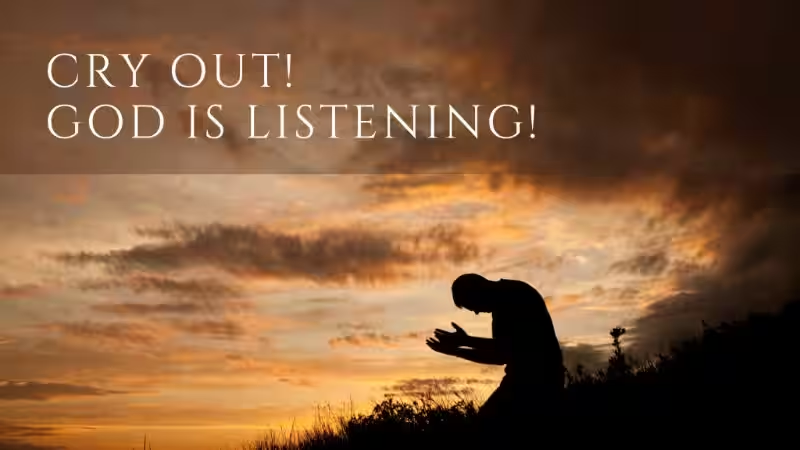
Throughout history, humans have turned to a higher power in times of need. Prayer, in its many forms, is a universal language, a testament to the human desire for connection and solace. Whether it’s a whispered plea, a fervent cry, or a heartfelt meditation, the act of “crying out to God” represents a profound yearning for guidance and support. This fundamental human need for faith, and the subsequent search for answers, is at the heart of many religions.
The act of reaching out to a higher power is often intertwined with a sense of vulnerability. It’s acknowledging that we are not self-sufficient, and in a profound way, it is a recognition of our own limitations. Seeking comfort in religious belief allows us to face life’s challenges with a renewed sense of hope. It’s about finding strength in the shared experiences of a community, whether in a quiet moment of reflection or in a vibrant gathering of worshippers. This feeling of community is a powerful force, a reminder that we are never alone in our struggles, and that “crying out to God” can unite us in a shared search for meaning and purpose.
Prayer isn’t simply a ritualistic act; it’s a profound connection to something larger than ourselves. It’s a way to express our gratitude, our fears, and our hopes. Many traditions emphasize the importance of listening to God’s responses in the quiet moments and events of our lives. Whether praying for healing, for guidance, or simply for connection, the act of “crying out to God” is a vital part of navigating life’s complexities, and a way to find solace and strength.
For instance, imagine a student facing a difficult exam. They might “cry out to God” for help, praying for clarity of thought and the strength to succeed. Alternatively, one might “cry out to God” for guidance on a career path, for inspiration in navigating a difficult relationship, or for strength in times of illness. Prayer varies significantly between different religions but always involves a similar underlying desire for comfort and strength in difficult times.
Different Paths to Spiritual Connection
Religions offer a multitude of paths to spiritual connection. Different faiths have unique approaches to prayer, worship, and spiritual practices. Some religions emphasize communal worship, while others encourage individual reflection. Understanding these differences is essential to appreciating the rich tapestry of human spirituality. Consider the following examples:
Christianity: Prayer is central to Christian life, with practices like the Lord’s Prayer and personal supplication. A Christian might “cry out to God” for forgiveness, for strength, or for guidance in their daily lives.
Islam: Muslims engage in daily prayers, known as Salat, and believe in direct communication with God. They might “cry out to God” for blessings, for protection, and for a fulfilling life.
Buddhism: Buddhist practices focus on meditation and mindfulness, emphasizing inner peace and understanding. Someone practicing Buddhism might “cry out to God” (or a higher power) for inner peace and understanding in their life.
These are just a few examples, and each faith has its own unique approach to “crying out to God.” Exploring these different traditions provides a deeper understanding of the universal human need for connection and meaning. No matter the path, the desire to “cry out to God” is powerful, driving people to find comfort, guidance, and strength in their spiritual journey.
Religion offers a framework for understanding the world and our place in it. This understanding can provide a sense of meaning and purpose, particularly during times of adversity or uncertainty. This is especially important when “crying out to God” for help or healing. It’s about finding strength and direction in a world that can often feel chaotic or overwhelming. Finding solace and direction in faith can be a powerful force for those who are struggling.
Ultimately, “crying out to God” represents a profound human experience. This connection to a higher power, whether through prayer, meditation, or communal worship, can offer solace, strength, and a path to spiritual growth. This is especially true when we are navigating difficult situations and need comfort or healing. This journey is unique to each individual and depends on different belief systems and practices. Recognizing this universal human experience, and the various paths to connect with spirituality, fosters tolerance and understanding across diverse communities.
Frequently Asked Questions
Why did I cry out to God?
People cry out to God for a variety of reasons, including seeking guidance, comfort, help during difficult times, expressing gratitude, or simply wanting to connect with something larger than themselves. The reasons are deeply personal and vary greatly depending on individual beliefs and experiences.
What does religion mean to people?
Religion provides a framework for understanding the world, our place in it, and our relationship with something greater than ourselves. It offers a system of beliefs, values, and practices that can bring meaning, purpose, and community to people’s lives. Different religions offer different perspectives on these concepts.
How can I find answers to my questions about religion?
Exploring religious texts, engaging in conversations with religious leaders or members of your community, and reflecting on your personal experiences can help you find answers that resonate with you. There are also many resources available online and in libraries.
What if I don’t believe in religion?
That’s perfectly acceptable. Many people find meaning and purpose in life without adhering to a specific religion. There are various philosophical and ethical frameworks that can provide guidance and support in navigating life’s complexities.
How do I cope with doubts about my faith?
Experiencing doubts is a common human experience, regardless of whether you’re religious or not. Exploring your feelings, seeking support from trusted individuals, and engaging in self-reflection can be helpful in addressing these doubts. There may be resources available from your religious community, or secular resources that can assist in processing doubts.