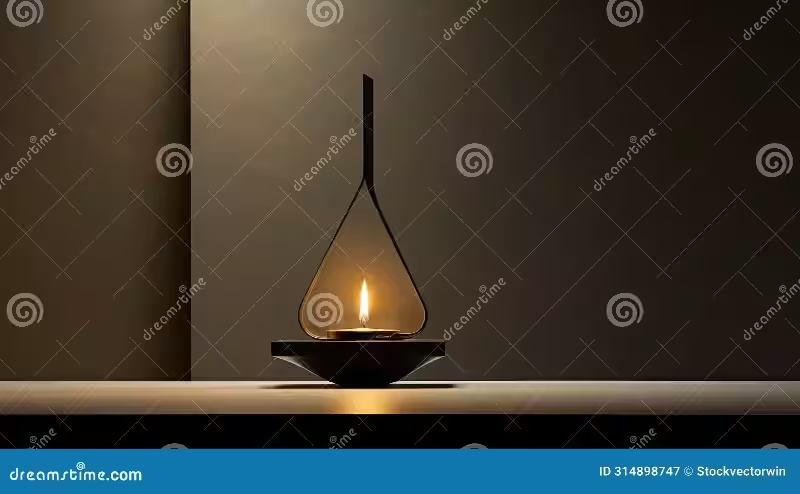
The flickering flame of a lamp, a familiar image across cultures and time, takes on a profound significance in the context of the Bible. More than just a source of light, biblical lamps symbolize spiritual guidance, hope, and the divine presence. Their delicate construction and careful tending represent the human need for devotion and vigilance in faith. This article dives into the rich symbolism and practical implications of these ancient light sources, exploring how they continue to resonate with believers today.
Beyond their practical function, lamps in the Bible often hold symbolic weight. Imagine carrying a small, flickering lamp in the darkness. This simple act of carrying light becomes a metaphor for the Christian journey. We, like those who carried lamps in the Bible, are called to shine our faith in a world often shrouded in doubt and darkness. Specific types of lamps, like the seven-branched menorah or the simple oil lamps used in daily life, each offered a unique message of faith. Understanding these symbols allows us to interpret the Bible’s messages with a deeper appreciation.
The menorah, a seven-branched candelabra, is perhaps the most recognized biblical lamp. Frequently appearing in depictions of the Jewish temple, it is a potent symbol of divine presence and guidance. Each branch represents a specific aspect of God’s character or a particular Jewish value. Think of the menorah as a living embodiment of the divine light – a powerful reminder that God’s presence illuminates our lives.
The intricate design and meticulous construction of the menorah underscore the importance of attention to detail in our faith. The act of tending the lamp, ensuring the flame burns brightly, can be compared to our responsibility to cultivate our own spiritual lives. These practical aspects of the menorah provide a framework for spiritual development. By understanding its symbolism, readers can appreciate the deep meaning embedded within its design and use.
Oil Lamps and Daily Life in the Bible
Simple oil lamps, integral parts of daily life in biblical times, also hold significance. These lamps, often made of clay or metal, provided essential illumination in homes and communities. Their constant upkeep, the careful tending of the flame, mirrors the consistent effort required for a strong faith. Think about the daily rituals of filling the lamp with oil – this act became a tangible reminder of the need for spiritual sustenance. The importance of daily spiritual practice is highlighted in these everyday representations of faith.
The daily act of lighting and tending an oil lamp could represent a number of things, including the ongoing need for God’s grace and the importance of keeping faith alight. These simple actions, common in daily life, became rich with meaning for those who understood the symbolism. Like the lamp, our faith needs constant nurturing through prayer, study, and community involvement. These rituals, similar to lighting a lamp, help keep our spirits bright, so we are ready to encounter obstacles and challenges.
The Continuing Relevance of Biblical Lamps
The symbolism of biblical lamps extends beyond the historical context. The eternal flame represents an indomitable spiritual strength – a guiding light that keeps us moving forward in our faith. Modern believers can relate to this idea of carrying a small flame of hope through difficult times. Just as the lamp provides illumination, our faith becomes a beacon for those around us. We are called to maintain a steadfast faith and allow it to illuminate as a guide.
Ultimately, the biblical lamp serves as a powerful reminder of the importance of faith and spiritual vigilance. By understanding the symbolic meaning of these ancient light sources, we gain a deeper appreciation for the enduring power of faith and how it can illuminate our lives. In a world often shrouded in darkness, the flames of faith serve as powerful reminders of hope and the divine presence. Just as tending a lamp requires constant attention, our spiritual growth requires consistent effort and devotion.
Frequently Asked Questions
What is a biblical lamp?
A biblical lamp typically refers to a lamp used in ancient Jewish or Christian contexts, often described in scripture. These lamps varied in design and materials, but frequently featured a central wick holder and a vessel to hold oil.
What are some examples of biblical lamps?
The Menorah, a seven-branched candelabra, is a prominent example. Other lamps, often simpler, are also mentioned in the Bible.
What is the religious significance of lamps in the Bible?
Lamps in the Bible often symbolize light, guidance, and the presence of God. They can also represent hope, protection, and the importance of illuminating one’s path.
How are lamps used in modern religious practice?
While not as central as in ancient times, lamps continue to be used in some religious contexts today. They may be used for symbolic purposes, to create a specific ambiance, and for devotional practices.
Are there different types of lamps for different religions?
While not exclusive to any one religion, lamps hold varying symbolic meanings across different faiths. For example, some lamps might be significant in certain aspects of Hinduism, Islam or other faiths. Religious lamps are often used depending on the specific religious traditions.