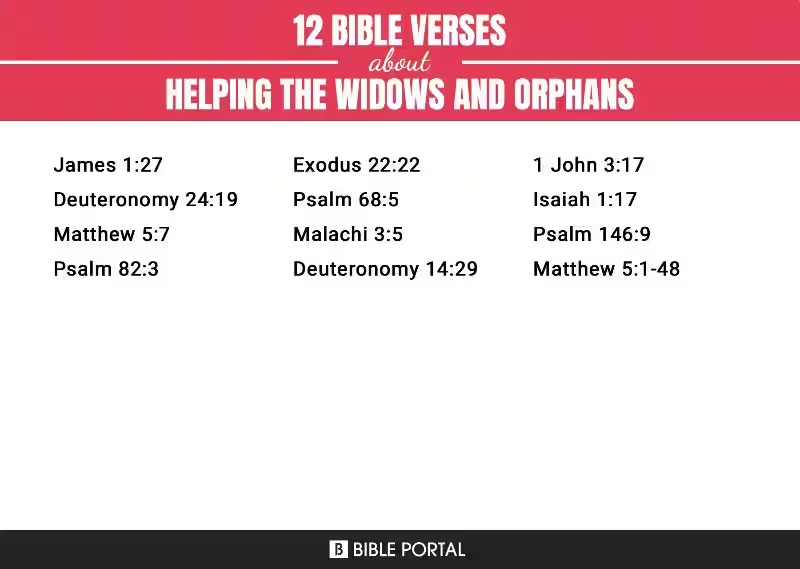
The concept of a Bible widow transcends mere historical context; it delves into the complexities of religious tradition, social structures, and individual faith. Understanding the biblical widow not only sheds light on the past but also offers valuable insights into modern-day challenges and connections to the divine.
The Bible’s portrayal of widows is multifaceted, painting a picture of both hardship and resilience. These women, often financially vulnerable and socially marginalized, frequently faced significant practical and emotional struggles. These struggles, however, were often entwined with spiritual experiences and profound relationships with God. For example, Ruth’s devotion to her mother-in-law Naomi in the book of Ruth offers a powerful testament to loyalty, faith, and the power of community.
The Social and Economic Realities of the Biblical Widow
Biblical widows often found themselves in precarious economic situations. A patriarchal society often left them with limited options for support. Limited inheritance rights and lack of economic independence were significant factors influencing their lives. This reality reveals a significant contrast with the lives of many women today. For instance, many widows today have access to support networks, financial resources, and legal protection.
Moreover, their social standing was often diminished. They might face stigma or ostracism within their communities. These realities highlight the importance of empathy and understanding when considering the lives of biblical widows. This era’s societal nuances, encompassing limited resources and social standing, dramatically shaped their experiences and the wisdom gleaned from their stories.
The Biblical Widow and Divine Provision
Despite the challenging circumstances, the Bible frequently portrays God as a source of strength and provision for widows. Stories such as the widow’s oil and the widow of Zarephath demonstrate God’s unwavering care and compassion. These narratives often highlight themes of hope, perseverance, and divine intervention in the face of adversity. This contrasts with the experiences of many modern-day widows who depend on their personal resilience and the support of family and friends.
These stories offer crucial lessons about trusting in God’s providence. In addition, they encourage readers to appreciate the power of community support. They highlight the importance of recognizing and alleviating the vulnerabilities of those in need. For example, recognizing and resolving the economic struggles of widows can be a crucial step toward a more just society.
The Role of the Widow in Religious Practice
Biblical widows were not simply passive recipients of divine care. Many played active roles in religious life. For instance, the Bible often depicts them as engaged in prayer, worship, and seeking guidance from God. Their devotion, often in the face of hardship, highlighted the unwavering depth of faith. Furthermore, they often served as models of steadfast faith, providing inspiration to those around them. This is demonstrated in stories like the widow of Nain.
These examples of widows’ faith serve as reminders of the vital role that individuals can play in religious communities, even when facing adversity. They showcase the importance of personal faith and devotion. Ultimately, their stories serve as a powerful reminder that faith, resilience, and community support can overcome adversity. These roles are often overlooked in modern society.
Modern Parallels and Lessons
The biblical widow’s narrative continues to resonate today. Many women worldwide face similar challenges, including financial insecurity, social isolation, and the need for community support. The biblical stories offer a framework for understanding and responding to these issues. These lessons can also be applied in modern-day contexts to advocate for policies and practices that offer support and resources to widows.
Examining the experiences of biblical widows offers valuable insights for navigating similar challenges in our own time. It emphasizes the importance of compassion, empathy, and practical support for those facing difficult circumstances. For example, establishing support networks and providing financial assistance can provide real-world applications of these biblical principles.
Conclusion: A Lasting Legacy
The biblical widow’s story is a powerful testament to human resilience, faith, and the enduring power of divine intervention. Their struggles and triumphs highlight the multifaceted nature of faith and the importance of supporting those in need. These stories provide a timeless guide for fostering empathy and understanding in our own lives. Moreover, their experiences challenge us to reflect on how we support those who face similar challenges today.
Ultimately, the stories of biblical widows provide a compelling narrative that transcends time. Studying them enables us to understand the universality of human experience and the enduring power of faith in the face of adversity. Furthermore, this understanding provides a powerful framework for promoting justice, compassion, and support for individuals facing hardship. Ultimately, the narratives of these women offer valuable lessons for living with faith and resilience.
Frequently Asked Questions about Bible Widows and Religion
What does the Bible say about widows?
The Bible contains numerous references to widows, often highlighting their vulnerability and the importance of caring for them. Different passages emphasize different aspects, including practical support, spiritual guidance, and social justice.
What are the roles of widows in religious communities?
Widows often played a significant role in their communities, serving as examples of faith, resilience, and devotion. Their experiences highlight the importance of both individual and communal support within religious contexts.
How does religion address the financial struggles of widows?
Religious communities often have traditions and practices to support widows financially, offering aid and guidance in navigating economic hardship. These practices vary across different denominations and cultures.
Are there specific religious guidelines for widows’ remarriage?
Religious views on remarriage vary, often depending on the specific faith tradition and cultural context. Some encourage widows to remarry, while others may place restrictions or offer specific guidance based on scripture and tradition.
How do different religions view the spiritual journey of a widow?
Various religions offer different perspectives on how widows can navigate their spiritual journey following the loss of a spouse. Some emphasize the opportunity for personal growth and deepening faith, while others focus on communal support and remembrance.
How are widows portrayed in different religious texts?
Portrayals of widows in religious texts often vary. Some portray them as strong figures of faith, while others highlight their vulnerability and need for support. These portrayals reflect the diverse experiences and challenges faced by widows within different societies and time periods.