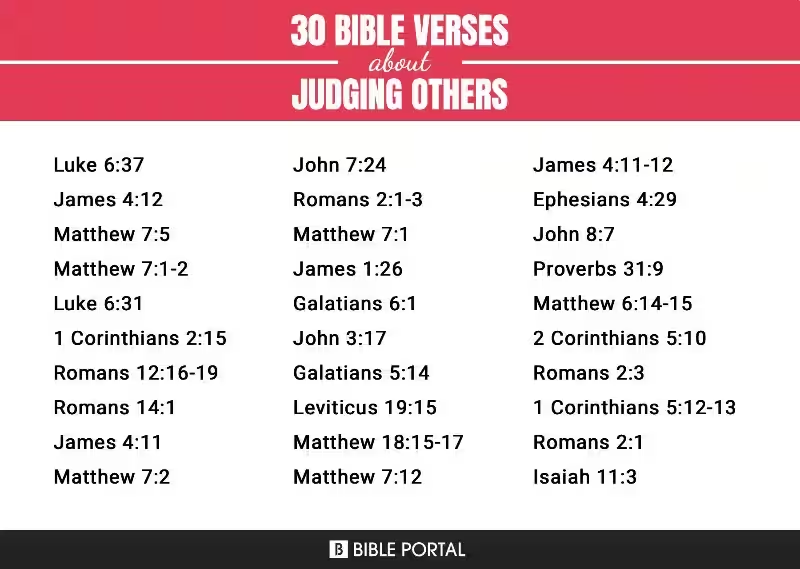
The human tendency to judge others is deeply ingrained. We often find ourselves evaluating others’ actions, beliefs, and lifestyles based on our own perspectives and experiences. This impulse can stem from a desire for understanding, a need for order, or even a fear of the unknown. Understanding how the Bible addresses this human inclination is crucial for personal growth and healthy relationships. It offers guidance on navigating this often-tricky territory.
The Bible frequently addresses the concept of judgment, emphasizing the importance of self-reflection and humility. It encourages us to focus on our own imperfections and shortcomings before scrutinizing others. Consider the message in Matthew 7:1-5: “Do not judge, or you too will be judged. For in the same way you judge others, you will be judged, and with the measure you use, it will be measured to you. Why do you look at the speck of sawdust in your brother’s eye and pay no attention to the plank in your own eye? How can you say to your brother, ‘Let me take the speck out of your eye,’ when all the while there is a plank in your own eye? You hypocrite, first take the plank out of your own eye, and then you will see clearly to remove the speck from your brother’s eye.” This passage highlights a crucial point: our focus should be on personal growth rather than criticizing others’ flaws.
Judging others, especially harshly, can create a variety of negative consequences. It breeds animosity and fuels conflict, often poisoning relationships. Imagine a workplace where colleagues constantly criticize each other’s work styles or personal choices. This can lead to a toxic environment, hindering productivity and fostering resentment. It can also impede personal growth. When we are constantly judging others, we miss opportunities for self-improvement and understanding. We are less likely to see our own blind spots and biases.
Furthermore, judging others often stems from unconscious biases and prejudices. These biases can be rooted in societal influences, personal experiences, or cultural background. By recognizing these prejudices, we can begin to challenge our own assumptions and cultivate empathy. Our judgments can be based on incomplete information, creating misconceptions. A single interaction or perceived action can lead to a negative judgment without the full context. For instance, a student’s quiet demeanor in class could be misconstrued as uninterested, when in reality, they might be deep in thought about the material.
The Bible’s Emphasis on Compassion and Forgiveness
In stark contrast to judgment, the Bible emphasizes the importance of compassion, forgiveness, and understanding. The teachings of Jesus, particularly, highlight the need to treat others with kindness and mercy. Consider Jesus’ parables, where compassion and love toward the marginalized and vulnerable are central themes. Forgiveness is another crucial aspect of the biblical message. We are called to forgive others as we ourselves have been forgiven by God. This concept of forgiveness, as outlined in passages such as Matthew 6:14-15 is an act of self-care, allowing us to move forward from hurt and resentment instead of dwelling on the past.
The Bible’s emphasis on love, empathy, and compassion is a powerful antidote to the tendency to judge. Proverbs 19:11 says, “Wisdom and discipline are the foundations of justice and integrity; they’re the heart of your faith.” Learning to practice patience and understanding can significantly improve our interpersonal relationships. Developing empathy, the ability to understand another person’s perspective, creates a bridge between people. For instance, if someone makes a mistake at work, rather than judging them harshly, understanding the situation from their point of view is more important than issuing criticism. By focusing on empathy and compassion, we foster a more inclusive and forgiving society.
Practical Steps for Overcoming Judgmental Tendencies
Shifting from judgment to compassion requires conscious effort and consistent self-reflection. We can start by practicing active listening and asking questions to truly understand the other person’s perspective. We should also actively monitor our own thoughts and feelings. Note the triggers that make us prone to judgment and actively resist those impulses. Recognizing our biases and prejudices is vital. Remember the words of James 4:12, “For there is only one Lawgiver and Judge, the one who is able to save and destroy.” This emphasizes that God is the ultimate judge and reminds us that we should focus on our own faith and relationship with God rather than judging others.
Furthermore, practicing gratitude and focusing on our own strengths can help us shift our focus away from others’ perceived flaws. Consider the power of forgiveness. Forgiving those who have wronged us and recognizing their human fallibility is often more beneficial than harboring resentment. Meditation and mindfulness can help us develop self-awareness and control our reactions. Ultimately, judging others is a part of being human, but by deliberately choosing compassion over criticism, we can create more positive and fulfilling relationships while cultivating a more empathetic way of life.
Frequently Asked Questions
What does the Bible say about judging others?
The Bible contains various verses that address judging others. Some passages warn against judging others harshly or condemning them without proper understanding. Other passages emphasize the importance of judging actions and behaviors according to God’s standards and principles. The key is discerning between judging with condemnation and judging with the intent to help and guide.
Religion is a belief system and practice that often centers on a deity, a set of moral values, and spiritual practices. Different religions vary considerably in their beliefs and practices, but they often involve rituals, ceremonies, and community involvement. Religions also often offer explanations about the meaning of life, existence, and death.