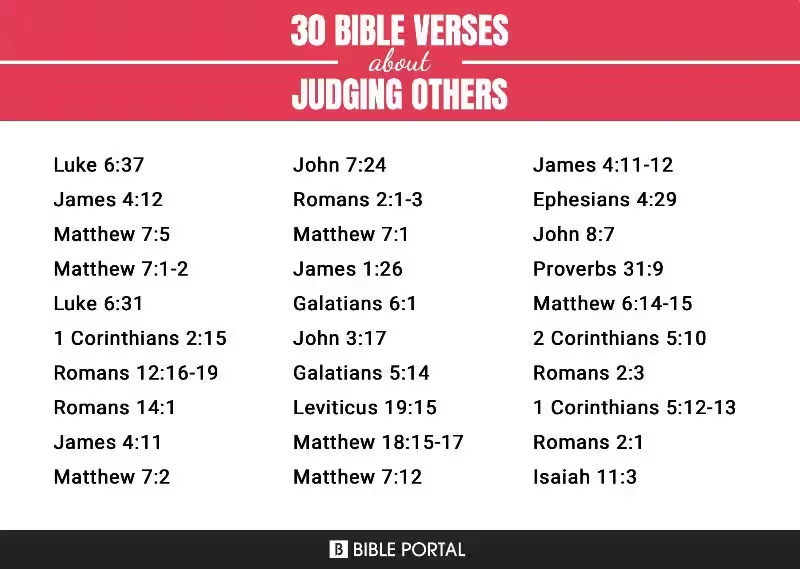
We all judge. It’s a fundamental aspect of human interaction. We assess situations, people, and behaviors constantly. But what does the Bible say about judging? Is judging inherently wrong, or are there nuanced perspectives to consider? Understanding the biblical approach to judgment can offer valuable insights into our own interactions and relationships.
The Bible doesn’t offer a simple “yes” or “no” answer. Instead, it presents a multifaceted view, emphasizing love, compassion, and humility alongside the importance of righteous discernment. Righteous judgment, as portrayed in the scriptures, is not about condemnation, but about seeking justice and truth. The crucial difference lies in the intention and motivation behind the judgment.
The Dangers of Condemnation and the Power of Compassion
The Bible warns against the dangers of judging others with condemnation and harshness. “Judge not, that ye be not judged” (Matthew 7:1) is a powerful reminder to avoid the pitfalls of instant criticism. This verse urges us to focus on our own flaws before pointing fingers at others. Think about it – judging someone solely based on their perceived shortcomings can quickly lead to resentment, conflict, and strained relationships. It is not a sign of strength, but often a sign of weakness when we lack the self-awareness to see our own flaws.
Instead, the Bible emphasizes the importance of compassion and understanding. “Bear ye one another’s burdens, and so fulfil the law of Christ” (Galatians 6:2). This passage encourages us to support and uplift those around us, especially those struggling. Consider a friend facing a difficult challenge; offering kindness and support is far more fruitful than passing judgment. An active listening approach, empathy, and gentle guidance are often more powerful tools than accusations.
The Bible distinguishes between judging actions and judging character. Judging actions can be a necessary part of discerning right from wrong. If someone is engaging in harmful behavior, such as stealing or violence, it’s appropriate to call it out. We could consider this righteous judgment within the context of upholding societal structures. However, judging character is a far more delicate matter. “Who are you to judge another’s servant? To his own master he stands or falls. And he will stand, for the Lord is able to make him stand” (Romans 14:4). This verse emphasizes the importance of personal responsibility and the limitations of our perspective.
A practical example: witnessing a neighbor mistreating their pet. You can address the action by providing resources to improve their pet-care practices, rather than criticizing their character. There is a significant difference between recognizing wrongdoing and assuming the worst intentions. This distinction is crucial for maintaining healthy relationships and promoting a more compassionate community.
Biblical Principles for Healthy Judgment
The Bible offers several crucial principles for navigating the process of judging:
Self-reflection: Examine your own motivations and biases first. Are your judgments influenced by pride, fear, or personal agendas?
Love and compassion: “Love is patient, love is kind. It does not envy, it does not boast, it is not proud” (1 Corinthians 13:4). Compassionate judgment is rooted in love.
Humility: Recognize your limitations and the complexities of human experience. “For we are all in a way flawed” (Romans 3:23). This verse highlights our common humanity and the importance of avoiding overly harsh judgment.
Seeking understanding: Attempt to understand the other person’s perspective and motivations behind their actions. Ask questions. Don’t assume. This approach encourages empathy, and is often more effective than condemnation.
Applying these principles can foster stronger relationships, resolve conflicts more effectively, and cultivate a more compassionate environment. Ultimately, the Bible calls us to act with wisdom, discernment, and love when approaching judgment.
Conclusion: A Call to Compassionate Action
Judging others, according to the bible, is a complex issue. It is not simply about avoiding judgment at all costs, but about the manner and motive behind our assessments. Understanding the nuances of biblical teachings on judging can illuminate our own interactions and guide us towards more thoughtful and compassionate actions. We are called to be instruments of reconciliation, not condemnation. By focusing on love, understanding, and humility, we can navigate the complexities of human relationships with greater wisdom and grace.
Ultimately, the Bible’s perspective on judging urges us to prioritize self-reflection, compassion, and understanding. When we approach others with these qualities, we are better equipped to make judgments that promote well-being and contribute positively to the world around us. Let us strive to be agents of positive change, rather than mere critics.
Frequently Asked Questions
What are Bible judging quotes?
Bible judging quotes are phrases or passages from the Bible that are often used to justify critical or judgmental attitudes towards individuals or groups. These quotes are frequently interpreted selectively and out of context, often leading to misapplication and misunderstanding of biblical teachings.
What is the role of religion in judging others?
Many religions encourage compassion, forgiveness, and love for others. Judgment, if present, is often directed toward actions rather than towards individuals. Religious teachings generally promote understanding, not condemnation. However, misinterpretations of religious texts or personal biases can lead to misapplication and prejudice.