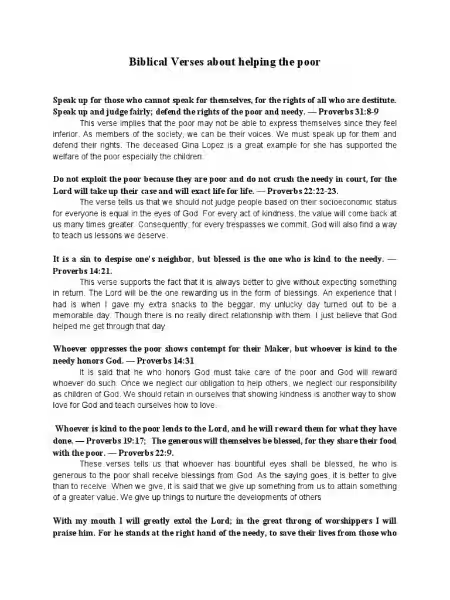
The concept of alms in the Bible goes far beyond a simple donation. It’s a powerful expression of faith, a demonstration of love for one’s neighbor, and a crucial component of a righteous life. Understanding the biblical perspective on alms allows us to apply these principles in our own lives, fostering compassion and contributing to a more just society.
The Old Testament frequently emphasizes the importance of caring for the vulnerable and the poor. Giving alms is presented not as a mere act of charity but as an integral part of following God’s commandments. Deuteronomy, for instance, emphasizes the need for justice and compassion towards the marginalized, highlighting the importance of caring for the needy and the widows. These passages underscore the unbreakable link between faith and social responsibility. This wasn’t just about handing out food; it was about addressing systemic issues and ensuring everyone had their basic needs met.
The New Testament further reinforces the importance of alms, connecting it to spiritual growth and righteousness. Jesus often used the plight of the poor and marginalized as a lens through which to teach about the kingdom of God. Jesus’ teachings emphasize compassion for those in need, highlighting the importance of seeing the divine image in every individual. Acts of giving, like giving to those in need or the poor, are presented as a direct reflection of following Christ’s example. A key takeaway here is that giving alms is not just about material things; it’s about demonstrating love and empathy.
The importance of alms in the New Testament is evident in numerous parables. For example, the parable of the Good Samaritan highlights the need to help the suffering, regardless of social standing. The Samaritan, an outsider, exemplifies selflessness and compassion, demonstrating that true faith involves action and a deep concern for others. The parable of the talents further emphasizes the responsibility to utilize one’s resources for the greater good. Recognizing the connection between alms and spiritual growth is crucial for a truly fulfilling Christian life.
Throughout the Bible, we see numerous examples of alms being practiced by various characters. Abraham, for instance, was known for his generosity, exemplified by his willingness to provide for strangers and those in need. This generosity was fueled by deep faith and a profound understanding of God’s presence in all aspects of life. Another example is Ruth, who demonstrated unwavering loyalty and care for her mother-in-law, Naomi, during a time of great hardship. This act of compassion directly demonstrates the practical application of alms in a personal context.
We see numerous instances of alms being given through various means, such as providing food, shelter, and clothing. Consider the example of the disciples, who shared their resources and supported those who were in need. These actions demonstrate how giving alms can contribute to a community spirit of support and unity. We also see alms being a form of worship, a way of honoring God by serving his creation. These biblical examples show that alms is not just a religious duty but a spiritual practice that connects us to God and to our fellow humans.
The Importance of Motivation in Alms Giving
Beyond the act of giving, the Bible emphasizes the importance of the heart behind it. Motivation is crucial. Jesus frequently cautioned against giving alms for outward show or recognition. Genuine alms proceed from a place of love, compassion, and humility. A key point to keep in mind is that almsgiving should not be driven by external pressures or desires for acclaim. Instead, it should stem from a deep-seated desire to help those in need and to follow God’s example. True motivation focuses on the needs of others, and not on personal gain or recognition.
Examples of this include: giving anonymously, helping without expecting anything in return, and finding creative ways to support those in need, regardless of their background. Giving should never be about the applause, but rather, about providing a helping hand. Alms should reflect a desire to be instruments of God’s love and compassion in the world.
Conclusion: Alms as a Cornerstone of Faith
In conclusion, bible alms are not merely about monetary donations; they represent a profound commitment to compassion, empathy, and social justice. By studying the biblical perspective on alms, we can gain a deeper understanding of our spiritual responsibilities and develop a more meaningful connection with our faith. Practicing alms is about more than just donating; it’s a way of life that deeply connects us to both God and those in need. It’s a testament to faith in action.
Ultimately, alms giving is a crucial aspect of a vibrant and fulfilling faith, enabling us to embody the teachings of Jesus Christ and to make a positive impact on the world. By following biblical examples and emphasizing the heart behind our actions, we can transform our alms giving into a powerful demonstration of love, offering support, and creating a much better world around us. It’s about more than just giving; it’s about being a compassionate instrument of God’s love. This act of faith is essential as it encourages empathy, strengthens our communities, and promotes a more just world.
Frequently Asked Questions
What is the concept of alms in the Bible?
Alms, in the Bible, refers to charitable giving, typically to the poor and needy. It’s a significant aspect of many religious teachings, emphasizing compassion and care for those less fortunate.
Numerous instances exist throughout the Bible. Parables like the Good Samaritan and the parable of the talents highlight the importance of helping those in need. There are also historical accounts of individuals, like the widow who gave her last two mites, demonstrating the spirit of charitable giving.
How is alms-giving linked to salvation or religious merit in different religions?
While the specific emphasis and methodology vary across religions, many incorporate acts of charity as integral to spiritual growth and connection with the divine. The concept of helping others is often seen as a path towards spiritual fulfillment.
What are some common misconceptions about alms-giving?
Misconceptions include the idea that alms-giving is solely about material wealth, or that it necessitates a particular religious affiliation or practice. In reality, acts of kindness and compassion towards any needy person are considered a form of alms-giving.
How can I practice alms-giving in my daily life?
Alms-giving extends beyond monetary contributions. It encompasses acts of kindness, empathy, and support for those around you. This can include volunteering time, offering emotional support, or simply being a compassionate listener.
Are there specific biblical verses or passages that address alms-giving?
Numerous verses across the Old and New Testaments touch upon the importance of charity and generosity. Examples include Deuteronomy 15:4, Matthew 6:2-4, and Luke 12:33. These passages emphasize the importance of giving freely and without ostentation.