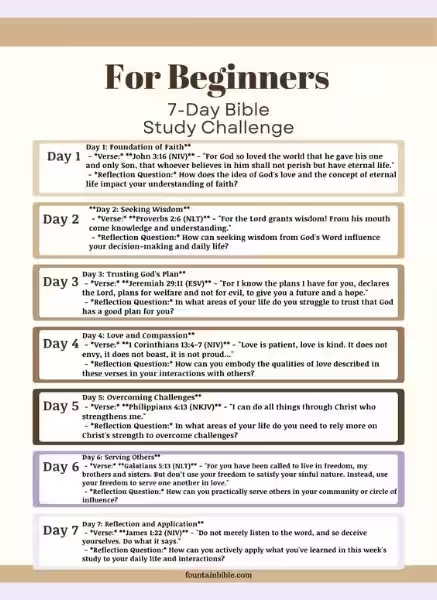
We all crave connection, understanding, and a deeper relationship with something larger than ourselves. For many, that connection is found in faith and the study of religious texts. The Bible, for example, offers wisdom, guidance, and a rich tapestry of stories, but sometimes, the sheer volume and complexity can feel daunting. This guide aims to demystify the process of studying the scriptures, making it accessible and personally enriching. Start by choosing a passage or verse that resonates with you. “Study the scriptures,” it says, but how do we really do that?
Approaching scripture with a receptive heart is crucial. This isn’t just about memorization or simply reading the words. It’s about engaging with the text on a deeper level – exploring its historical context, understanding its message, and reflecting on its relevance to your own life. Consider the time and place in which the text was written. Understanding the circumstances surrounding the author and the intended audience can significantly enhance your comprehension. For example, if you read a passage from the Old Testament, understanding the social and political climate of the time can illuminate the meaning behind the words. “Study the scriptures” often means delving deeper than just the surface.
Understanding the Various Approaches to Scripture Study
There are many different ways to approach scripture study. It’s important to find a method that works for you. Some popular approaches include historical-critical analysis, which examines the historical and literary context of the text. Theological reflection delves into the principles and doctrines revealed in the scriptures. Personal devotional reading involves a more contemplative and introspective approach, focusing on personal application. “Study the scriptures,” can mean different things to different people, which is why finding a method that resonates is vital.
Consider these approaches to your scripture study: looking for recurring themes, symbols, and figures of speech. For example, in the Bible, water often represents cleansing or life. Understanding these significant symbols can add another layer to your understanding. By exploring these various approaches, you can gain profound insight into the message the text conveys, and personally understand and relate to “Study the scriptures,”. Consider the various disciplines to get more out of your scripture study. For example, if you read a story about healing, take some time to reflect on the concept of healing in different aspects of your life.
Practical Steps for Effective Scripture Study
To make your scripture study more productive, follow these steps: Start with a specific question or theme. What are you hoping to gain from studying this particular passage? Ask yourself questions like, “What is the central message of this text?” or “How can I apply this principle to my life?” Note down key words or phrases that stand out to you. These important words or phrases can act as a roadmap during your study. This is very helpful for “study the scriptures.” Develop your own list of questions to help you gain further insight and understanding.
Creating a dedicated space for your study can be extremely helpful. A quiet, comfortable environment can foster a deeper connection with the text. Use study tools such as commentaries, concordances, and dictionaries. These tools can provide additional context, historical background, and insight to help you better understand the passage. Don’t be afraid to compare scripture with scripture to gain a more comprehensive understanding. Reference other verses or passages that relate to the one you are studying. This will broaden your perspective on the text and help you glean its fuller meaning. You will find that “Study the scriptures,” is a journey of discovery and growth.
The goal of scripture study isn’t just to understand the words; it’s to apply them to your daily life. Reflect on how the message resonates with your experiences and challenges. How can you live out the principles outlined in the text? Consider a specific situation in your life and ask yourself how this particular scripture can help you navigate it. Use the insights gained to make decisions or take action in a more meaningful way. A great example is how the story of forgiveness in the Bible can help someone to understand their own feelings of hurt and anger and provide them with a path forward. “Study the scriptures” is a valuable tool for applying these principles to practical life.
Take time to journal your reflections on the scriptures. Write down your thoughts and feelings about the text. This helps to solidify your understanding and personal connection with the passage. Then, consider how the message might impact others and if there’s anything you need to do to help them. It’s an ongoing process of insight and application, of finding value in “Study the scriptures,” and reflecting on how this process helps make your daily life more meaningful. The beauty of studying the scriptures is that it’s a journey of growth and transformation.
Frequently Asked Questions
What does “study the scriptures” mean?
Studying the scriptures involves engaging with religious texts, such as the Bible, Quran, or Torah, to understand their teachings, history, and cultural context. This can involve reading, reflecting, discussing, and applying the principles found within these texts to one’s life.
Scriptures are sacred texts that are considered divinely inspired or authoritative by a particular religion. They often contain stories, laws, prophecies, and teachings that guide believers in their faith and understanding of the world.
Why is studying scriptures important?
Studying scriptures can deepen one’s understanding of their religion, foster spiritual growth, and provide guidance for ethical living. It can also connect individuals to a community and history.
How should I study scriptures?
The best approach is to use various methods, such as reading the text carefully, meditating on its meaning, comparing different interpretations, and seeking guidance from religious leaders or scholars. Finding a community to study with can also be beneficial.
What are some common challenges in studying scriptures?
Challenges can include understanding the historical and cultural context of the text, interpreting figurative language, and reconciling seemingly contradictory passages. Difficulty understanding the language the scriptures were written in can also be a problem for some.
Can different religions have the same scriptures?
No. Different religions have different sacred texts. While some texts might share stories or themes, they are typically interpreted and applied differently within each tradition.
How can I find resources to help me study scriptures?
Many resources are available, including commentaries, study guides, online resources, and religious leaders. Libraries and bookstores may also offer relevant materials.