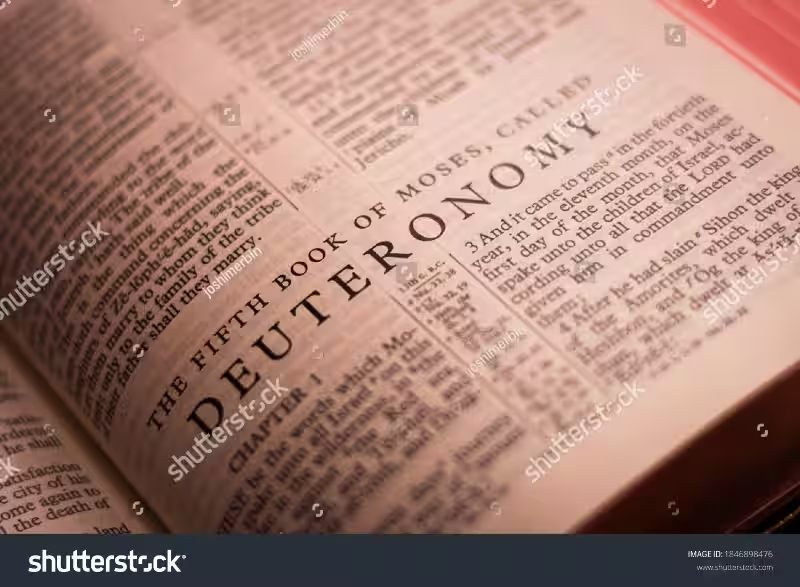
Navigating the complexities of relationships, especially when facing the difficult decision of divorce, can be incredibly challenging. Understanding the biblical perspective on divorce can provide valuable insights and a framework for navigating this emotional and often morally perplexing situation. Different interpretations of biblical texts regarding divorce exist, leading to diverse perspectives within various religious traditions. This article explores the multifaceted nature of “el divorcio biblia” (divorce in the Bible) and its impact on individuals and communities.
Many individuals seeking guidance turn to religious texts for solace and direction, and the Bible is no exception. However, interpreting biblical passages regarding divorce requires careful consideration of historical context and the evolving understanding of human relationships. It’s crucial to remember that the Bible’s teachings on divorce weren’t monolithic, evolving over time and differing across various books and eras. Examples of this evolution can be seen in the differing perspectives presented in the Old and New Testaments.
The Old Testament’s Perspective on El Divorcio Biblia
The Old Testament, particularly the Hebrew Scriptures, provides a nuanced view of divorce. Initially, divorce was permitted under specific circumstances, often related to a lack of affection or fulfillment within the marriage. Deuteronomy 24:1 offers a clear example of this, providing specific parameters for divorce. It’s important to remember that these were societal norms of the time, and the understanding of marriage and family life likely differed significantly from contemporary standards. This should be considered when interpreting these ancient texts.
Several factors contributed to the Old Testament’s perspective on divorce. Economic hardship, social pressure, and the cultural context of the time played a significant role in shaping the legal and social implications of divorce. In some cases, divorce was a practical measure to ensure the well-being of individuals and families. For instance, if a man found his wife to be barren, he might have grounds for divorce according to some interpretations. However, these interpretations are debated by various scholars and religious thinkers.
The New Testament’s Interpretation of El Divorcio Biblia
The New Testament, influenced by Jesus’ teachings, offers a different perspective on “el divorcio biblia.” While recognizing the Old Testament’s legal framework, Jesus emphasized the sanctity of marriage and the importance of unity. Jesus’ pronouncements in Matthew 19:9 are often cited as key to understanding the New Testament’s stance on divorce. These teachings often emphasize the concept of lasting commitment and the preservation of the marriage covenant. The emphasis shifted from permitted grounds to an ideal of unwavering commitment.
Different interpretations exist regarding Jesus’ statements. Some argue that Jesus’ teachings allowed for divorce only in cases of adultery. Others believe that Jesus’ broader message about the sacredness of marriage suggests an ideal that transcends the limitations of the older laws. The question of whether divorce should occur outside of cases of adultery remains a subject of debate among theologians and religious leaders. This crucial distinction between the Old and New Testaments on divorce is crucial to an understanding of the nuances in biblical interpretation.
The Impact of El Divorcio Biblia on Modern Life
The complexities of “el divorcio biblia” continue to resonate today, impacting individuals and religious communities. Understanding the historical context of biblical texts is critical to applying these teachings to contemporary situations. The Bible’s perspective on divorce offers a framework for reflection and guidance, but it doesn’t provide simple answers for modern dilemmas. Marriage counseling and interpersonal communication are often used to address issues within relationships that may lead to divorce, and in many cases, can avert the decision.
Personal beliefs and values are paramount in interpreting the Bible’s teachings on divorce. Seeking counsel from religious leaders or trusted advisors can provide additional support during this challenging time. Understanding the different interpretations of ‘el divorcio biblia’ is important for individuals to make informed decisions that align with their personal values and beliefs. A multifaceted approach, combining religious guidance, personal reflection, and professional advice, is often the most effective way to navigate such significant life decisions.
Frequently Asked Questions about Divorce in the Bible and Religion
What does the Bible say about divorce?
Different passages in the Bible offer varying perspectives on divorce. Some passages seem to allow divorce in certain circumstances, while others emphasize reconciliation. Interpretations vary among religious denominations.
What are the different interpretations of divorce in various religions?
Interpretations of biblical texts regarding divorce differ significantly across various religious denominations. Some emphasize the importance of forgiveness and reconciliation, while others place more emphasis on legal separation or the severity of certain transgressions.
Is divorce a sin according to the Bible?
The Bible doesn’t definitively label divorce as a sin in all cases. The interpretation of specific passages and the context surrounding divorce are crucial for determining if it’s considered a sin.
What are the requirements for divorce in religious contexts?
Requirements for divorce vary significantly across religious traditions. Some may require specific procedures or legal processes, while others may focus on principles of reconciliation and forgiveness.
How does religion address the emotional and social consequences of divorce?
Religious communities often provide support systems and guidance for individuals navigating the emotional and social challenges of divorce. Resources for counseling, support groups, and pastoral care are often available.
How can I find clarification on divorce in my specific faith tradition?
Consult with religious leaders or scholars within your specific faith tradition for guidance and clarification on divorce. Their interpretations and teachings are essential for understanding the nuances of divorce within your faith.