Many faiths view marriage as a sacred covenant, a bond intended to last a lifetime. For those deeply rooted in religious beliefs, the idea of divorce can stir profound emotional and spiritual conflict. The concept of God hating divorce is often central to these perspectives, shaping individual and community responses to marital difficulties. Exploring these religious viewpoints offers valuable insight into the complexities surrounding the dissolution of marriages in faith-based societies.
Understanding the nuances of religious beliefs around divorce requires recognizing that “God hating divorce” isn’t a universally held doctrine. Interpretations vary across denominations and individuals. Some may emphasize the sacredness of the marriage vows, viewing divorce as a transgression against God’s will. Others may focus on compassion and understanding, acknowledging the complexities of human relationships and the possibility of God’s grace even in challenging circumstances. This diversity of viewpoints within religious communities can lead to a rich and complex tapestry of perspectives.
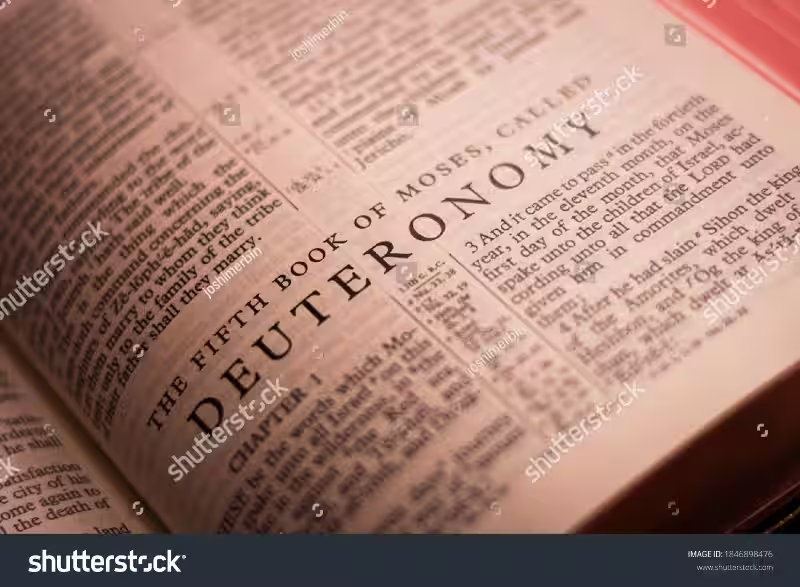
Many religions, particularly those rooted in the Abrahamic traditions, cite biblical passages as foundational to their views on divorce. These passages often emphasize the importance of marital fidelity and commitment. For example, some interpret certain Old Testament verses as allowing divorce in specific circumstances, but later New Testament teachings often present a more nuanced and restrictive perspective. Understanding the historical context of these passages is critical to understanding their application today.
Different interpretations of these religious texts lead to different conclusions about how to treat divorce. Some believe that God’s ideal is an unbreakable marriage, while others believe that God’s love and mercy extend to those struggling with marital difficulties. It’s vital to remember that these interpretations are frequently the source of ongoing debate, and the emphasis on God’s love often overshadows any perceived condemnation of divorce.
The Impact of Religious Beliefs on Divorce Decisions
Religious beliefs often play a significant role in the decision-making process surrounding divorce. Individuals deeply connected to their faith may feel pressured to reconcile, even when facing significant problems. The desire to uphold God’s ideals can lead to prolonged periods of conflict within marriages and delay seeking outside assistance. This pressure often stems from the fear of violating religious teachings and the perceived importance of maintaining a united front.
Conversely, religious beliefs can be a source of strength and support during the divorce process. Faith communities often offer counseling, support groups, and resources for navigating the emotional and legal challenges of divorce. In these communities, individuals find solace and guidance in shared beliefs and practices, offering a sense of belonging and purpose during a difficult time. This can be especially helpful to those who feel God is with them throughout the process.
Navigating Religious Differences in Divorce
Divorces involving couples with differing religious beliefs present unique challenges. The desire to maintain religious practices and uphold faith values can sometimes clash with the realities of separation and division. Communication and compromise are vital in these situations. Couples should strive to understand each other’s perspectives and seek common ground to ensure the well-being of their children. It is helpful to have mutual respect for each other’s belief systems.
Open communication, empathy, and mutual respect can be powerful tools for navigating these differences. Seeking guidance from religious leaders or counselors is essential for navigating the emotional and spiritual complexities of such situations. This can help the couple to develop practical strategies for co-parenting and understanding the potential impact of divorce on their children’s spiritual development. Remember, God’s love transcends the challenges of divorce, and open communication is key to navigating these complexities.
Conclusion: Finding Peace and Faith After Divorce
The belief that God hates divorce is a complex and sensitive topic, deeply rooted in religious tradition. Understanding the varied interpretations and the potential impact of religious beliefs on divorce decisions is crucial for navigating this challenging life transition. Finding solace and strength in faith, regardless of the intricacies involved, is a common human desire. Seeking guidance from religious leaders and support groups during this time can greatly benefit individuals and families. Remember, God’s grace and mercy are present in all circumstances.
Ultimately, navigating divorce while honoring deeply held religious beliefs requires empathy, understanding, and a commitment to personal growth. With proper support and guidance, individuals can find a path forward that respects their faith while honoring the complexities of human relationships. God’s love and support are always present for those who seek them during this difficult time.
Frequently Asked Questions
Does God hate divorce?
Different religions and denominations have varying perspectives on divorce. Some interpret religious texts as condemning divorce, while others emphasize forgiveness and reconciliation. Interpretations often depend on specific circumstances and the teachings of a particular faith community.
Religious views on divorce are diverse and complex. Some religions prohibit divorce outright, while others allow it under specific circumstances, often requiring reconciliation efforts. The specific guidelines and interpretations vary greatly between faiths and denominations.