The figure of the biblical widow appears frequently throughout the Old and New Testaments, serving as a powerful reminder of resilience, faith, and the potential for divine intervention in difficult circumstances. These women, often facing extreme hardship and loss, demonstrate a profound spiritual strength that continues to inspire and resonate with readers today. Their stories offer invaluable insights into the complexities of faith, societal structures, and the human spirit.
Beyond their individual stories, the biblical widows often represent a broader theme of vulnerability and societal support. Their experiences highlight the importance of community and the need for compassion and justice within their communities. Consider Ruth’s journey, for example, a widow who demonstrates unwavering loyalty and commitment to her mother-in-law. Her story is a testament to the interconnectedness of faith and family, a significant theme often present in widows’ narratives throughout the Bible. These women weren’t just victims; they were agents of their own destinies, exercising faith in the face of adversity.
Understanding the context of widowhood in ancient Israelite society is crucial to appreciating the challenges faced by these women. Societal expectations and economic realities played a significant role in shaping their lives. Widows frequently faced significant financial hardship, and often had limited legal rights. This meant that many widows were vulnerable to exploitation, and their stories frequently emphasize the importance of compassion and protection within the community.
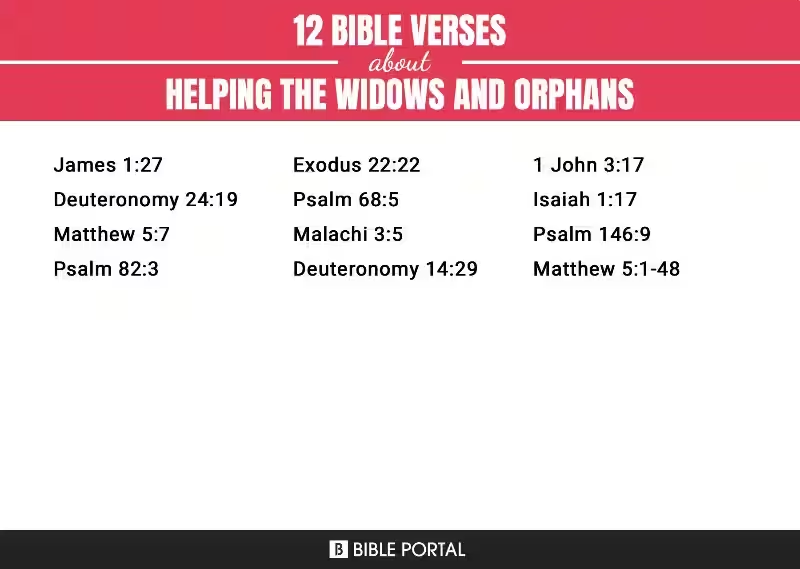
Several factors contributed to the vulnerability of widows. Lack of inheritance rights, economic dependence, and social stigma often left them marginalized and vulnerable. The Bible consistently presents examples of righteous individuals who supported and defended widows, recognizing their precarious position within society. This highlights the importance of compassionate community action, even in complex social contexts. For instance, the laws regarding widows’ rights in Leviticus and Deuteronomy demonstrate the importance of societal protection of these vulnerable individuals.
Biblical Widows: Powerful Models of Faith
The biblical widows offer a powerful example of faith in action. Their lives weren’t always easy, and the Bible doesn’t shy away from their struggles. Consider Sarah, the wife of Abraham, who faced numerous trials, including infertility and the loss of loved ones. Even in her trials, she displayed incredible resilience and faith. This demonstrates that faith isn’t always about smooth sailing, but rather, about enduring with a firm belief in God’s plan. This theme of faith in the face of adversity is echoed in the stories of numerous widows, such as Naomi and Ruth. They demonstrate the strength found in trusting divine providence even when facing challenges.
These women’s faith often manifested in acts of devotion. They demonstrated their dedication through acts of prayer, service, and obedience. Examples include Hannah’s unwavering devotion to God, highlighted in several passages in the Bible. Their stories show us that faith isn’t just an abstract concept but a living force that shapes their actions and decisions. Widows frequently exemplify faith as a proactive virtue, not merely a passive acceptance of suffering.
The stories of biblical widows offer valuable lessons for modern widows and their communities. Their experiences highlight the importance of recognizing and supporting the vulnerable within our own societies. Modern widows often face similar challenges, including economic hardship, social isolation, and emotional distress. Community support and understanding are essential elements in helping them navigate these difficulties. Organizations that support widows can be crucial in providing practical assistance and emotional support.
Furthermore, the biblical accounts of widows emphasize the importance of compassion and justice. These women’s experiences underscore the need for policies and practices that safeguard the well-being of vulnerable individuals. Creating an environment where widows feel supported and empowered is vital, and this responsibility falls on individuals and communities alike. It is essential that we learn from the past and apply those lessons to creating a more just and compassionate world for all.
Frequently Asked Questions about Biblical Widows and Religion
What does the Bible say about widows?
The Bible contains numerous passages discussing widows. These passages often emphasize the importance of caring for widows and their needs, recognizing their vulnerability and often poverty. Different passages highlight different aspects of widowhood, including practical support, justice, and spiritual encouragement.
What are the roles of widows in biblical religion?
While the Bible doesn’t prescribe rigid roles, it emphasizes the importance of widows’ piety and their place within the community. They were often seen as deserving of special care and protection, as well as expected to uphold virtuous behavior and faith.
Community support was crucial for widows. While some support came from family members, the wider community, including the church or synagogue, often played a significant role in providing for widows’ basic needs, such as food, shelter, and clothing. Legal systems also sometimes played a role in ensuring widows received their due.
What are some examples of biblical widows?
Sarah, Rebekah, Ruth, and Naomi are among the most notable widows in the Bible. Each story highlights different aspects of widowhood, from mourning and loss to resilience and faith.
How do modern interpretations of biblical widows differ from their historical context?
Modern interpretations often emphasize the social and economic context of biblical times when considering passages about widows. This context can illuminate why certain practices related to widows were common in that era. Modern interpretations also frequently connect these stories to broader themes of justice and empowerment for marginalized communities.