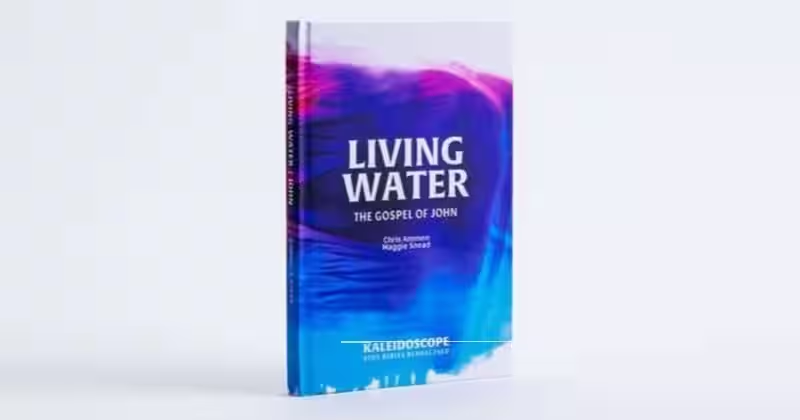
We all thirst. Not just for physical water, but for something deeper, something that satisfies our souls. We yearn for connection, purpose, and a sense of belonging. This inherent need is often described in metaphorical terms, like a thirst for knowledge, a thirst for love, or even a thirst for meaning. In the Christian faith, Jesus Christ is presented as the living water – a source that quenches this profound inner thirst, offering a refreshing and everlasting fulfillment.
The concept of Jesus as the living water is more than just a symbolic image. It’s a powerful metaphor for the transformative and life-giving nature of his teachings and presence in the world. It points to the fact that true satisfaction doesn’t come from fleeting pleasures or worldly possessions, but from a deep connection with the divine. This connection, this living water, sustains us through life’s challenges and offers a pathway toward spiritual growth and wholeness. Just as physical thirst necessitates a source of water, our spiritual thirst requires a source of divine life.
The concept of Jesus as the living water finds its roots in the Gospel of John. Here, Jesus speaks to the Samaritan woman at the well, revealing a profound truth about the nature of spiritual sustenance. He declares, “Whoever drinks of the water that I will give him will never be thirsty again. The water that I will give him will become in him a spring of water welling up to eternal life.” This promised water isn’t merely a physical substance; it embodies the very essence of God’s love, grace, and truth. The living water is a source of eternal life.
Consider this: imagine a desert traveler, parched and weary. A single wellspring, though small and seemingly insignificant, can be the difference between life and death. Similarly, in the face of life’s trials and temptations, the living water of Jesus can refresh and revitalize our spirits. This water isn’t something to be sought after in a ritualistic way; it’s a living experience, a relationship with the divine. The Bible speaks of this living water as a spring welling up within us, nourishing our souls and empowering us to live more fully.
The Living Water and Personal Transformation
The living water of Jesus isn’t an abstract concept; it’s a profoundly personal experience. It’s about accepting God’s grace, surrendering to his will, and allowing him to shape our lives. Imagine a life transformed by this living water. The transformation isn’t a sudden, miraculous event but a gradual process of renewal, guided by the spirit of God. It’s about growing in love, compassion, and understanding. This living water empowers us to:
Forgive others and ourselves
Love unconditionally
Serve others with compassion
Live with purpose and meaning
This transformation is possible because the living water of Jesus offers healing for our wounds, strength for our struggles, and guidance for our journeys. It’s a constant source of refreshment, especially in the face of adversity. Think of the times you felt lost, confused, or empty. The living water of Jesus can fill those voids with the peace and hope that surpasses all understanding.
Finding the Living Water Today
How can we access this living water today? It’s not about complicated rituals or extraordinary feats of faith. It’s about a simple act of receiving Jesus Christ as the Lord and Savior into our lives. By acknowledging our dependence on God, accepting the gift of redemption, and actively seeking to follow his teachings, we can begin to cultivate this living water within us. It’s about seeking a relationship with God through prayer, Bible study, and fellowship with other believers. Daily reflection and meditation can help connect you with the divine, allowing the living water to nourish and sustain your soul.
Imagine a wellspring of life, always accessible, always pure. That’s the living water of Jesus. This is not just a religious concept, but a source of renewal and strength for daily life. Embracing this living water is an ongoing process, a journey of faith that enriches our lives in countless ways. The living water is a promise, a gift, and a powerful force for positive transformation.
Frequently Asked Questions about Jesus as the Living Water
What does “living water” mean in the Bible, and how is it related to Jesus?
In the Bible, “living water” refers to the source of spiritual life and eternal nourishment. Jesus, in the Gospel of John, identifies himself as this living water, signifying that He provides the ultimate spiritual sustenance and connection to God.
How is Jesus the source of living water?
Jesus is the source of living water because his teachings, actions, and sacrifice offer a profound pathway to eternal life. His followers experience this living water through faith, receiving the Holy Spirit and the promise of a transformed relationship with God.
What does it mean to drink from this living water?
Drinking from the living water represents accepting Jesus as the savior and allowing his teachings to guide one’s life. It means living in accordance with his principles, experiencing a deeper connection with God, and finding lasting spiritual fulfillment.
How does this concept of living water relate to different religions?
Different religions have interpretations of concepts of spiritual nourishment and connection, but the core idea of a source of life and truth resonates across many faiths. The concept of “living water” in Christianity highlights a unique perspective on how that connection is achieved through faith in Jesus.
Why is the concept of living water important in Christianity?
This concept is crucial because it emphasizes that salvation and eternal life are not earned but are a gift from God offered through Jesus. It underscores the central role of faith and the transformative power of relationship with God in Christian theology.