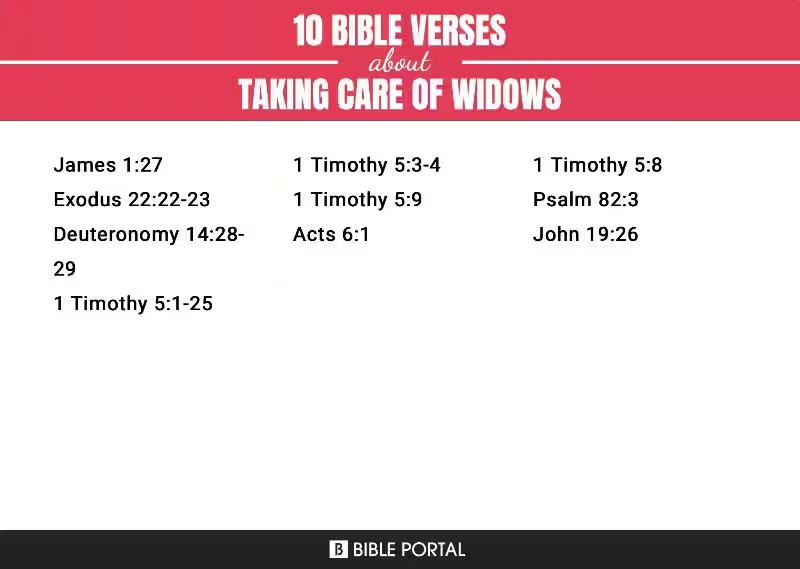
Widowhood, a journey marked by profound loss and often significant shifts in life, can be profoundly shaped by religious beliefs. Scriptures offer solace, guidance, and a framework for navigating the emotional and practical challenges. Understanding these religious perspectives can be particularly important for widows seeking comfort and meaning in their faith. This article explores various religious perspectives on widowhood, focusing on the invaluable insights found within their sacred texts.
Religious traditions, from Judaism to Christianity to Islam, have rich histories of supporting widows. These traditions often provide structured support systems and specific guidelines for financial and social welfare. This support is often found within the widow scriptures. Respect for the bereaved and compassion for those in need are frequently themes within these texts. For example, in the Old Testament, there are narratives of widows being cared for by individuals and communities. These instances highlight the importance of collective responsibility and the preservation of dignity during times of hardship. Understanding these examples can guide modern communities in how to support widows today.
Faith plays a crucial role in finding strength during grief, and widow scriptures often provide comfort and guidance on how to navigate such difficulties. Many religious texts emphasize the importance of hope, patience, and forgiveness in the face of loss. For example, certain Christian scriptures highlight the concept of heaven as a place of reunion, offering a source of comfort and a promise of future happiness. This concept allows widows to find solace in the belief that their lost loved ones are in a better place.
Different religions have different approaches to understanding the nature of loss and healing. Christianity, for instance, often presents the widowed as recipients of divine grace and support. Islamic teachings emphasize the importance of patience and resilience in the face of hardship. Judaism, with its rich tradition of communal support, provides strong structures for both the tangible and emotional care of widows. These diverse perspectives offer widows a range of perspectives, empowering them to find meaning in their faith during their period of mourning.
Practical Guidance from Religious Texts
Widow scriptures often provide practical guidance on issues like inheritance, financial support, and social standing. Jewish law, for example, contains detailed laws regarding inheritance rights for widows and orphans. These legal precedents offer clear frameworks for fairness and protection. Similarly, Christian scriptures encourage charity and compassion towards widows and those in need. This emphasis on societal responsibility provides a blueprint for how communities can assist widows and ensure their well-being.
Specific examples can help illustrate this. In some Islamic traditions, the widow has rights to inheritance, ensuring her financial security. In many Buddhist teachings, there is an emphasis on compassion and empathy for those suffering loss. Understanding these examples within different religious traditions allows widows to access the practical support systems and resources their communities can offer.
Finding Strength and Meaning in Faith After Loss
Navigating widowhood while maintaining spiritual connection can be challenging but deeply rewarding. By drawing strength from widow scriptures, widows can discover a renewed sense of purpose and perspective. The stories and principles within sacred texts can provide comfort and guidance, leading to a more meaningful understanding of life’s journey. Examples of this can be found in stories of widows who, despite their loss, have found strength and meaning through their faith. These stories illustrate the power of faith to provide resilience, hope, and a sense of belonging during such challenging times.
Widows who actively engage with their respective religious communities during times of grief and transition are often better equipped to find solace and support. Community support, alongside individual faith, can help widows cope with the physical and emotional challenges of widowhood. This support can range from practical assistance, like help with household chores or financial aid, to emotional support through shared experiences and understanding. This is crucial and can be found in the support structures inherent in various faiths.
Conclusion: A Journey of Faith and Resilience
The journey of widowhood is a deeply personal one, shaped by individual experiences, beliefs, and circumstances. Religious scriptures, however, provide a powerful framework for finding solace, strength, and meaning. By understanding the diverse perspectives found within these sacred texts, widows can discover a renewed sense of purpose and connection to their faith. This connection can provide a vital source of strength and guidance, helping them to navigate this challenging period with resilience and hope.
Ultimately, the widow scriptures are more than just words on a page. They are a testament to the enduring power of faith, compassion, and community in the face of profound loss, offering guidance and comfort to those who seek it. This is a crucial takeaway, as it enables widows to embrace the support systems inherent in their religious communities. This support can be vital in helping them build a new life while honoring their past.
Frequently Asked Questions about Widow Scriptures and Religion
What does the Bible say about widows?
Various scriptures in the Bible offer guidance and support for widows, emphasizing care, compassion, and practical assistance. Different sections address different aspects, like inheritance, financial security, and community support.
Islamic teachings emphasize the importance of caring for widows and orphans. Specific rules govern inheritance, marriage, and financial support, aiming to ensure their well-being and dignity.
What are the cultural expectations surrounding widows in different religions?
Cultural expectations surrounding widows vary significantly across different religions and societies. Some traditions may involve social ostracization, while others offer strong support systems and protections. Be mindful that these aren’t necessarily reflective of core religious teachings.
Are there specific scriptures that address the financial needs of widows?
Many religious texts contain provisions for widows’ financial security, including inheritance rights, social support, and community responsibility for their needs.
How do different religions view remarriage for widows?
Different religions have varying perspectives on remarriage for widows. Some allow it, while others may have specific rules or restrictions.
How can I find more information about widows and their rights within a specific religion?
Consult reputable religious texts, scholars, and community leaders within the specific faith you are interested in for detailed understanding.