Life, like a ship on the vast ocean, can be a relentless journey. We face unexpected storms, fierce winds of adversity, and waves of intense emotions. These challenges can leave us feeling lost, tossed about, and ultimately, vulnerable. Yet, within the depths of our being, a compass exists—a guiding light that can navigate us through the choppy waters. This light is often found in the realm of faith, and it can be particularly powerful in times of intense struggle.
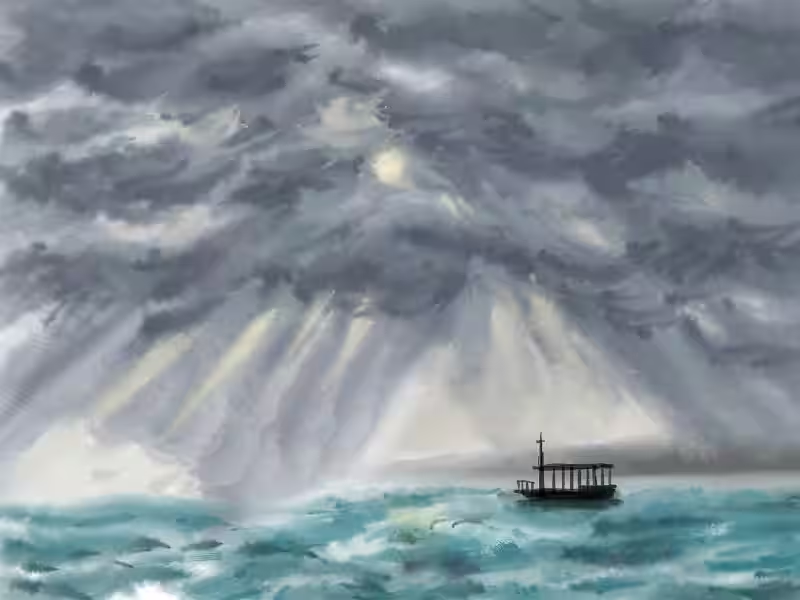
Many cultures and religions offer narratives of storms on the sea as symbolic representations of life’s difficulties. The storm, in these stories, is not simply a meteorological event; it represents the trials and tribulations that we face in our journey. Imagine a lone fisherman battling a relentless storm, alone on a small boat. This exemplifies the feeling of isolation and helplessness that many experience when confronting life’s difficulties. Finding solace and strength in these times is crucial, and faith often provides the anchor needed to weather the tempest.
Religious traditions often provide structured frameworks for navigating life’s storms. These frameworks often include rituals, practices, and community support. For example, prayer, meditation, or attending religious services can provide comfort and a sense of connection to something larger than ourselves. This connection can be incredibly powerful when facing adversity. Community plays a vital role too. Shared experiences, empathy, and support from fellow believers can make a significant difference during difficult times.
Consider the story of the disciples in the Bible, who were caught in a violent storm on the Sea of Galilee. Their fear and despair amplified the storm’s intensity. This is a relatable experience for many. Yet, their faith in Jesus, and their shared belief, helped give them the strength and reassurance to endure. This highlights the importance of shared belief systems and how they can bolster our inner strength.
Hope is a crucial element in navigating life’s storms. Religion often provides a source of hope, offering a belief in a greater power, a divine plan, or a promise of a better future. This hope can sustain us even when our circumstances seem bleak. For instance, a devout Christian might draw strength from the belief in God’s unwavering love and the promise of eternal life. This perspective can be exceptionally valuable when facing life’s inevitable hardships.
Moreover, religious texts and traditions often offer moral guidance and principles to help us navigate the complexities of life. These principles can serve as a moral compass, guiding our decisions and actions, even in the face of adversity. Examples include compassion, forgiveness, and patience, which can be invaluable when weathering life’s storms. These elements, embedded in religious contexts, become an internal strength in the face of external challenges.
Overcoming the Storm: Lessons from Religious Narratives
Religious narratives, often centered around the storm on the sea, offer profound lessons about resilience and faith. These narratives remind us of the power of perseverance and the strength we can find within ourselves when we embrace our faith. Consider the story of Moses parting the Red Sea. This symbolizes the potential to overcome seemingly insurmountable obstacles through faith and steadfastness. This faith-based resilience is a fundamental principle.
Furthermore, these narratives often emphasize the importance of trusting in a higher power and accepting that even in the midst of chaos, there is a divine order. This perspective offers a sense of comfort and direction, helping us to navigate the storms of life more effectively. In the face of personal storms, recognizing that even in chaos, there is a design, a purpose, can offer incredible solace. Similarly, these narratives often underscore the importance of forgiveness and compassion. These qualities can be invaluable in navigating the storms of interpersonal relationships and conflicts.
What does the storm on the sea symbolize in religious contexts?
The storm on the sea, a prevalent motif in many religions, often symbolizes trials, tribulations, and tests of faith. It can represent the struggles of life, the challenges faced by individuals or communities, and the power of divine intervention or lack thereof. Different interpretations exist depending on the specific religious tradition and context.
How do different religions explain the cause of storms?
Religious perspectives on the cause of storms vary. Some attribute them to divine anger or displeasure, while others view them as natural phenomena, perhaps influenced by spirits or the actions of humans. Certain interpretations link storms to specific events or moral failings within a community.
How do religious figures or characters respond to storms in religious texts?
Religious figures and characters in various texts, such as Moses parting the Red Sea or Jesus calming the storm, frequently demonstrate divine power, resilience, and the ability to overcome adversity during storms. The response often highlights the importance of faith, prayer, and reliance on a higher power.
What is the significance of storms in religious rituals or practices?
Storms may hold significance in religious rituals and practices, often symbolizing purification, renewal, or a turning point. For example, certain ceremonies might be timed to coincide with storms or use storm imagery to convey these concepts.