The figures of the biblical prophets often seem shrouded in mystery, distant voices from a bygone era. Yet, their messages resonate powerfully with our modern lives. Biblical prophets were more than just seers; they were messengers, moral guides, and social reformers. They challenged the status quo, calling for justice, righteousness, and repentance. Understanding their role, and the messages they delivered, provides valuable insight into navigating the complexities of life today.
Prophets weren’t simply predicting the future. While some prophecies did involve foretelling events, their core function was to reveal God’s will and His perspective on societal issues. They delivered a message of hope and warning, urging people to align their lives with God’s righteous principles. Examples like Isaiah’s pronouncements on the coming Messiah, or Jeremiah’s calls for repentance, demonstrate this crucial link between divine revelation and human action.
Decoding the Prophet’s Message: A Practical Approach
Comprehending the message of the prophets requires more than just a superficial reading. We must delve into the historical and cultural context of their pronouncements. Understanding the social and political climate of the time is essential to interpreting their words. This understanding is crucial because often, their warnings were directed at specific societal ills, such as oppression, idolatry, or injustice. They weren’t just messengers about the future; they were also concerned with the present.
Consider this: if a prophet stood in a community where corruption was rampant, his calls for repentance and righteousness were not simply abstract ideas. They were direct, actionable calls for change. They were practical guides, pointing toward a better future. For example, Amos’ denunciation of the social inequalities in Israel is incredibly relevant to the societal injustices we face today. By understanding this context, we can gain a deeper appreciation for the enduring relevance of their message.
Connecting with the Prophetic Voice: Finding Meaning Today
The prophetic tradition isn’t confined to the pages of scripture. The prophetic spirit continues to inspire individuals and communities striving for a more just and righteous world. Modern-day leaders, activists, and individuals who speak truth to power reflect this enduring spirit. Think of individuals who use their platform to bring attention to social issues, or those who speak out against injustice – they’re carrying on the legacy of biblical prophets.
Connecting to the prophetic voice isn’t about blind adherence but about actively seeking God’s will. We can achieve this by reflecting on the lessons of the prophets, examining our own lives, and striving to embody the values they championed. This might manifest in acts of compassion, advocating for the marginalized, or speaking the truth in love. We could apply their values in our personal relationships, our community involvement, and in our professional endeavors. The biblical prophets’ message reminds us that our actions have consequences, and that our pursuit of justice is a lifelong journey.
The Enduring Legacy of Biblical Prophets: A Lasting Impact
The legacy of the biblical prophets extends far beyond the ancient world. Their impact is profoundly evident in the religious and ethical frameworks of countless cultures and societies. Their courageous voices challenged the status quo, forcing people to confront their own shortcomings and consider the implications of their actions. The influence of biblical prophets is demonstrably seen in our moral compass.
Ultimately, the messages of the biblical prophets are far from antiquated. The issues they addressed—justice, compassion, and righteousness—are still relevant today. From the prophetic calls for social justice to their warnings against idolatry and injustice, their words hold a powerful message for all of us. They invite us to reflect on our values, challenge our assumptions, and strive to live more fulfilling lives in alignment with God’s will. We can apply their principles to our own lives, making our world a more just, compassionate, and righteous place.
A prophet in the Bible is a person who speaks on behalf of God, conveying messages, pronouncements, and guidance. They often foretold future events, offered moral instruction, and served as intermediaries between God and humanity.
What is religion?
Religion is a set of beliefs and practices related to the divine or the supernatural. It often involves rituals, ceremonies, and a community of believers.
What are the different types of prophets in the Bible?
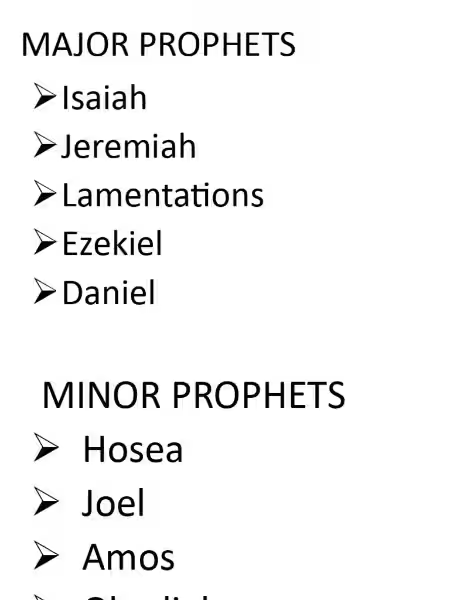
The Bible describes various types of prophets, including major and minor prophets, those who primarily offered judgment, those who proclaimed blessings, and those who emphasized social justice.
How can I learn more about the prophets in the Bible?
You can explore the books of the Bible attributed to the prophets, such as Isaiah, Jeremiah, and Ezekiel. Many commentaries and scholarly works are also available.
What is the role of religion in society?
Religion plays a significant role in shaping moral values, providing social structure, and offering a framework for understanding the world. It also often motivates charitable acts and fosters community.
What are some common criticisms of religion?
Criticisms of religion can include accusations of intolerance, conflict, or the justification of harmful actions. Concerns about dogma and the potential for misuse of religious authority are also prevalent.