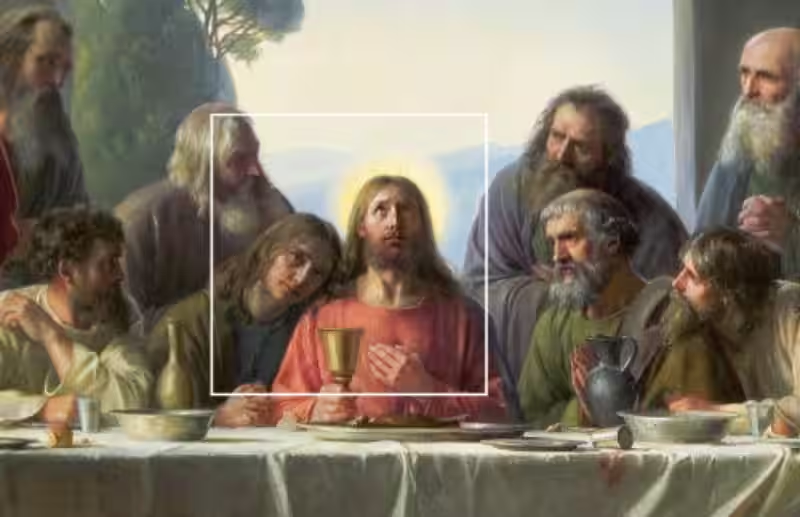
John’s Gospel, a unique perspective on Jesus’ life and teachings, offers profound insights into the nature of God and the human experience. It’s more than just a historical account; it’s a tapestry woven with themes of love, light, and eternal life. This exploration delves into the rich tapestry of John’s Gospel, revealing its relevance to our lives today. Understanding this perspective allows us to connect more deeply with our faith and the profound message it holds.
Many people find John’s Gospel to be a particularly evocative and powerful narrative. Its poetic language and emphasis on spiritual truth often resonate deeply with readers. It encourages us to look beyond the surface and delve into the deeper meanings of faith, allowing us to explore the world in a new way. This exploration is not meant to be a dry academic study but rather a journey of discovery, inviting readers to connect with the text on a personal level.
The Divine Nature of Jesus: Unveiling the Word Made Flesh
John’s Gospel portrays Jesus as the divine Word, the Logos. This concept emphasizes Jesus’ pre-existence and eternal nature as the very essence of God. “In the beginning was the Word, and the Word was with God, and the Word was God” (John 1:1). This verse, often cited as a cornerstone of Christian theology, highlights Jesus’ fundamental role as part of the divine trinity. It speaks to a deeper truth about the relationship between God and humanity.
Understanding the divine nature of Jesus is crucial for navigating life’s challenges. It affirms our belief in a loving and powerful God who is deeply involved in our lives. This perspective provides strength and comfort by offering a vision of a personal relationship with a divine being. Spiritual connection with this concept strengthens our overall faith. Consider this: If Jesus is truly divine, then our faith and actions can be guided by a higher power. Embracing this truth can bring comfort in times of adversity and lead to a more meaningful existence.
John’s Gospel emphasizes the importance of believing in Jesus for salvation. This belief isn’t a simple intellectual agreement; it’s a personal relationship with the divine, inviting a transformation of the heart and mind. “He who believes in the Son has eternal life; he who does not obey the Son shall not see life, but the wrath of God remains on him” (John 3:36). This verse highlights the fundamental choice we’re all faced with: accepting the gift of salvation or rejecting it.
This concept is relatable because it underscores the personal nature of faith. It’s not about following rules or rituals; it’s about a personal commitment to a relationship with God through Jesus. Consider this example: choosing to believe in a particular truth system is ultimately a matter of personal conviction. Faith in this sense isn’t something imposed from the outside but something we cultivate within. By choosing belief, we open ourselves to a deeper understanding of ourselves and our place in the world.
Living a Life of Love and Light: Practical Application of John’s Teachings
John’s Gospel isn’t just about theological concepts; it’s about practical application in daily life. “By this everyone will know that you are my disciples, if you love one another” (John 13:35). This verse emphasizes the importance of love as the defining characteristic of a Christian. Compassion, empathy, and selflessness are core principles of living a life informed by faith. John’s Gospel also stresses the concepts of forgiveness and reconciliation. How we treat others mirrors our relationship with God. The more we practice these values, the more we reflect the light of Jesus in our lives.
We can apply these principles in various ways. For example, we can strive to offer compassion to those around us. We can work towards reconciliation with those we have disagreements with. By embodying these virtues, we not only enhance our lives but also become an example for others. This reflection invites us to consider: How can I better reflect Jesus’ teachings in my actions and interactions with the world around me? Living a life of love and light is not a destination but a continuous journey of growth and transformation.
Conclusion: A Lasting Legacy of Faith
John’s Gospel provides a rich and multifaceted understanding of faith. Its emphasis on love, light, and the divine nature of Jesus offers a powerful framework for navigating life’s complexities and embracing a deeper connection with the divine. By studying and applying its teachings, we can cultivate a more fulfilling and meaningful life grounded in faith and compassion. Embracing the principles outlined within John’s Gospel allows us to cultivate a deeper, personal connection with our faith, guiding us into a more meaningful journey of life.
Ultimately, John’s Gospel serves as a profound invitation to delve into our own spiritual journey and discover the depths of faith. It offers practical tools and inspirational narratives that encourage us to reflect on our own lives and strive to live in accordance with the principles of love, light, and truth. The message of John’s Gospel continues to resonate with readers across centuries, reminding them of the profound and enduring power of faith. The lessons learned from this text offer a path to a more fulfilling life through personal connection with a higher power.
The term “John verses religion” isn’t a standard or defined concept. It likely refers to interpretations or disagreements surrounding the figure of John the Baptist or the Gospel of John in relation to specific religious beliefs or practices. To provide a helpful answer, please clarify what specific aspects of “John verses religion” you are interested in.
What are the key teachings of John the Baptist?
John the Baptist preached repentance, baptism in water as a symbol of that repentance, and the coming of the Messiah. He emphasized a lifestyle of righteousness and warned of impending judgment.
How does the Gospel of John portray Jesus?
The Gospel of John portrays Jesus as the divine Son of God who came to reveal the Father to humanity. It emphasizes Jesus’s pre-existence, miracles, and teachings about eternal life.
Are there conflicts between the teachings of John the Baptist and Jesus?
While John the Baptist prepared the way for Jesus, there aren’t direct conflicts in their teachings, but rather a clear progression. John’s message points to Jesus as the fulfillment of the prophesied Messiah.
How can I find more information about John the Baptist and the Gospel of John?
Numerous biblical commentaries, theological texts, and online resources can provide further insights into these topics. You may also wish to consult with a religious scholar or leader.