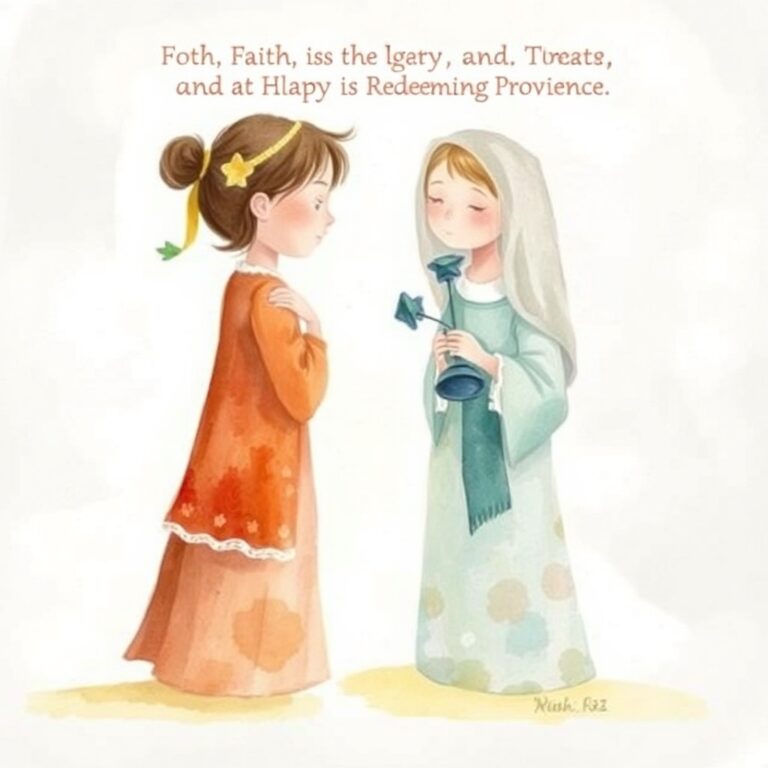
A Devotional Commentary on Book of Ruth: Hope, Loyalty, and God’s Redemption
Quick Answer: This commentary on book of ruth walks through Ruth’s faithful loyalty, Naomi’s painful journey, and God’s providence that leads to redemption. As you study the story—from harvest fields to the near kinsman—you’ll see that God uses ordinary choices to bring extraordinary grace. Expect encouragement for hardship, guidance for love that endures, and confidence that God keeps His covenant promises.
Historical and Covenant Setting: Why Ruth’s Story Matters
The book of Ruth takes place “in the days when the judges ruled” (Ruth 1:1), a time marked by instability and moral decline. Famine pushes Elimelech’s family to seek survival in Moab, where grief quickly multiplies: Elimelech dies, then his sons die as well. In that vulnerable landscape, covenant identity and family responsibility become crucial.
Ruth’s life intersects with Israel’s “kinsman-redeemer” law (often summarized from the Levitical framework): when a family’s land and future are threatened, a near relative may act to restore what has been lost. Ruth, a Moabite, is not portrayed as merely escaping hardship—she is portrayed as clinging to Israel’s God and stepping into God’s plan. The narrative therefore demonstrates God’s providence working through real people with real limitations.
Although the setting feels distant, the theme is timeless: God remains faithful when circumstances feel random. Naomi’s bitterness and confusion, Ruth’s costly loyalty, and Boaz’s integrity all reveal that God can redeem broken seasons. The story also anticipates a greater redemption line, connecting to the family history that leads to David and ultimately foreshadows the Messiah.
Original-Language Notes: Key Hebrew Themes in Ruth
The book of Ruth is written in Hebrew, and several recurring ideas shape its spiritual meaning. One major theme is hesed—often translated as steadfast love, kindness, or loyal mercy. Ruth’s commitment to Naomi flows from this kind of loyal devotion, not from convenience. Another repeated motif is “rest” and “security,” especially in Ruth’s marriage and Boaz’s protective actions (Ruth 3–4). The Hebrew wording emphasizes stability rather than temporary relief.
Ruth also highlights covenant loyalty through language like “God do so to me” and “where you go, I will go” (Ruth 1). Even when the exact nuance of a phrase can be debated by scholars, the intent is clear: Ruth chooses allegiance to Naomi’s God with seriousness and permanence.
As you read, notice how these Hebrew concepts guide the emotional arc: grief doesn’t get the final word, loyalty becomes a doorway to redemption, and God’s providence turns harvest-day work into covenant-day blessing.
Commentary on Ruth 1: Grief, Choice, and the Turning Point of Loyalty
Ruth 1 begins with loss. Naomi’s family leaves Bethlehem, but the move does not deliver relief; it intensifies tragedy. When Elimelech dies and the sons follow, Naomi is left with two widows and the heavy question of “What now?” The story refuses to romanticize hardship. Naomi returns “with bitterness,” and her words reflect the deep realism of pain.
Yet the chapter’s turning point is not a miracle sign overhead—it is a choice on the ground. Orpah and Ruth respond differently when Naomi urges them to go back to their families. Orpah departs, while Ruth clings. What makes Ruth’s commitment so moving is its personal cost and its spiritual clarity: she commits to Naomi’s people and Naomi’s God.
In pastoral terms, Ruth 1 teaches that God often begins His deliverance through the smallest acts of steadfastness. When Naomi speaks discouragingly, Ruth answers with faithfulness. When the future looks bleak, Ruth chooses covenant loyalty.
This is why a devotional book of Ruth interpretation is more than a historical narrative—it becomes a mirror for believers. Many readers experience seasons when bitterness feels rational. Ruth doesn’t deny pain; she redirects it toward trust. If Naomi represents the weight of disappointment, Ruth represents the courage to follow God even when the path is uncertain.
As you read, ask: Where am I tempted to walk away when God’s plan is hardest to see? Ruth’s loyalty invites you to choose God’s direction over fear’s logic.
Commentary on Ruth 2–4: Providence in the Fields, Protection in the Night, Promise at the Gate
Ruth 2 places the spotlight on ordinary obedience. Ruth goes to glean in the field, and her “chance” encounters carry God’s providence. Boaz appears not as a random benefactor but as a man whose character shapes the blessing he offers. Ruth’s awareness and diligence matter: she works, she follows instructions, and she asks for protection rather than insisting on entitlement.
In Ruth 3, the story moves from daytime gathering to nighttime trust. Ruth acts with humility and clarity, seeking Boaz’s responsibility within the boundaries of the law and custom. She’s not trying to manipulate Boaz; she seeks rightful redemption. Boaz’s response highlights integrity: he demonstrates willingness to redeem, and he also honors the existence of a closer redeemer. Protection, in this story, is not domination—it is righteous order.
Ruth 4 concludes at the city gate, where legal decisions are made public. The near kinsman’s refusal clears the way for redemption. Then the community blesses Ruth and honors Naomi’s renewed hope. What began with emptiness ends with restoration—Naomi’s life is refreshed, and Ruth’s loyalty becomes a lineage-bearing legacy.
Biblical insights from Ruth emphasize that God’s redemption often arrives through processes: work, waiting, negotiating, and community recognition. God doesn’t only redeem feelings; He redeems realities—family, land, identity, and future.
This is also where the theme of covenant hope becomes vivid. Ruth’s story points forward to a greater redemption narrative in Scripture. But for the reader today, it also points inward: God can transform a “no future” season into a “new beginning” season through faithfulness.
How to Apply the Study Notes on Ruth in Daily Faith
1) Choose loyalty that costs something. Ruth’s faithfulness isn’t casual. When your circumstances are unstable, love, obedience, and commitment can feel expensive. Pray for the grace to remain faithful—especially in relationships, responsibilities, and spiritual disciplines.
2) Look for God’s providence in ordinary obedience. Ruth gleaned; Boaz worked; Naomi waited. God often uses “fields” rather than fireworks. Build spiritual habits that place you where blessing can be found: worship, Scripture reading, and wise counsel.
3) Trust God’s timing and process. Redemption in Ruth required waiting and public decisions. You may not control how quickly doors open, but you can control your faithfulness while you wait.
4) Let integrity shape your influence. Boaz’s character protected others. When you serve, lead, or care for someone vulnerable, do it with honesty and accountability.
If you are walking through grief or confusion, the book of Ruth doesn’t tell you to deny pain. It tells you that God can redeem pain. Keep going with steady trust, and let loyalty become your pathway to hope.
Trusting the Lord with all your heart supports the same steadfast faith Ruth exhibits through uncertainty.
Psalm 37:23-24
God orders the steps of the righteous even when life feels like it is slipping.
Isaiah 52:7
Good news of salvation echoes the joy of restoration in Ruth’s ending.
Matthew 1:5
Ruth’s inclusion in the genealogy connects her faithful story to God’s redemptive plan.
Hebrews 6:10
God remembers work and love, encouraging believers that faithfulness is never wasted.
Frequently Asked Questions
What is the main message of the commentary on book of ruth?
The message is that God’s providence redeems suffering through loyal faithfulness. Ruth’s steadfast commitment, Naomi’s restoration, and Boaz’s integrity show that God can turn bleak circumstances into covenant blessing. The story teaches believers to trust God’s timing and to respond with costly obedience.
Why does Ruth’s loyalty to Naomi matter so much?
Ruth’s loyalty is not only emotional; it is covenantal and spiritual. By choosing Naomi’s God, Ruth steps into God’s purposes. Her commitment becomes the foundation for future redemption, reminding readers that faithful love often leads to God-guided outcomes.
How does Boaz model righteousness in the book of Ruth?
Boaz models integrity, protection, and responsibility. He honors rightful legal order, expresses willingness to redeem, and ensures Ruth is cared for in a manner consistent with God’s standards. His character shows that redemption is meant to be orderly and trustworthy.
Is the book of Ruth a stand-alone story or connected to the rest of Scripture?
It is both self-contained and deeply connected. Ruth’s events show God’s providence and covenant faithfulness, and it also connects to the larger redemptive line through David’s family history (Matthew 1). That makes Ruth’s story a bridge between everyday faith and God’s unfolding plan.
A Short Prayer
Lord, thank You for the hope found in Your providence. Teach us to respond like Ruth—with loyalty, humility, and trust—when life is uncertain. Strengthen us to keep working faithfully in Your “fields,” to wait patiently through Your process, and to serve with integrity like Boaz. Restore what seems empty in our lives, and bring redemption in Your timing. In Jesus’ name, amen.
Key Takeaway: Ruth’s story reminds us that God redeems suffering through steadfast loyalty and faithful, Spirit-led choices.