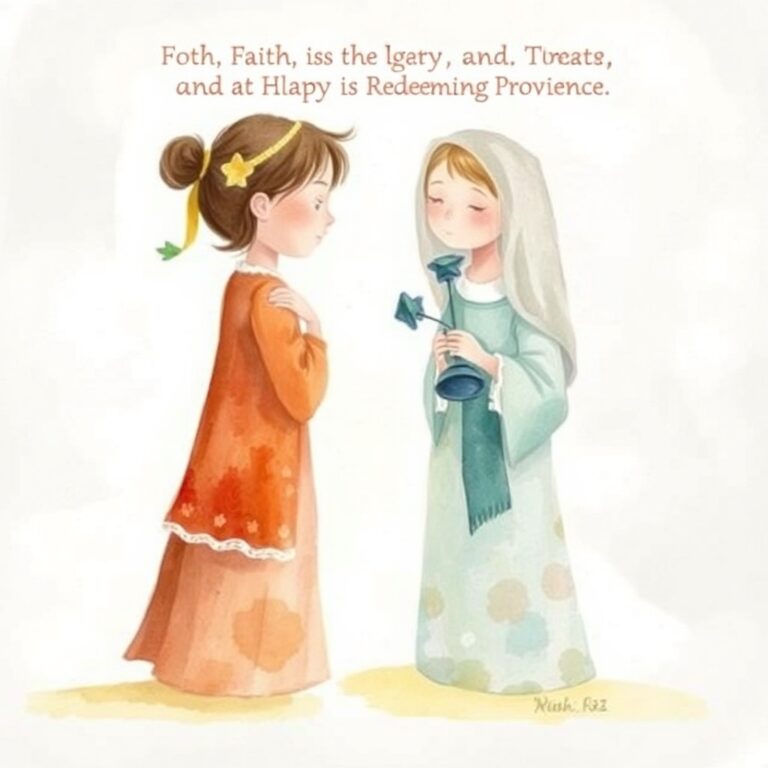
The Cry of the Heart: Understanding "God, Where is My Boaz?"
The Cry of the Heart: Understanding "God, Where is My Boaz?"
The question "God, where is my Boaz?" resonates with a profound human experience. It speaks to the agonizing search for justice, provision, and protection in a world often perceived as unfair. This cry, while stemming from a specific biblical context, transcends time and culture, echoing in the hearts of countless individuals grappling with adversity and seeking divine intervention. We are all, in different ways, searching for a Boaz – a figure representing strength, guidance, and hope in our lives.
This exploration delves into the biblical narrative surrounding the question, examining the context of Ruth and Boaz, and then expanding to consider its broader implications for faith and life in the modern world. We will look at how this seemingly simple question challenges our understanding of faith and God's role in hardship and explore ways to find solace and strength in the face of life's difficulties, even when we question God's presence. Ultimately, this article aims to provide a framework for understanding faith amidst the complexities of human experience.
In the biblical book of Ruth, we encounter a poignant story of loss, hardship, and unexpected redemption. Ruth, a Moabite woman, demonstrates unwavering loyalty to her mother-in-law, Naomi, after the loss of her husband. This devotion, coupled with her steadfast faith, sets the stage for the narrative. Imagine leaving your homeland and loved ones in a time of great hardship, seeking a better future. Ruth's journey mirrors the universal human desire for security and belonging in a world that often feels chaotic and unpredictable. Her journey also demonstrates unwavering love and faith amidst life's challenges.
The key figure in this narrative is Boaz. He represents a symbol of kindness, justice, and divine provision. He embodies the characteristics that Ruth seeks in a protector and provider. The story's climax portrays how Boaz, acting on his compassion and righteousness, provides for Ruth and her family. This act underscores the concept that God, even in our earthly struggles, can work through unexpected individuals to provide a means of support and security. Examples of God's provision in the lives of believers are found throughout the scriptures, illustrating how God's love and care continue to manifest in unexpected ways.
Understanding the Deeper Meaning
The narrative of Ruth and Boaz isn't just about a specific story. It's an archetype for navigating life's challenges with faith and resilience. The question, "God, where is my Boaz?" applies to situations of unemployment, relationship struggles, health issues, and lack of hope. It acknowledges the pain of feeling abandoned or overlooked in our own journeys. Consider how feeling abandoned by family or friends, or in times of financial struggle, can mirror the same feeling. We often try to identify a Boaz, someone who can help us through.
The answer isn't always a concrete person or event. Sometimes, God's provision comes in unexpected forms, like a kind word from a stranger, a supportive friend, or a sudden opportunity for growth. The journey often requires trusting in God's plan, even when the path is unclear or difficult. It's not a simplistic answer but rather a constant journey of faith. Imagine the struggle of someone facing job loss. The feeling of being abandoned or overlooked, the question "God, where is my Boaz?" is completely understandable.
When we ask "God, where is my Boaz?", we're often expressing a need for comfort, guidance, and assurance in the face of hardship. This vulnerability is a testament to our human nature, and acknowledging it is the first step toward finding strength. Consider situations where you've felt lost and unsure. The struggle of faith is real and universal. It’s about navigating personal struggles. It's not about expecting a pre-ordained Boaz, but about recognizing that God's presence is often found in the small, everyday acts of kindness and support. The response to "God, where is my Boaz?" may not always be immediate or tangible, but it may include a supportive community or a lesson learned.
Ultimately, the question "God, where is my Boaz?" isn't about finding a person to solve our problems. It's about recognizing our dependence on God's grace and seeking His guidance throughout our journeys. Remember that faith is not about certainty, but about trust and reliance on something greater than ourselves. Finding faith, in these circumstances, comes from recognizing our need for God, seeking support, and trusting in His plan, however uncertain it may seem. The journey to find comfort is a personal one.
Frequently Asked Questions
Where is my Boaz?
The concept of "Boaz" and the question of his whereabouts are deeply personal and often rooted in individual spiritual journeys. There is no universal answer within religious contexts. Seeking solace, guidance, or answers in prayer, meditation, or introspection might be helpful in navigating these feelings.
What is religion?
Religion is a complex cultural system of beliefs, traditions, and practices often centered around a deity or deities. It encompasses a wide range of perspectives and interpretations. Different religions offer varying explanations for the purpose of life, the nature of the universe, and the human experience.