Widowhood, a significant life transition, has been a subject of profound reflection and guidance across various religious traditions. This article explores the complex nature of this journey through the lens of scriptures, examining the support offered to widows and the challenges they faced. Understanding these perspectives can provide valuable insights into how different religions approach the vulnerabilities and needs of those who have lost their spouses.
Religious texts often depict widows as vulnerable and sometimes marginalized figures. However, these texts also frequently provide crucial guidance and support frameworks. This exploration aims to highlight these complexities, not to judge or condemn, but to foster a deeper understanding of the diverse ways in which faith traditions respond to the unique circumstances of widows. For example, some scriptures emphasize the importance of providing financial assistance and practical support to widows. Other scriptures also discuss the importance of maintaining a positive and hopeful outlook, even during times of grief and hardship.
Biblical Perspectives on Widowhood: Care and Protection
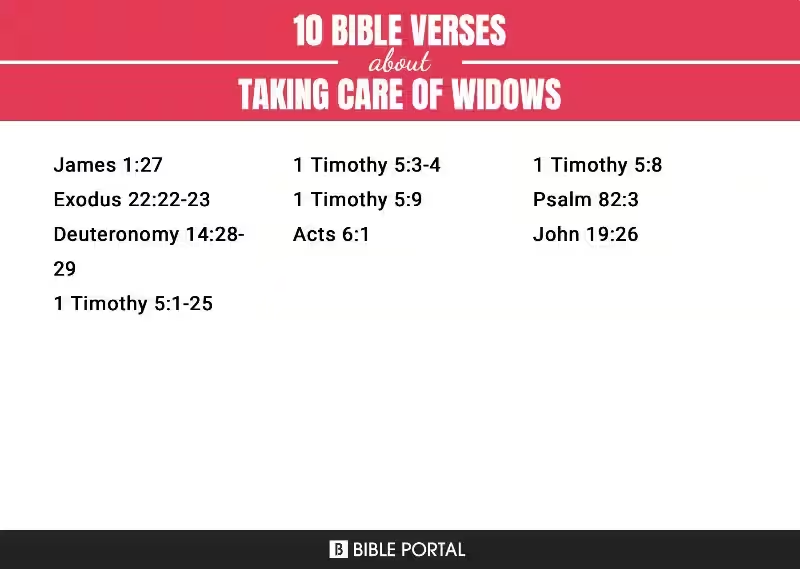
The Bible, particularly the Old and New Testaments, contains numerous passages relating to widows. These scriptures reveal a complex tapestry of care and protection, alongside challenges and hardships. The Old Testament emphasizes the need for the community to care for widows, highlighting their vulnerability and the importance of assisting them. Deuteronomy 24:17-18 clearly states this, detailing the importance for the community to support widows, in part by offering them fair treatment and support. This is not merely about charity, but about recognizing their dignity and right to care.
The New Testament expands on these themes, emphasizing the importance of love and compassion towards widows. Jesus’s teachings often touched upon the marginalized, and widows were undoubtedly among them. 1 Timothy 5:3-5, for example, provides specific guidance, emphasizing the importance of caring for the elderly and widows, especially those in genuine need. This involved not only financial support but also emotional support and practical assistance. Think of a grandmother, or an elderly aunt, who is a widow. The community had a crucial role in ensuring their well-being.
Widows in Other Religious Traditions: Similar Themes, Diverse Approaches
Beyond the Judeo-Christian context, scriptures in other religious traditions provide similar, yet unique, perspectives on widowhood. Hindu scriptures, for example, often emphasize the importance of family support and the continuation of lineage, even after the death of a spouse. This often entails providing support to widows to help them navigate their new life. Buddhist texts highlight the transience of life and the importance of compassion and empathy towards the suffering. These teachings offer guidance on how to cope with grief and loss, while also supporting the well-being of widows.
Islamic scriptures also address the issues surrounding widows, emphasizing the importance of treating them with respect and kindness. The Quran and the Sunnah (teachings and practices of the Prophet Muhammad) provide guidance on financial matters, inheritance, and marriage, ensuring that widows are cared for. For example, specific guidelines are provided regarding the inheritance rights of widows, addressing their economic needs. These diverse perspectives showcase the universal human concern for compassionate care in times of loss and hardship.
The Challenges and Resilience of Widows: Overcoming Obstacles
Despite the support offered in various scriptures, widows often faced significant challenges. Economic hardship, social stigma, and emotional distress are prevalent issues. In some cultures, widows might be ostracized or expected to entirely change their way of life. The scriptures frequently acknowledge these difficulties and provide encouragement to endure them. The importance of faith, resilience, and community support are key themes highlighted throughout.
Widows must often navigate complex family dynamics and societal expectations while seeking to rebuild their lives. They might need to make difficult decisions about their future, facing both financial and emotional burdens. For example, a widow might have to decide whether to stay in her home or move to manage her circumstances. This necessitates a robust support system and access to resources to help them navigate these challenges. Modern understanding suggests that widows need not only financial support, but also emotional support, legal guidance, and access to healthcare and education to empower them.
Conclusion: A Continuing Dialogue
The scriptures offer a profound perspective on widowhood, emphasizing both the vulnerability and resilience of widows. The message is universal—a need for compassion, support, and practical assistance for those facing this significant life transition. Understanding these perspectives is crucial, not just for historical context, but for fostering empathy and compassion in contemporary societies. This ongoing conversation about widowhood should extend beyond scriptures to include modern needs, such as legal rights, financial security, and emotional well-being.
By studying and reflecting upon these scriptures, we can gain a deeper appreciation for the diverse ways in which different faiths approach widowhood. This knowledge can empower us to create more inclusive and supportive communities where widows feel valued, protected, and empowered to rebuild their lives. We must remember that widows are individuals with unique needs and experiences, and that a one-size-fits-all approach is insufficient. Empathetic understanding and actionable support are essential to assist widows in their journeys.
Various scriptures throughout the Bible address widows, often emphasizing care for them and their needs. These passages highlight the importance of compassion, justice, and support for vulnerable individuals within the community, particularly those who have lost their spouses.
How are widows viewed in different religions?
Different religions hold varying perspectives on widows. Some emphasize their vulnerability and the need for societal support, while others may have unique traditions or practices related to widows’ roles and status within the community. It’s important to understand that the cultural and historical context surrounding each religion and its treatment of widows can differ significantly.