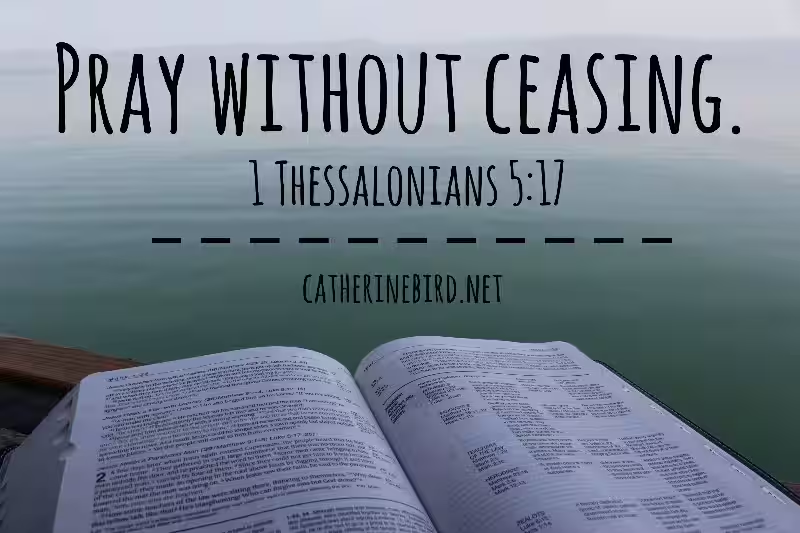
In a world that often feels frantic and overwhelming, finding rest in God can seem like a distant dream. However, this profound sense of peace and tranquility isn’t a mystical experience; it’s an active, ongoing process of aligning our lives with divine will. Resting in God isn’t about ceasing all activity, but rather finding a deeper, more fulfilling sense of purpose and connection within a relationship with the divine. This involves understanding our own limitations and relinquishing control to a higher power. It’s about recognizing that God is our ultimate source of strength and refuge, and we can find peace in leaning on Him.
The concept of resting in God is deeply rooted in many faith traditions. It’s about recognizing the divine presence in our daily lives, appreciating the small moments, and acknowledging that God is actively involved in our journeys. Imagine a weary traveler finding solace in a familiar inn, knowing the journey is safe in the hands of a caring host. That sense of trust and surrender is the essence of resting in God. It’s a journey of growth and trust that involves recognizing our dependence on God and seeking His guidance in making choices.
Naturally, we all crave rest. This desire for peace and quiet isn’t a uniquely spiritual concept but a fundamental human need. Rest in God can be accessible through everyday practices that foster a sense of connection and gratitude. Think about moments of quiet contemplation, where we pause to reflect on the beauty around us or simply appreciate the gift of this moment. These moments are opportunities to connect with the divine. Meditation, prayer, and spending time in nature are all common ways to nurture this connection. The key is to recognize these moments as opportunities for spiritual nourishment, not just as a break from the routine.
A crucial part of this natural process is acknowledging that rest in God is not a destination but a journey. It’s like a long hike; there will be challenging climbs and moments of exhaustion. The journey requires patience and endurance. Imagine a hiker who acknowledges the difficulties ahead and trusts the guidance of a map or a guide. This trust and reliance on something greater than ourselves is essential for rest in God. It’s found in the acceptance of our imperfections and the belief that God’s grace is sufficient. This journey is about embracing the present moment and trusting in a higher power for guidance.
Cultivating a Relationship with God for Rest
Building a relationship with God is a crucial component of finding rest. It’s about nurturing a dialogue, whether through prayer, meditation, or simply quiet contemplation. This relationship isn’t about checking off tasks on a list, but about creating a space for deep conversation. For example, reading scripture, attending religious services, or engaging in community worship can significantly strengthen this connection. Finding a supportive community can also foster a sense of belonging and shared experience, and it is through these relationships that we can find solace and encouragement.
Open communication with God is a significant element of this practice. Sharing our joys, sorrows, fears, and hopes with God can foster a deep sense of connection and understanding. We can feel heard and supported in our vulnerabilities. This can manifest in various ways, including journaling, spending time in nature, or simply talking to God aloud. It’s important to listen actively to God, too. Learning to discern God’s guidance through reflection, intuition, and the experiences of others is paramount. These interactions become pathways towards spiritual rest.
Overcoming Obstacles and Finding Peace in Uncertainty
Life often throws unexpected challenges our way, making it difficult to find rest. Doubt, fear, and uncertainty can disrupt our sense of peace and security. It’s during these times that trust in God is truly tested. Imagine a ship navigating a storm; relying on a skilled captain is essential for survival. Similarly, turning to faith during challenging times is a key part of finding rest. By seeking guidance and comfort in God, we can find the strength to navigate our difficulties. Often, these challenges are opportunities for growth and deeper understanding of God. We are not alone in our struggles.
Acceptance and forgiveness are essential elements in finding peace. There may be times when we feel overwhelmed by our past actions or the actions of others. Recognizing the need to forgive ourselves and others is crucial for achieving a sense of peace. Forgiveness allows us to release burdens and move forward. This doesn’t mean condoning harmful actions, but it does mean finding inner peace by letting go of resentment. Imagine letting go of a heavy stone. The act of letting go, of releasing our burdens, brings a sense of lightness and freedom, allowing us to find rest.
Conclusion: Embracing the Journey of Rest
Finding rest in God is a multifaceted journey. It’s not a destination but a continuous process of growth and faith. It involves cultivating a relationship with God, acknowledging our limitations, and embracing the imperfections of the human experience. We can find peace in surrendering to God, knowing that He is our ultimate source of strength and grace. The key to this journey is a willingness to embrace change, a willingness to reflect, and a commitment to deepening our faith.
Ultimately, resting in God is a choice. We choose to trust in His guidance, to acknowledge His presence in our lives, and to surrender to His will. By embracing this journey, we find a profound sense of inner peace and tranquility that transcends any external hardship. We find the rest we crave in our connection with something greater than ourselves, and this is a path worth pursuing.
Frequently Asked Questions
How do we rest in God?
Resting in God involves surrendering to His will, trusting in His promises, and relying on His strength. It’s about releasing anxiety and worries, knowing that God is in control and cares for you. It’s a conscious choice to relinquish self-reliance and embrace His peace.
What does religion have to do with resting in God?
Different religions offer various practices and perspectives on resting in God. These often include prayer, meditation, acts of service, and studying religious texts to deepen understanding and connection with the divine. The specifics of how to rest in God may vary across traditions, but the core principle of trusting and relying on a higher power remains consistent.