Embarking on a journey to understand the Bible can feel daunting, like navigating a vast and ancient landscape. But with the right approach, this sacred text can become a source of wisdom, inspiration, and connection, not just a collection of stories. The best way to study the Bible for beginners is to approach it with a curious mind, an open heart, and a willingness to learn. Don’t feel overwhelmed; simply start with a few simple steps. Instead of trying to grasp everything at once, focus on understanding one small part at a time. This incremental approach will make the whole experience more manageable and meaningful.
Imagine the Bible as a beautifully crafted tapestry woven with threads of history, poetry, prophecy, and love. Understanding the context and purpose of each thread is crucial to grasping the overall design. Active engagement in your study is fundamental. Don’t just passively read the text; ask questions, reflect on the words, and connect them to your own life. This journey of discovery fosters a deeper understanding and appreciation for the message within.
The Bible isn’t a single book; it’s a collection of books, each with its own unique style and purpose. Familiarizing yourself with the different genres—like historical accounts, parables, poetry, letters, and prophecy—will greatly enhance your comprehension. For example, understanding that the book of Psalms is a collection of poems and hymns will help you appreciate its emotional depth rather than trying to read it as a historical narrative. Key genres include:
Historical accounts: These books, like Genesis and Exodus, narrate significant events and figures.
Poetry and Wisdom Literature: Books like Psalms and Proverbs offer profound insights into life’s complexities.
Prophetic books: These books contain messages of hope, warning, and promises.
Recognizing these different genres will allow you to approach each section with the appropriate mindset. This understanding will prevent frustration and help you appreciate the diverse beauty of the Bible. Remember, this isn’t about memorizing names and dates, but about understanding the messages and values embedded within each story.
Finding the Right Resources for Your Journey
There is an abundance of resources to help you on your journey. Choosing the right study aids is critical. This might include commentaries, study Bibles, and online resources. Consider these resources when starting:
Study Bibles: These Bibles offer helpful annotations and explanations that illuminate the text.
Commentaries: These provide in-depth analyses of specific passages or books.
Online resources: Websites and apps dedicated to biblical study often provide helpful tools and insights.
Don’t be afraid to explore different resources to find what resonates with you. Experiment with different tools and methods until you discover a style that enhances your understanding. For beginners, using a study Bible as your primary resource is a fantastic starting point. It provides context, explanations, and connections within the same text, making it easier to understand the passage within its historical and literary context.
Developing Your Own Personal Study Habits
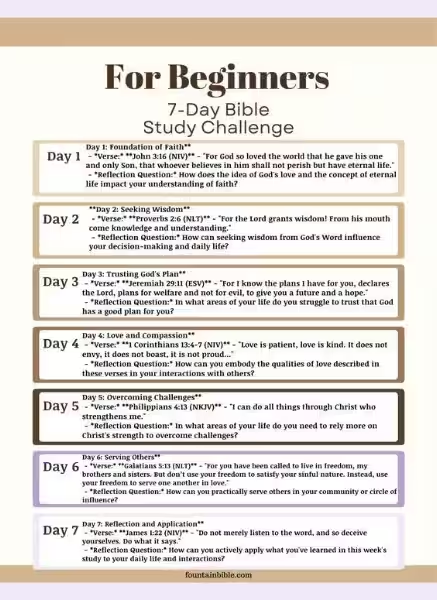
The best way to study the Bible for beginners inherently involves creating a personal routine. Consistency is key. Try these strategies: Set aside dedicated time each day or week to read and reflect on the scriptures. Make notes in a journal to record your thoughts, questions, and insights. Engage in prayer and meditation. These tools help you form a deeper connection with the text, turning your study into a personal conversation with God. Simple daily reading, even just 15 minutes, coupled with reflection, will greatly enhance your comprehension. This personal engagement is crucial for internalizing the message and applying it to your life.
Remember, your personal study habits are as unique as you are. Experiment with different approaches, such as reading aloud, highlighting key passages, or using different study methods. The goal is to find a strategy that works for you and that fosters a meaningful connection with the Bible. Make it a habit, and you’ll find the Bible becomes much more alive and meaningful to you.
Connecting the Bible to Your Life
Ultimately, the best way to study the Bible for beginners isn’t simply about memorizing verses or understanding historical context. It’s about applying its teachings to your daily life. Consider how the principles and values in the Bible can guide your decisions and interactions with others. Ask yourself these questions: How can these teachings help me in my relationships? How can I apply these principles to my work or my personal goals? What are the lessons I can learn that can help me in my daily life?
Seek out opportunities to live out the values of the Bible. This could involve acts of kindness, forgiveness, or compassion in your interactions with others. By actively applying the lessons to your life, you’ll find that the Bible becomes more than just a book of stories; it becomes a living guide for your journey. You will discover that understanding the Bible is not just an intellectual exercise, but a transformative experience.
Frequently Asked Questions
What’s the best way to study the Bible for beginners?
Start with a good translation, like the English Standard Version or the New International Version. Focus on one book or a few chapters at a time. Read slowly and carefully, looking up unfamiliar words. Use study Bibles, commentaries, or online resources to help understand the context and meaning. Consider joining a Bible study group or finding a mentor to guide your journey.
Religion is a set of beliefs and practices related to the supernatural, often involving a deity or deities. It typically includes rituals, ceremonies, and ethical codes that guide adherents’ lives and their relationships with others and the divine.