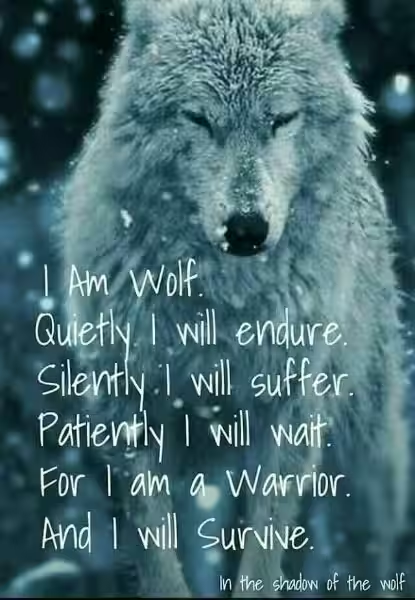
The wolf, a creature often associated with ferocity and danger, appears surprisingly frequently in the Bible. More than just a symbol of wildness, the wolf holds a complex set of meanings, often interwoven with themes of judgment, destruction, and renewal. These appearances highlight the multifaceted nature of the biblical narrative, where images and metaphors are often layered to convey deep spiritual truths. Exploring the wolf’s presence in Scripture reveals a nuanced perspective beyond its purely animalistic qualities. We’ll see how the wolf’s image reflects God’s actions and the human condition.
The frequent portrayal of the wolf in the Bible isn’t accidental. The wolf’s fierce nature naturally evokes a sense of danger and instability, reflecting the potential for chaos and destruction. Consider the imagery of a wolf attacking a flock of sheep: it depicts the vulnerability of the innocent and the devastating impact of evil. This scenario can be mirrored in the human world, where individuals or groups are preyed upon by those with malicious intent. The wolf, therefore, serves as a powerful symbol of the threats that exist in the world, both visible and invisible.
In some biblical passages, the wolf appears as a symbol of God’s judgment against disobedient or unfaithful people. This interpretation links the wolf’s predatory nature to a divine act of confronting wrongdoings. For example, the Israelites’ transgression often attracted God’s wrath, which, in metaphorical terms, could manifest as a “wolf” devouring their prosperity or security. Think of how a natural disaster or societal upheaval might be interpreted as a devastating encounter with the metaphorical “wolf.”
Other examples can be found in prophesies, where wolves attacking cities or nations foreshadow the consequences of disobedience. This symbolic language is particularly prevalent in passages that speak about the end times or the purification of a society. The wolf is a stark reminder that divine intervention can be harsh and unavoidable when moral standards are compromised. For instance, a nation that neglects the vulnerable will, metaphorically speaking, face a “wolf’s attack.” Examples of such judgment can range from plagues to social unrest.
The Wolf and the Shepherd: Contrasting Roles
In contrast to these negative portrayals, the wolf also appears in the context of faith and protection. Often, the image of the shepherd confronting the wolf stands in stark opposition. The shepherd symbolizes God’s protection and care for his people. The wolf, in this scenario, represents the corrupting forces that seek to harm and destroy. This duality highlights the ongoing struggle between good and evil, where God’s love is pitted against the forces of oppression. This is a powerful analogy that resonates even today.
Biblical shepherds, like those mentioned in the book of Ezekiel, represent God’s guidance and care. These shepherds are meant to protect the weak and helpless, much like a shepherd protects a flock of sheep from wolves. In this interpretation, the wolf becomes a threat to the shepherd’s mission. It’s crucial to recognize that the shepherd’s role is not merely to protect sheep from physical attacks, but also to guide them spiritually. The appearance of the wolf, therefore, could represent a spiritual attack on the shepherd, or even on the community.
The Wolf’s Transformation in the Biblical Narrative
The symbolism of the wolf evolves across the different books and eras of the Bible. Initially, it might symbolize the destructive forces of judgment. Yet, as the narrative unfolds, the wolf’s role may transition to a symbolic representation of the challenges and struggles that faith faces. This versatility in interpretation allows for a deeper understanding of the complexities of the human journey. As stories progress, the wolf might become an opportunity for growth or a catalyst for spiritual awakening. This means there are multiple facets to the wolf’s meaning depending on context. For example, a wolf could represent a personal struggle or an external threat during a specific moment in someone’s life.
Ultimately, the wolf, in its biblical appearances, provides a powerful framework for understanding the tension between destruction and salvation. From a practical perspective, it’s a reminder that danger often coexists with the potential for transformation. The wolf’s presence, regardless of its specific meaning, reminds us of the complexities of life and the importance of faith in the face of adversity. The wolf continues to act as a prism through which we can examine the themes of judgment, protection, loss, and growth. This allows us to contemplate the broader issues of societal and personal struggles. For example, the image of a wolf could prompt reflection on how we face the challenges of our lives.
Frequently Asked Questions about Wolves in the Bible and Religion
Is there mention of wolves in the Bible?
While the word “wolf” isn’t explicitly used in the Bible, animals symbolic of wolves, like wild beasts, are mentioned. These references are typically used in a negative light, representing danger, savagery, and the destructive nature of sin.
The symbolism of wolves varies across religions. Generally, they represent both destructive tendencies and untamed primal forces. In some interpretations, they can also symbolize the dangers of temptation and sin.
Are there any specific religious texts that discuss wolves?
While not explicitly about wolves, the Old Testament and other religious texts often use imagery of wild animals, including those with characteristics similar to wolves, to convey moral lessons and warnings about the potential for evil.
How do different religions view wolves?
Views on wolves often vary between religions and cultures. Some may see them as a symbol of nature’s untamed power, others as a cautionary example of destructive forces. There isn’t a universally agreed-upon religious interpretation.
Do wolves have any positive symbolism in religion?
Generally, wolves don’t hold positive symbolism in religious texts. Their imagery is more often used to represent negative aspects such as savagery, danger, and the consequences of sin. However, variations can exist depending on the specific culture and interpretation.