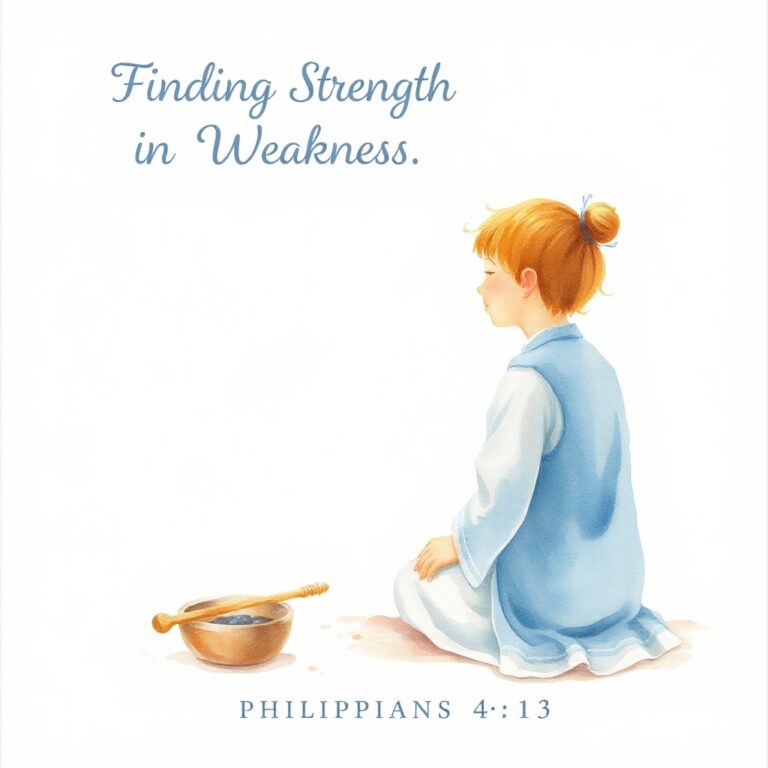
What Does "Blessed Are Those Who Mourn" Really Mean?
What Does "Blessed Are Those Who Mourn" Really Mean?
This powerful phrase, part of the Beatitudes in the Sermon on the Mount, often sparks curiosity and debate. It's not a simple declaration of happiness for those expressing sadness; instead, it's a profound statement about the nature of true blessing in the face of adversity. Understanding its meaning requires delving into the context of the Sermon on the Mount and exploring the various ways mourning can lead to spiritual growth and profound joy. We will be exploring the different types of mourning and how they connect to the promise of blessing. It's a journey of self-reflection and understanding, encouraging you to connect the seemingly paradoxical relationship between sorrow and spiritual well-being.
The Beatitudes, a series of pronouncements beginning with "Blessed are...", offer a vision of the righteous character, not just in the afterlife, but in the present. The concept of blessing isn't a simple reward system; rather, it's a description of the inherent happiness associated with certain ways of living. This means that the "blessing" isn't a supernatural reward, but a natural consequence of aligning our lives with these principles. For example, consider a person who grieves the loss of a loved one; this grief, if channeled properly, can lead to a deeper appreciation for life and stronger bonds with other people, which can be considered a form of blessing. Finding this connection, this path to happiness in times of sorrow, is the key to understanding this Beatitude.
The term "mourn" in this context doesn't necessarily mean overt, public displays of grief. Instead, it encompasses a wider range of emotions, including sadness, disappointment, and a sense of loss. This can include the loss of a job, a dream, a relationship, or even the loss of innocence due to life's inevitable challenges. The mourning referenced here is a deep introspection into life's trials and disappointments. This process is crucial for spiritual growth. For instance, a young adult might mourn the passing of their childhood dreams; that mourning can lead to a more realistic, meaningful life path.
Crucially, this mourning isn't meant to be wallowing in negativity. It's about acknowledging the pain, understanding it, and using that understanding as a springboard for change and growth. This inward journey allows for profound change and the potential to see the world with new eyes. It's a process of confronting the difficult parts of our lives and using them to become more empathetic, compassionate, and ultimately, more blessed. Imagine a person who experiences a major life setback and chooses to use the pain to become more resilient and understanding—this is the kind of "blessed mourning" referenced.
The Connection to Spiritual Growth and Joy
While mourning may seem painful, the Beatitude suggests that embracing it can lead to a deeper spiritual understanding. This understanding comes from acknowledging the pain, processing it, and gleaning insight from the experience. Imagine a person grieving the loss of a loved one; by allowing themselves to grieve, they can more fully appreciate the strength of their remaining relationships. This process also creates a pathway to develop a stronger, more empathetic character. This is not about forgetting the loss, but about learning from it and finding a way to move forward.
Examples of this spiritual growth include increased empathy, compassion, and a renewed appreciation for life and the people in it. Imagine a person who is mourning the loss of their financial security. Through this process of mourning, they may discover a newfound appreciation for the importance of self-reliance and resilience. This process of mourning, if channeled correctly, can be transformative. The key is recognizing that this mourning is not a permanent state, but rather a stage on the path to a fuller, more profound understanding of life's complexities. This understanding is the very essence of the blessing described in the passage.
The Practical Application of “Blessed Are Those Who Mourn”
The concept of being "blessed" in the context of mourning isn't about feeling happy in the midst of sadness but recognizing the potential for growth that comes from embracing hardship and loss. This means acknowledging the pain and discomfort without avoiding it. It's about embracing the full spectrum of human experience, recognizing that difficulty can be a catalyst for personal and spiritual development. We can apply this in various areas of life, from dealing with setbacks to simply acknowledging our imperfections. Think of a person who is struggling with a chronic illness. Mourning the loss of their previous lifestyle can lead them to discovering inner strength and a profound connection to others sharing similar experiences.
In a nutshell, the Beatitude "Blessed are those who mourn" encourages us to find the good in the difficult moments of life – to look beyond the pain and see the opportunity it provides for growth. This is not about ignoring our pain or finding joy in misery, but about understanding that even in the deepest sorrow, there is the possibility for a deeper connection with ourselves and the world around us. It is about finding the blessing in the midst of the struggle. This is a testament to the resilience of the human spirit and the ability to find peace and progress in the face of adversity.
Frequently Asked Questions
What does "Blessed are those who mourn" mean?
This phrase, part of the Beatitudes in the Christian Bible (Matthew 5:4), speaks to a blessedness found not in worldly joy, but in recognizing and accepting suffering. Mourning, in this context, often refers to sorrow over sin, loss, or the imperfections of the world. The blessing lies in the acknowledgment of these things, the willingness to confront them, and the hope offered in faith and spiritual growth.
This quote is from the Christian Bible, specifically the Gospel of Matthew.
Why are those who mourn blessed?
The blessing isn't in escaping sadness, but in finding strength and purpose through it. Mourning can lead to a deeper understanding of oneself and the world, fostering empathy, compassion, and a stronger connection to something greater than oneself.