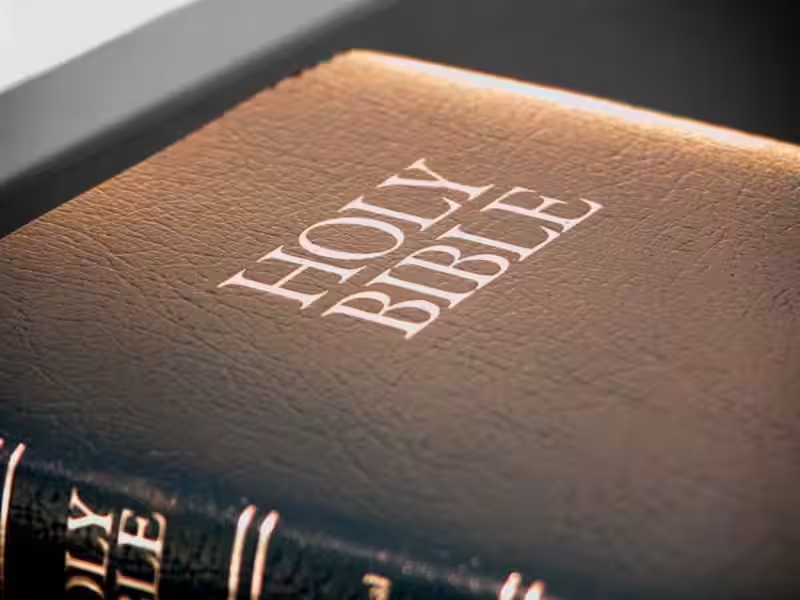
In a world often marked by compromise and indifference, the courage to stand for what’s right is a powerful virtue. The Bible, brimming with stories of individuals who faced opposition for their beliefs, provides a compelling framework for navigating these challenging situations. Courage, rooted in faith, is not about being aggressive or confrontational, but about upholding truth and justice, even when it’s uncomfortable. This article explores how biblical principles can guide us in standing up for what’s right, drawing from various biblical texts and offering practical application.
Standing up for what’s right is a core tenet of many religions, and the Bible is no exception. The ability to stand against injustice, to challenge the status quo, and to defend the vulnerable is consistently emphasized. This isn’t about seeking personal glory, but about honoring God’s call to righteousness. It’s about recognizing that our actions have consequences, and choosing to act in accordance with God’s will, even when it’s difficult. Ultimately, it’s about living a life that reflects the love, justice, and compassion exemplified by Jesus Christ. We see this reflected in many stories, including those of the prophets, who often challenged the powerful and spoke truth to power. For example, consider the prophet Jeremiah, who boldly condemned the sins of his people, even facing persecution for it.
Righteousness, a central theme in the Bible, is far more than simply avoiding sin. It’s about actively pursuing justice, compassion, and integrity in all aspects of our lives. This includes standing up for the oppressed, defending the vulnerable, and speaking truth to power. Consider how often we see characters in the Bible speaking out against the corrupt or against unjust laws, reflecting this ideal. For example, consider the parable of the Good Samaritan – it showcases the importance of compassion and acting on behalf of those in need.
Righteousness isn’t a passive virtue. It demands action. It’s about recognizing injustice and intervening to rectify it. We see this in the stories of Moses leading the Israelites out of slavery and in the actions of the early Christians, who faced persecution for their faith. Righteousness isn’t about self-righteousness, but about aligning our actions with God’s principles of love, compassion, and justice. Examples include the prophets speaking out against idolatry or the rich man who realized he needed to give away his wealth to follow God’s call. These actions aren’t just about following rules, but about seeking a deeper relationship with God and a more just world.
Identifying the Different Forms of Wrongdoing
Recognizing injustice is the first step in standing up for what’s right. However, it is critical to discern the different forms of wrongdoing. Sometimes, the wrongs are obvious – like blatant discrimination or violence. Other times, they are more subtle, like the insidious effects of inequality or the erosion of ethical standards. It’s crucial to analyze the situation, understanding the motivations and impacts of the problem. This means seeking to understand the context, not just reacting emotionally. Identifying the different types of struggles can include: social injustices, environmental issues, and even personal conflicts. This doesn’t always involve large-scale issues. It can be something more local, like a classmate being bullied. It requires consideration and discernment. Recognising that each situation requires a different approach is paramount.
Misconceptions around standing up for what’s right often include thinking it’s only for those with a loud voice or strong position. While these can be helpful, any action to promote justice, no matter how small, can make a difference. The Bible often emphasizes the importance of humility and gentleness, highlighting that standing for what’s right doesn’t necessitate confrontation. It can be as simple as offering kindness to someone who is being mistreated or advocating for a cause that aligns with your values. We see this in the actions of everyday people who raise their voices against injustice, even when it requires immense courage.
So, how can we translate biblical principles into practical actions? Prayer and reflection are essential first steps. Asking God for guidance and wisdom is crucial in understanding how to respond to a particular situation. Study the scriptures to understand God’s perspective on the issue. Seek counsel from trusted mentors or community leaders, who can offer insight and support. Crucially, don’t isolate yourself. Lean on your support system, whether it’s family, friends, or your church community. This is often a journey, not a singular act.
Consider the impact of your actions. How will your actions affect the situation? What are the potential consequences, both for you and for others? It’s essential to act with wisdom, considering all factors involved. Building relationships with those who are experiencing the injustice is vital. Listening, understanding, and empathizing are often the first steps in creating positive change. It’s about working together with others, rather than acting alone. This could involve contacting a local politician or participating in a peaceful protest. Finding ways to contribute to a solution, even small ones, can create a ripple effect of positive change, reflecting the love of God in action.
Standing up for what’s right is a journey, not a destination. It takes courage, discernment, and a deep commitment to God’s principles. Drawing strength from the Bible’s rich tapestry of stories, we can find the guidance needed to navigate these challenges. Remembering that standing for what’s right often involves a willingness to sacrifice or face opposition, reminds us that this is a path that requires steadfastness and faith. It’s not always easy, but it’s always rewarding. The rewards of standing for what’s right include the satisfaction of knowing you’ve acted with integrity, the strengthening of your faith, and the opportunity to make a positive difference in the world.
Ultimately, the Bible’s message is clear: standing up for what’s right is not just a religious ideal; it’s a call to action for all of us. By drawing strength from scripture, and by acting with faith, love, and courage, we can make a difference in our communities and in the world around us. Living by God’s principles and seeking to improve the world are inextricably linked. The Bible is not just a collection of stories, but a guide for living a meaningful and impactful life.
What are some Bible verses about standing up for what’s right?
Many verses address righteousness and justice, including:
Proverbs 29:7: “The righteous are bold as a lion”
Micah 6:8: “He has shown you, O mortal, what is good. And what does the Lord require of you? To act justly and to love mercy and to walk humbly with your God.
Matthew 5:16: “In the same way, let your light shine before others, that they may see your good deeds and glorify your Father in heaven.”
Galatians 5:1: “It is for freedom that Christ has set us free. Stand firm, then, and do not let yourselves be burdened again by a yoke of slavery.”
How does religion influence standing up for what’s right?
Different religions emphasize varying aspects of righteous conduct. Many religions promote compassion, justice, and the upholding of moral values, which can inspire individuals to stand up for what they believe is right. The specific actions and interpretations of these principles vary considerably between individuals and denominations.
What are the potential conflicts between religious beliefs and standing up for what’s right?
Religious texts and interpretations can sometimes be at odds with contemporary societal norms or individual interpretations of justice. Conflicting perspectives can arise when religious doctrines clash with perceived human rights or social progress. A willingness to thoughtfully engage with diverse viewpoints and critically assess one’s own beliefs is crucial in navigating these situations.