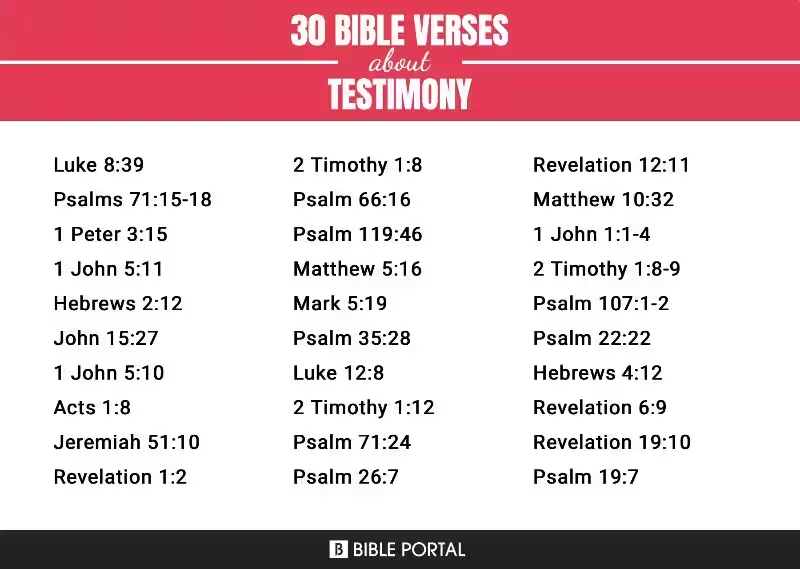
We all have experiences that shape our worldview, beliefs, and actions. In many religions, these experiences, especially those related to faith and spiritual encounters, are referred to as testimonies. These testimonies aren’t just personal anecdotes; they’re often the foundation for faith, community, and a deeper understanding of the divine. They can be quiet moments of reflection, profound moments of revelation, or shared experiences that resonate with a group.
Testimony is more than just saying you believe. It’s about demonstrating a life lived in accordance with those beliefs and sharing the experiences that have shaped that life. For example, witnessing a miraculous healing, feeling a profound sense of peace after prayer, or observing the fulfillment of a prophecy can all be powerful testimonies. These experiences often lead to a profound transformation in the individual, impacting their relationships, choices, and overall perspective.
Religious testimonies are often deeply personal and varied. They can be fueled by personal experiences or inspired by narratives and stories from religious texts. For example, a member of a faith community might share their experience with a community service project that led to a greater sense of purpose and connection. Such testimonies can inspire others to seek similar experiences. In essence, testimony is a powerful form of communication and connection. It can also include a sense of commitment to a particular spiritual path. These shared experiences are often foundational to a community’s identity and growth.
The nature of testimony often varies across different religious traditions. Some religions emphasize personal experiences and direct encounters with the divine, while others focus more on communal experiences and the study of sacred scriptures. For instance, in some traditions, a miracle experienced by one person can become a testimony shared widely within the community, strengthening their collective faith. There are also testimonies about the impact of religious teachings on personal growth and transformation.
Many scriptures contain powerful stories of testimony. Consider the Book of Mormon, which recounts the testimonies of ancient prophets. These accounts highlight the power of personal experience in shaping faith; these stories are often crucial aspects of religious tradition and development. These accounts build faith and teach doctrines of truth. For example, the stories of Moses parting the Red Sea or Jesus healing the sick are testaments to divine power, offering hope and guidance.
Many texts also feature stories of individuals who shared their testimonies. These testimonies often served to strengthen the faith of others in the community. For example, in the New Testament, the disciples recount their experiences with Jesus, and their faith is demonstrated in their actions and shared witness. This sharing of personal experience with others is a common aspect of faith-based communities. Furthermore, the act of sharing one’s testimony can be a form of worship and engagement with faith. These stories reflect the importance of sharing one’s experience with others.
Applying Testimony in Daily Life
The concept of testimony can be applied in various ways in daily life. Our own personal experiences and observations can be powerful testimonies about the effectiveness of prayer, meditation, or community service. For example, someone may testify about how daily prayer has brought them peace and resilience in challenging times. Sharing these experiences with others can offer encouragement, support, or inspiration. This can be as simple as sharing how a particular spiritual practice has positively affected your day-to-day life.
Testimonies can be catalysts for change and growth in personal lives, fostering community and inspiring others. Sharing experiences can help create a deeper sense of connection with others who share similar values and beliefs. This can lead to a greater sense of community. By sharing testimonies, we invite others to consider how they might find their own truth. For instance, a testimony about overcoming a personal challenge can offer valuable insights to others facing similar struggles.
Frequently Asked Questions
What scriptures discuss testimony?
Many religious texts contain passages about testimony, faith, and personal experience. Specific examples vary depending on the religion.
What is the role of testimony in religion?
Testimony often plays a crucial role in religious life, fostering belief, community, and spiritual growth. It can involve personal experiences, shared experiences, and the acceptance of established doctrines.
How does testimony differ across religions?
Different faiths emphasize different aspects of testimony. Some focus on personal revelation, others on communal affirmation, and still others on the historical nature of religious tradition.
What are some common misconceptions about testimony in religion?
Misconceptions might include equating testimony with proof, believing all testimony is equal, or considering personal experiences superior to established teachings.