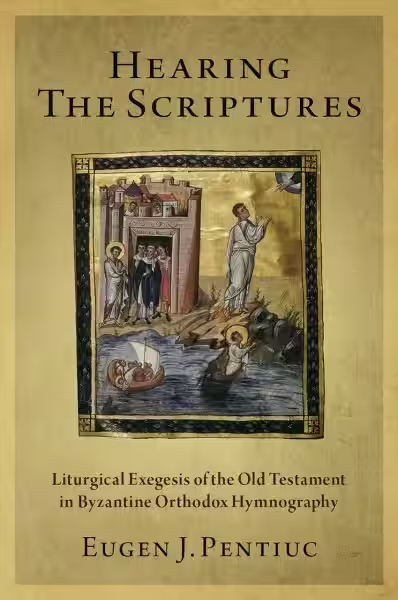
In the tapestry of human experience, the concept of God has served as a source of solace, inspiration, and spiritual guidance for countless generations. Across numerous faiths and scriptures, narratives emerge that highlight the profound magnificence and majesty of the divine. These scriptures, often revered as sacred texts, offer a glimpse into the nature of God and the immense love He bestows upon His creation. They provide a roadmap for a life lived in accordance with principles that promote peace, justice, and harmony.
Exploring these scriptures is not simply about memorizing verses; it’s about connecting with a powerful narrative that shapes our understanding of the world and our place within it. It’s a journey of self-discovery, a quest to uncover the answers to fundamental questions about existence. Ultimately, it’s about developing a deeper relationship with the divine, fostering a connection that transcends the boundaries of time and space. This exploration can lead to a profound sense of awe and reverence for the power and wisdom of God. (Psalm 19:1)
Different Religions, Different Scriptures: A Global Perspective
Different religions offer various perspectives on God and His nature. Christianity, for instance, emphasizes the Trinity (Father, Son, and Holy Spirit) as a profound concept of God’s being. Within the Bible, numerous passages highlight God’s omnipotence, omnipresence, and omniscience. This concept can be particularly meaningful in times of trial or doubt, offering comfort and assurance in God’s unwavering presence. (Mark 12:29)
Islam, with the Quran as its central scripture, portrays God as the One and Only, Almighty and Merciful. The Quranic verses often emphasize God’s attributes of compassion, justice, and love. This understanding can inspire Muslims to act with compassion and empathy towards others, reflecting God’s own qualities in their daily lives. (Quran 2:163)
These examples illustrate how the concept of God, though sometimes articulated differently across diverse traditions, often centers on ideas of compassion, justice, and wisdom. This common thread highlights the shared human experience of seeking connection and meaning. Each scripture, in its own unique way, offers a platform to engage with the divine and explore a profound relationship with God. (Psalm 100:4)
Key Attributes of God Revealed Through Scriptures
Scriptures often reveal a rich tapestry of God’s attributes. These attributes help us understand the divine nature and how it relates to our lives. For example, scriptures often emphasize God’s omnipotence, meaning God’s absolute power and control over everything. This concept can provide comfort and reassurance during difficult times, reminding us that God is in control of the universe and will ultimately see us through any challenge. (Jeremiah 32:17)
Other key attributes include omnipresence, meaning God is everywhere at once; omniscience, meaning God knows everything; and omnibenevolence, implying God’s infinite goodness and love. These qualities, when understood and internalized, can foster a deep sense of connection with the divine and inspire us to live more meaningful lives. These attributes allow us to see God’s unwavering love and care for us, leading to greater trust and faith. (Psalm 139:7-12)
Finding Meaning and Purpose in Scripture-Based Beliefs
Ultimately, engaging with scriptures that exalt God isn’t just about intellectual understanding; it’s about connecting with a profound spiritual journey. This journey leads us to discover a deeper sense of purpose in our lives. The stories and teachings within these sacred texts provide insights into the human condition, offering guidance on how to navigate life’s challenges and triumphs with a sense of purpose and direction. This is how people find meaning and hope in their lives. (John 10:10)
By studying and reflecting on these scriptures, individuals can develop a stronger relationship with their faith, strengthening their moral compass and inspiring them to live more virtuous lives. This journey can empower us to live in accordance with values that promote love, compassion, and understanding. There are numerous paths to connection and belief, each unique and valid, offering diverse ways to engage with the divine and discover one’s place in the universe.
Conclusion: Embarking on a Personal Journey of Faith
The scriptures, in their multitude of forms and expressions, offer a profound opportunity to explore and understand the nature of God. This journey of faith is a deeply personal one, fostering a connection that transcends personal experiences and offers a lasting sense of hope and purpose. By engaging with these scriptures with an open heart and mind, we can discover a deeper understanding of ourselves, our world, and the divine. (1 Thessalonians 5:18)
Embrace the journey with an open mind and heart. Let the scriptures be a light guiding you towards a deeper relationship with God. Let the messages of hope, love, and guidance in these sacred texts fuel your spiritual growth and bring you a sense of connection, meaning, and peace. (Psalms 36:9)
Frequently Asked Questions
What scriptures exalt God?
Many scriptures from various religions praise and glorify God. Examples include the Psalms in the Hebrew Bible, the hymns in the Christian Bible, and the various scriptures of Islam. Each religion has its own specific texts considered sacred and exalting to the divine.
What is religion?
Religion is a cultural system of beliefs, practices, and worldviews that relate humanity to spirituality and moral values. It often involves a set of rituals, ceremonies, and ethical guidelines. Different religions offer diverse perspectives on the nature of the universe, humanity’s place within it, and the path to a meaningful life.