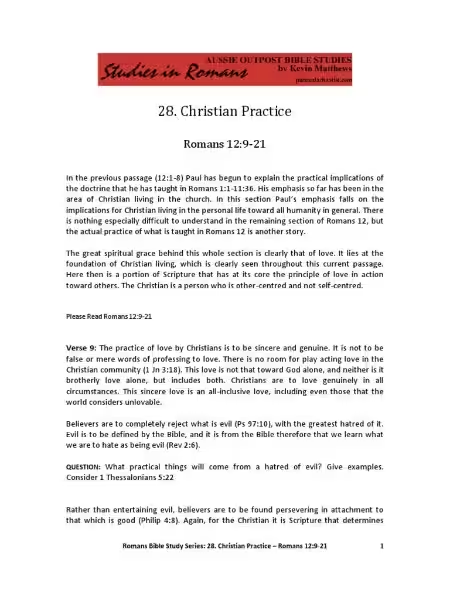
Romans 12 offers a profound and practical guide to Christian living, often overlooked in today’s fast-paced world. This chapter isn’t just about abstract theological concepts; it’s a blueprint for transforming our daily actions and attitudes. It speaks to the core of what it means to live a life pleasing to God, grounded in the love and grace we receive through Christ. Understanding its message allows us to move beyond simply acknowledging faith to actively living it out through tangible changes in our conduct.
This exploration of Romans 12 will delve into its key themes, helping you apply its principles to your own life. We’ll examine the passages that challenge us to reimagine our relationships, how this applies to our daily interactions with others, and most importantly, how these changes reflect a transformation from the inside out. We’ll also uncover how Romans 12 is a call for practical service and radical love—not just in the church, but in our everyday lives.
Understanding the Call to Transformation in Romans 12
Romans 12 emphasizes the importance of transformation, not just acceptance. It highlights that true faith isn’t a passive state but an active process. We are called to be recreated in the image of Christ, not to simply maintain our old ways. This transformation isn’t about perfection, but about growing in holiness and living in accordance with God’s will. Imagine a farmer who carefully cultivates his land to produce a bountiful harvest; this is the image we should have of ourselves. We are not static; we are always growing and changing.
This call to transformation is intimately linked to our relationship with God. God does not design lives that are static, but lives that are constantly growing and changing, mirroring his own constant work in the world. This constant transformation reflects our dedication to the Christian life. For example, recognizing our pride and humility allows us to change our reactions to others. The more we see how we need to change, the more we see how we need God’s grace to do so.
Specific Applications of Romans 12: Practical Steps for Change
Romans 12 offers specific guidance in several areas, including:
Spiritual gifts and their varied roles in the body of Christ.
Living in harmony with others, overcoming judgments, and loving one another.
Resisting evil, focusing on good, and living justly.
This is about reconciling our hearts with the principles outlined. We see, for instance, how our temper can be a source of conflict; Romans 12 shows us how to manage those emotions. This is not just for church settings but for our homes, workplaces, and communities. An example of this in action could be someone who previously reacted aggressively to criticism now responding with patience and understanding.
Applying these principles is a journey, not a destination. The process of transformation means acknowledging our shortcomings, seeking God’s grace, and actively working to change. We must continually seek guidance in scripture, prayer, and fellowship to effectively apply these principles. This may include seeking counsel from mentors, attending church, or engaging in meaningful conversations with other believers. These examples encourage a lifestyle of daily growth and change.
Embracing the Community in Romans 12: Building a Strong Foundation
Romans 12 highlights the critical role of the Christian community in fostering growth. We are called to support one another and build each other up in faith. A strong community offers accountability, encouragement, and a shared understanding of faith principles. Think of a team working together to achieve a common goal, each member contributing their unique skills. This is the power of a supportive faith community. This community is there to celebrate our success and support us in our struggles.
This communal aspect of faith isn’t simply about attending church services; it’s about fostering genuine relationships with fellow believers and encouraging each other. This means actively listening to one another, sharing our struggles, and extending compassion and empathy. This is particularly vital when encountering challenges. Romans 12 shows that our faith is stronger when we support one another, offering each other a safe space to grow.
Conclusion: Embarking on a Transformative Journey
Romans 12 is not a list of rules to follow; it’s a call to embrace a lifestyle of faith and to allow ourselves to be transformed by the grace of God. It’s a roadmap to navigate the complexities of life, grounded in love, humility, and service. By actively applying its principles, we can cultivate deeper relationships, build stronger communities, and experience a more fulfilling life in Christ.
Ultimately, Romans 12 is a call to action, urging Christians to actively engage in a life of transformation. This is about taking ownership of our inner lives and pursuing a life that demonstrates Christ’s love through our words and actions. So, embark on this incredible journey of growth and transformation by thoughtfully reflecting on the message of Romans 12 and allowing it to guide your path.
Frequently Asked Questions about Romans 12 Interpretation
What is the main message of Romans 12?
Romans 12 calls Christians to live transformed lives, reflecting God’s love and grace in their actions and attitudes toward others and themselves. It emphasizes a lifestyle of unity, service, and love, characterized by virtues like peacemaking, generosity, and rejoicing with those who rejoice.
Romans 12 offers a specific application of Christian principles to daily life. It emphasizes a lifestyle of transformed living, which can be seen as a model for how any person, regardless of religious affiliation, can strive to live a more ethical and compassionate life. The principles of love, service, and unity resonate across religious and non-religious contexts.
What does Romans 12 say about anger and how can it be applied?
Romans 12 instructs believers to “not be overcome by evil, but overcome evil with good.” Regarding anger, this implies not letting anger control us or fester. Instead, we should actively respond to injustice and wrongdoing with kindness, forgiveness, and reconciliation.
How should Christians respond to those who persecute or mistreat them?
Romans 12 urges believers to “bless those who persecute you; bless and do not curse.” This doesn’t mean passively accepting mistreatment, but rather actively choosing to respond with love and prayer, seeking to overcome evil with good.
What does Romans 12 say about living in the world?
Romans 12 encourages believers to live in harmony and peace with all people, not conforming to the patterns of this world, but being transformed by the renewing of their minds. This implies living a life that reflects the values and principles of God’s kingdom while engaging with the world around them.