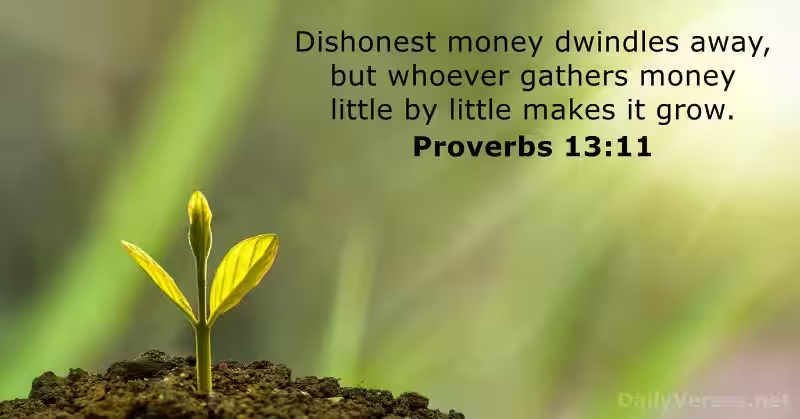
In the tapestry of human experience, navigating the complexities of finances and faith is a common thread. We grapple with earning, saving, spending, and ultimately, understanding our place in the grand scheme of things. Proverbs, those ancient nuggets of wisdom, offer a framework for this journey, guiding us through the often-turbulent waters of both material and spiritual wealth. The key is to understand that these aren’t rigid rules, but rather insightful observations about human nature and the choices we make.
Many believe that money and religion are fundamentally intertwined, often influencing our decisions in ways both subtle and profound. This connection is reinforced by the proverbs themselves. For example, the adage “A fool and his money are soon parted” highlights the importance of financial prudence, while “The love of money is the root of all evil” underscores the potential for greed to corrupt our spiritual compass. These proverbs speak to the delicate balance we must maintain between our material needs and our spiritual aspirations. Understanding this balance is crucial to a fulfilling life.
Financial prudence isn’t about deprivation, but about making informed choices. Proverbs offer valuable lessons in this area. “A penny saved is a penny earned” emphasizes the power of saving, encouraging us to see the long-term benefits of investing wisely. “Don’t count your chickens before they hatch” is a reminder to avoid excessive optimism, to be realistic about outcomes, and to avoid speculative investments.
Moreover, proverbs caution against reckless spending. “Don’t spend your money before you earn it.” reminds us of the importance of budgeting and saving. This is crucial for individuals and families alike. Consider a family struggling with debt: following the advice of these proverbs could be the difference between financial stability and continued hardship. Additionally, “Waste not, want not” speaks to a mindful attitude toward resources, fostering appreciation and preventing unnecessary spending.
Religious Perspectives on Financial Matters
Many religions offer guidance on managing finances. Christianity, for instance, often stresses the importance of tithing and giving to the needy, recognizing that material wealth is a gift to be shared. This reflects the proverb, “Give and it shall be given unto you”. Other faiths emphasize the importance of honest work and fair dealings, reflecting the proverb, “Honest labor brings forth a bountiful harvest”.
Religious teachings often link financial stewardship to spiritual growth. This is not about accumulating wealth, but about using it responsibly. A good example is the concept of investing in charities, which gives back to the community and fosters a more profound connection to spiritual values. Think about how a charity or church operates: Their financial success is directly linked to their ability to follow these principles.
The Interplay of Money and Faith
The connection between money and religion isn’t always straightforward. We often find ourselves caught in the crosshairs of our desires and our values. “Early to bed and early to rise, makes a man healthy, wealthy, and wise” is an example of how diligent work can lead to material success. But this success shouldn’t come at the expense of our spiritual well-being.
The proverbs act as a compass, guiding us toward a balanced perspective. Consider the conflict between material desires and spiritual needs. A person with a strong religious belief might choose to reduce spending on non-essentials and prioritize charitable giving. This demonstrates how faith can influence financial decisions. By understanding these principles, we can work toward a more harmonious existence.
Conclusion: Embracing the Wisdom of Proverbs
Proverbs about money and religion offer timeless wisdom, providing guidance for navigating the complexities of financial life and spiritual growth. They are adaptable tools; we can extract profound insights and use them to shape our own choices and attitudes. Ultimately, these proverbs encourage us to live intentionally, balancing our material needs with our spiritual values. For example, consider the proverb, “A good name is more precious than great riches.” This highlights that our reputation and moral character are more valuable than wealth.
Embracing this wisdom allows us to make informed choices that support both our well-being and our values. It’s about applying these principles to our day-to-day lives, understanding their significance, and fostering a richer, more meaningful life. The key, therefore, is to use these proverbs as a filter, allowing them to illuminate our journey and guide us toward a more fulfilling and balanced existence.
Frequently Asked Questions
What are some proverbs about money?
Saving a penny is like getting a penny. A penny saved is a penny earned. Money talks. A fool and his money are soon parted. Many hands make light work, but many mouths make light money.
What are some proverbs about religion?
Where there’s a will, there’s a way. Good things come to those who wait. A stitch in time saves nine. Look before you leap. Don’t count your chickens before they hatch. Haste makes waste. Honesty is the best policy. Actions speak louder than words.