We all seek strength, guidance, and a sense of belonging. For centuries, religion has provided these vital elements, often interwoven with proverbs and prayers. These age-old traditions offer profound insights into navigating life’s complexities, offering wisdom and comfort from generations past. Understanding their power can illuminate our present struggles and empower our futures. The wisdom of these traditions resonates deeply, offering solace in difficult times, and providing a framework for understanding our place in the world.
Think about times when you’ve felt lost or overwhelmed. Perhaps a proverb whispered by a loved one, or a prayer uttered in a moment of vulnerability, offered a much-needed sense of calm. These shared experiences, deeply rooted in faith and tradition, often contain a timeless truth. They offer tools to face challenges with resilience and perspective, and act as a framework for building a life with meaning and purpose.
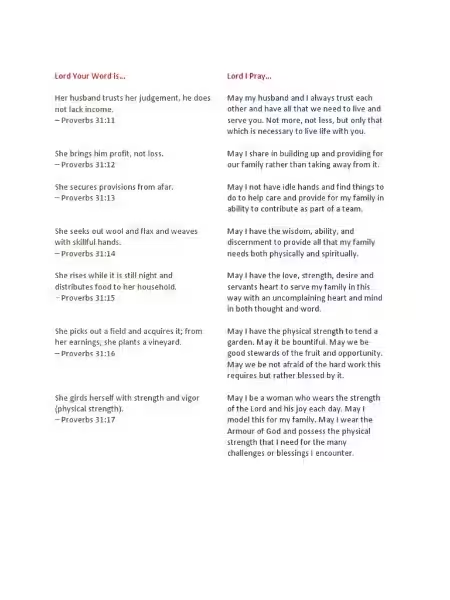
Proverbs, like tiny seeds of wisdom, are embedded within the very fabric of many cultures. They are distilled life lessons, passed down through generations. These succinct sayings often capture profound truths about human nature, relationships, and the world around us. “A stitch in time saves nine,” for example, teaches the importance of proactive problem-solving. “Look before you leap” cautions against impulsive actions. The collective wisdom embedded in these proverbs is a priceless inheritance that continues to offer valuable guidance.
These proverbs are not just statements; they are often deeply connected to religious beliefs. They reinforce moral values and ethical principles. Think of the proverb “Honesty is the best policy.” This simple maxim, prevalent across many cultures and religions, emphasizes the importance of integrity and ethical conduct. In many religions, honesty is a cornerstone virtue, frequently emphasized in prayers and teachings. “Do unto others as you would have them do unto you” is another perfect example, a principle that resonates across major faiths.
Prayers, in their many forms, represent a powerful connection to something larger than ourselves. They are a means of communication with the divine, a way of expressing gratitude, seeking guidance, and asking for help. Whether spoken aloud or whispered in the quiet solitude, prayers offer a moment of reflection and connection. Praying can provide a sense of purpose, a source of comfort, and a pathway to inner peace. Silent prayers and vocal prayers can both be effective methods of communicating with a higher power.
A prayer is often more than just a request; it is a profound act of faith. It’s about acknowledging our limitations and seeking strength from a higher power—whether that’s a deity, a concept of universal energy or a higher self. Prayers are tools for expressing our deepest needs and desires, and seeking strength for challenges we face. Prayer is a fundamental part of many religions, offering solace, strength, and a sense of community. Examples range from the silent contemplation within oneself to the communal chorus of hymns in religious services.
Religion: A Framework for Life
Religion provides a framework for understanding the world, our place within it, and our relationship with one another. It often offers a moral compass, providing guidelines for living a righteous and fulfilling life. Religions often incorporate proverbs and prayers into their core teachings. Consider the Ten Commandments in Judaism and Christianity; these foundational principles are often summarized through proverbs and emphasized in prayers. The emphasis on love, compassion, and justice in many religions offers us a guide to a peaceful and fulfilling life.
From ethical codes to ritualistic practices, religion offers a structured approach to navigating life’s challenges. By providing a sense of belonging, a moral compass, and a connection to the divine, religion can empower individuals to overcome trials and celebrate triumphs. Religious traditions often offer a system of beliefs and practices that provide a sense of order and meaning. Many religious communities offer a support network that assists people in times of trouble and celebration. This sense of community is paramount to the stability and strength of many faiths.
Connecting the Dots: Proverbs, Prayers, and Personal Growth
Proverbs, prayers, and religion are more than just historical artifacts; they are living tools that can empower us. They provide a framework for understanding life’s complexities and a source of strength in times of need. Considering how these elements work together can provide important insights and strategies to develop resilience, navigate life’s challenges, and discover a sense of belonging. Through reflection and understanding, we can gain profound insights into the human experience and discover personal growth through these powerful tools.
By embracing the wisdom of proverbs, the solace of prayers, and the framework of religion, we can strengthen our lives. It’s about finding purpose, connecting with something larger than ourselves, and building a life filled with meaning and joy. “Where there is a will, there is a way.” This proverb embodies the strength and resilience that often comes from faith. And with faith, the strength of prayer can illuminate the path forward.
Frequently Asked Questions
What are proverbs?
Proverbs are short, popular sayings that offer advice or a general truth about life.
What are prayers?
Prayers are expressions of communication or devotion to a higher power, deity, or spiritual entity.
What is religion?
Religion is a set of beliefs and practices related to the spiritual realm, often involving a deity, moral codes, and rituals.