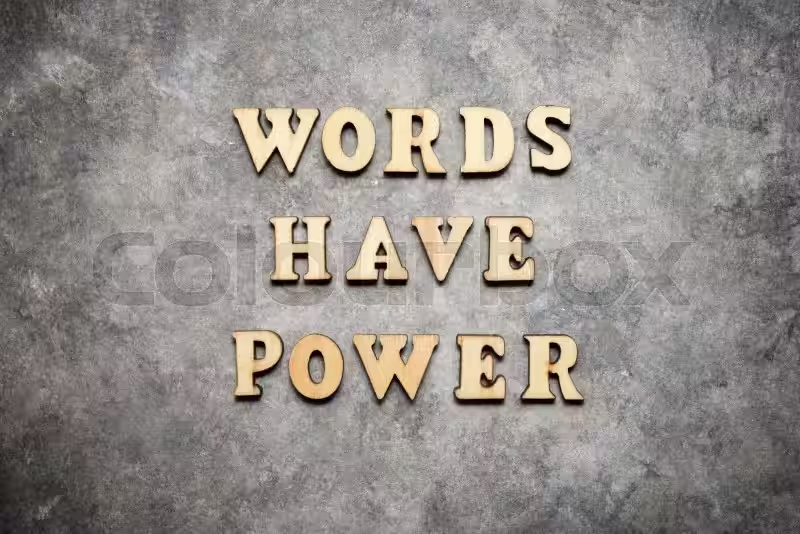
Words, often taken for granted, hold immense power. In the context of scripture and religion, these words are imbued with a sacred significance, shaping beliefs, guiding actions, and inspiring generations. They aren’t simply stories; they are powerful tools for understanding the divine and our place within the cosmos, acting as a compass for our inner and outer lives. This exploration delves into the profound impact words have within religious texts, exploring how they transmit wisdom, build communities, and ultimately, change lives.
Consider the way different faiths utilize language to express their core values and beliefs. The poetic prose of the Psalms, the intricate narratives of the Bible, or the profound pronouncements of the Quran, all use words to establish connections with the divine. These words are not merely historical accounts. They are living texts, actively shaping the present and inspiring hope for the future for millions.
Scripture, in its diverse forms, serves as a cornerstone for faith and practice. Through profoundly worded narratives and teachings, it encourages contemplation and self-reflection. It provides a framework for understanding the world and our place within it, offering guidance on how to live a virtuous life. Think of the Ten Commandments, their concise and impactful language, outlining ethical principles that have resonated across millennia.
The impact of these texts is not limited to the past. Many find solace and spiritual direction in scripture today. They use the words to navigate life’s challenges, find meaning in suffering, and connect with a larger, more profound truth. A daily reading of scripture can serve as a powerful meditation, allowing the words to permeate every aspect of life, helping to establish greater internal peace and clarity.
Religion often utilizes words to foster a sense of belonging and shared identity. Rituals, prayers, and hymns utilize carefully selected language to bring people together. These shared experiences, rooted in common words and stories, create a strong network of support and understanding. Imagine the unity felt by a congregation coming together to sing their hymns – the shared experience transcends individual differences, uniting them through the power of words.
Moreover, religious texts often provide a common framework for understanding the world. Through these shared stories and beliefs, communities can communicate and connect in profound ways. This shared language strengthens bonds and nurtures a collective identity. This shared communication is invaluable in helping overcome social differences and build a stronger sense of community.
The Power in Words to Inspire Action
The words found within scripture are not just passive observations; they are powerful catalysts for change. They inspire acts of compassion, sacrifice, and justice. The words can motivate individuals to strive for a better world, to overcome adversity, and to make a positive impact on their communities. For example, the words of prophets and religious leaders often challenge the status quo and call for social justice, inspiring movements for change.
Consider the countless individuals who have been motivated by the words of scripture to lead lives of service and compassion. The power to influence, to incite, and to inspire action is a true testament to the profound impact of even the simplest words. Words can spark social movements, influence policies, and shape a culture, all through the commitment individuals have to living by the words they choose to believe in.
The legacy of scripture is one of enduring power. The words of sacred texts continue to resonate with people across generations, cultures, and geographical boundaries. They offer comfort, guidance, and a framework for understanding the human condition. They are a source of inspiration and wisdom, shaping not only beliefs but also actions. This is testament to the remarkable power of words.
Ultimately, the power in words in scripture and religion is not just about the words themselves but the beliefs and actions they inspire. The words are a means to an end – a means to connecting with the divine, understanding ourselves, and ultimately, living a more meaningful life. The words within religious texts remain relevant because they speak to fundamental human desires and experiences, providing a timeless framework for navigating the complexities of the spiritual journey.
Frequently Asked Questions
What does the Bible say about power?
The Bible speaks of power in various contexts. It often refers to God’s power, His ability to create and sustain the universe. It also describes power as a gift from God that can be used for good or evil. Throughout scripture, there are examples of individuals who wielded power, both justly and unjustly. Ultimately, the Bible emphasizes the importance of using power responsibly and for the benefit of others.
How is power portrayed in different religions?
The concept of power varies across religions. Some religions view power as inherent in divinity, while others see it as a potential within individuals, granted through faith or actions. In some traditions, power is associated with spiritual authority, while others emphasize the power of collective action or social justice. The specific interpretations and applications of power differ greatly depending on the particular religion.
Power in religion often plays a crucial role in shaping the relationship between individuals and the divine. This can manifest in various ways, from the authority vested in religious leaders to the perceived power of prayer or ritual. The concept is often linked to influence, control, and the ability to effect change, both within the religious community and the wider world. The interpretation of this power can vary considerably based on specific religious beliefs and practices.