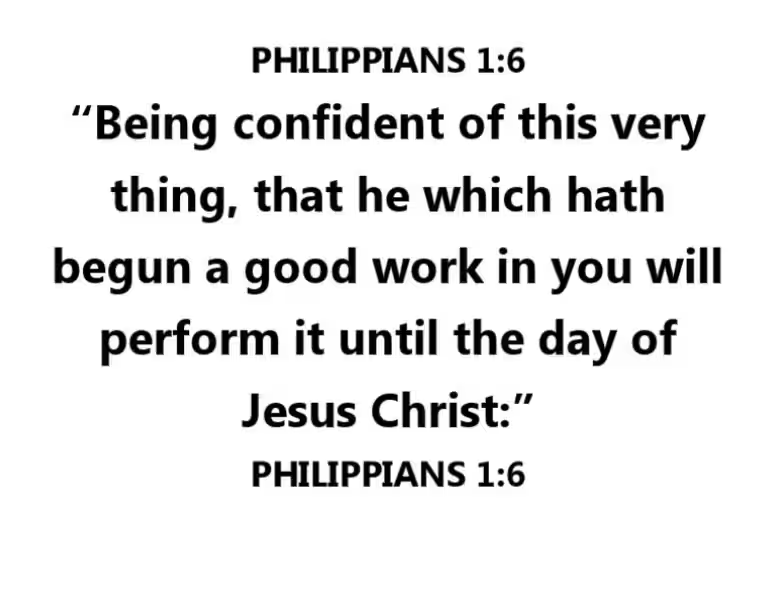
The Book of Philippians, nestled within the New Testament, offers a treasure trove of wisdom and encouragement for navigating life’s challenges. This letter, penned by the Apostle Paul, isn’t just a historical document; it’s a practical guide to living a life that aligns with God’s love and purpose. It’s a testament to the power of faith, hope, and love in the face of adversity. It invites us to cultivate a mindset of gratitude and contentment, even amidst trials and tribulations. This profound message resonates with us today more than ever before.
More than just abstract theological concepts, the book of Philippians provides a roadmap for practical application. It’s a reminder that we aren’t alone in our struggles. Paul’s experience, recounted in the letters, provides valuable insight into how to overcome obstacles and find fulfillment. He models how to approach difficult situations with grace and resilience. His words, “Do nothing out of selfish ambition or vain conceit, but in humility consider others better than yourselves.” (Philippians 2:3), are a potent reminder to prioritize the needs of others above self-interest. This focus on others, echoing “in humility consider others better than yourselves”, is a characteristic of a strong and God-honoring life.
The core themes of the book of Philippians can be summarized as joy in the midst of suffering, humility in service, and perseverance in faith. These themes are interwoven throughout the letters, providing a framework for navigating life’s complexities. Consider the practical application of these themes; for example, during times of personal hardship, drawing strength from the concept of joy in suffering can illuminate a path forward. This can help us to view our circumstances from a different perspective, ultimately finding contentment. This concept is beautifully illustrated in Paul’s own example, “I have learned to be content whatever the circumstances.” (Philippians 4:11).
Furthermore, humility is a cornerstone of Christian living as presented in Philippians. This isn’t about self-deprecation, but rather recognizing our dependence on God and the value of others. “Let the same mind be in you that was in Christ Jesus.” (Philippians 2:5). This quote emphasizes the importance of adopting the mindset of Jesus, recognizing that His strength, humility, and service are a model for our own lives. Practical examples of this humility could include volunteering time, offering support to those in need, or fostering empathy towards differing viewpoints.
Cultivating Joy and Gratitude
One of the most powerful messages in Philippians is the call to cultivate joy and gratitude. These aren’t simply emotional states, but rather essential elements of a flourishing life. “Rejoice in the Lord always; again I say, rejoice.” (Philippians 4:4) This isn’t about ignoring adversity, but rather finding joy in God’s presence and faithfulness, even in the midst of difficulties, such as persecution. It’s about finding gratitude in the small blessings and recognizing God’s hand in everyday life. By doing so, we begin to see our circumstances not as obstacles, but as opportunities for growth and understanding.
Practicing gratitude is a powerful tool that strengthens our relationship with God and with others. A simple act of expressing thanks can shift our perspective and transform our mindset. It’s about appreciating the good things in our lives, big and small. For example, expressing gratitude to others for their kindness can foster a positive and supportive environment. Similarly, regularly taking the time to appreciate the simple things in life can make a huge difference. A simple “thank you” to a loved one or expressing appreciation for a beautiful sunrise can illuminate the beauty of the present moment.
The Book of Philippians emphasizes the importance of perseverance in faith, reminding us that our journey with God is not always easy. “Let your light shine before others, that they may see your good deeds and glorify your Father in heaven.” (Matthew 5:16). Paul’s own hardships and experiences are a testament to this, highlighting the importance of trusting in God’s plan, even when we don’t understand it. In the context of our own lives, this might mean staying committed to our faith even when faced with criticism or opposition. Similarly, the call to perseverance also addresses the trials faced, reminding us to trust God’s plan even when things seem difficult.
Ultimately, perseverance in faith is about maintaining a strong connection with God amidst life’s challenges. This can be done by studying scripture, praying, and engaging in spiritual practices. Building a support system of fellow believers can provide comfort, encouragement, and accountability. Maintaining perseverance can also involve acknowledging that struggles are part of the process and that God uses them to strengthen our character. Examples of this include attending church services, participating in Bible study, and engaging in acts of service to others.
Frequently Asked Questions about Philippians Bible Quotes and Religion
What are some key verses from the Book of Philippians?
Philippians 4:6-7 is a well-known passage about anxieties and worries, encouraging reliance on God. Other popular verses include Philippians 2:5-11 on humility and Christ’s example, and Philippians 1:21-24, which speaks of the believer’s hope in Christ.
What does the Philippians passage say about humility?
Philippians 2:5-11 emphasizes the humility of Christ, who, though divine, emptied himself and took on human form. This passage encourages believers to have the same mindset, putting others’ needs before their own.
How does the Book of Philippians relate to Christian living?
Philippians offers practical guidance for daily life. The emphasis on joy, peace, and gratitude, as well as the importance of humility and service, provides a framework for living out one’s faith in a meaningful way.
What is the significance of joy in the Philippians?
Philippians highlights joy as a fruit of the Spirit, not dependent on external circumstances. The passage encourages believers to cultivate joy in all situations, recognizing God’s presence and purpose in their lives.
How does the Philippians passage address persecution?
The Book of Philippians speaks to persecution with resilience and hope. The authors face hardship but maintain a positive outlook, reminding readers that their suffering contributes to the gospel’s spread.