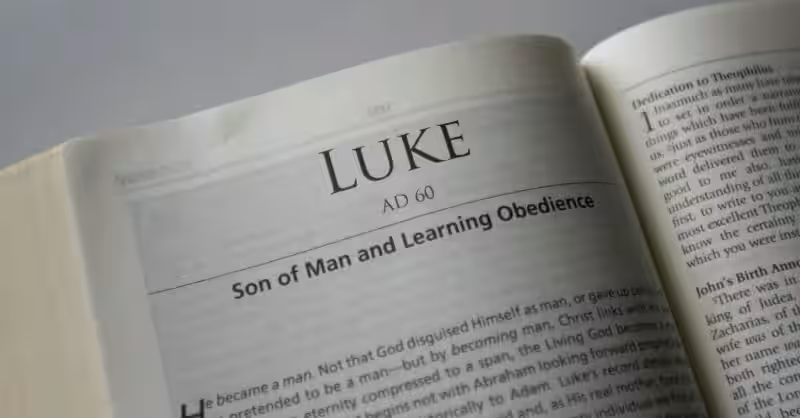
The parable of the Pharisee and the tax collector, found in the Gospel of Luke, is a powerful and enduring message about pride, humility, and the nature of true worship. It’s not just a story from a distant time; it’s a story that speaks to the human condition today. Understanding its core themes can be incredibly beneficial in navigating our own lives and relationships.
This parable, often overlooked in favour of more dramatic accounts, offers a profound lesson about our inner selves. It compels us to examine our motivations and the ways in which we approach our relationship with God, our neighbours and the world around us. We often compare ourselves to others, measuring our good deeds and spirituality against their perceived standards. But sometimes, this comparison leads to arrogance and a sense of self-righteousness, a condition mirrored by the Pharisee’s actions in the parable.
The Pharisee and the Tax Collector: A Parable of Contrast
Imagine a bustling marketplace, filled with the sounds of commerce and the murmur of daily life. A Pharisee, known for his meticulous adherence to religious rituals, stands apart, proud of his piety and his unwavering commitment to the law. He meticulously lists his good deeds in his mind: fasting regularly, giving generously to the temple, and meticulously observing all the traditions. He sees himself as superior to others in his devotion.
In stark contrast, a tax collector, often viewed as a villainous figure in their society. He is known for his dealings with the Roman authorities, often a cause of suspicion and distrust. He endures social stigma and the heavy burden of his profession. His moral standing was questioned. Yet, this tax collector stands before the Lord in humble recognition of his own shortcomings. He knows he has fallen far short of God’s grace and mercy.
The parable highlights the importance of humility as a vital component of faith. The Pharisee, consumed by self-importance, fails to recognize his need for God’s grace. He is focused on outward displays of piety, but lacks the inward humility to acknowledge his flaws. This can be seen in many aspects of our modern society, where individuals boast their achievements and virtues instead of appreciating the broader picture.
Conversely, the tax collector, acknowledging his failings, finds grace in recognizing his own inability to conform to perfect standards. He seeks redemption not in self-proclaimed righteousness, but in the mercy and compassion of God. The parable invites us to consider how we present ourselves to others. Are we more concerned with appearances or with acknowledging our own human imperfections? This is a crucial lesson for personal growth. For instance, a person who focuses on their own accomplishments may miss the opportunity to connect with others on a deeper level.
The Power of Acknowledgment
The parable underscores the significance of acknowledging our need for God’s grace. The Pharisee, in his self-righteousness, fails to recognize this need. We can see this in our daily lives where individuals often refuse to admit their mistakes, or shortcomings. The tax collector, in contrast, recognizes his inadequacy before God, thus paving the way for grace and redemption. This is a simple but profound concept: admitting imperfections often allows us to truly accept God’s love and mercy.
In essence, the parable of the Pharisee and the tax collector is a stark reminder of the importance of humility in our relationship with God and with others. It challenges us to examine our hearts, motivations, and actions. By recognizing our own failings and seeking God’s grace, we can embark on a path of true faith and spiritual growth. This is exemplified in the transformative journey of the tax collector, who, by acknowledging his sins, opens himself to redemption and finds a renewed sense of purpose. We can all benefit from this approach in our own lives. This resonates with our daily existence encouraging us to focus on sincerity and genuine connection rather than external validation.
This powerful parable transcends religious boundaries. It’s a universal message about the human condition. Imagine a professional who, focused solely on accomplishments and public recognition, overlooks the needs of their colleagues. This echoes the Pharisee’s pride. In contrast, a person who, acknowledging their weaknesses, shows empathy and support to others, demonstrating humility. This mirrors the tax collector’s repentance. The parable encourages us to look within ourselves and examine our own motivations and behaviours.
Ultimately, the parable of the Pharisee and the tax collector teaches us that true worship stems from humility, recognizing our shortcomings, and seeking God’s grace. It encourages us to prioritize genuine connection over outward displays of piety. This message continues to resonate with us today, urging us to reflect on our own lives and strive for a deeper, more meaningful relationship with ourselves and the world around us. By understanding the lesson of the parable, we can live more fulfilling and meaningful lives, filled with genuine humility and compassion.
Frequently Asked Questions about the Parable of the Pharisee and the Tax Collector
What is the Parable of the Pharisee and the Tax Collector about?
The parable tells of a Pharisee and a tax collector praying in the temple. The Pharisee boasts about his righteousness, while the tax collector, acknowledging his sinfulness, prays for God’s mercy. Jesus highlights the importance of humility and recognizing one’s dependence on God, contrasting it with self-righteousness.
Who were Pharisees?
Pharisees were a Jewish sect known for their strict adherence to Jewish law and traditions. They were considered religious leaders and scholars of the law.
Tax collectors were often viewed as sinners because they worked for the Roman government, which was seen as oppressive to the Jewish people.
What is the main message of the parable?
The parable emphasizes the importance of humility, acknowledging one’s sinfulness, and seeking God’s mercy rather than boasting about one’s righteousness. It highlights the difference between outward religious observance and inner spiritual condition.
Why does Jesus use the example of a tax collector?
Jesus uses the tax collector as an example to challenge the common perception of him and his actions. The tax collector, in the eyes of many, was seen as a sinner and an outcast. Jesus uses this example to show that even the most despised can find God’s grace.
How does this parable relate to religious practice?
The parable encourages introspection and a focus on genuine relationship with God rather than external displays of piety. It underscores that true religion is characterized by humility and a recognition of one’s need for God’s grace.