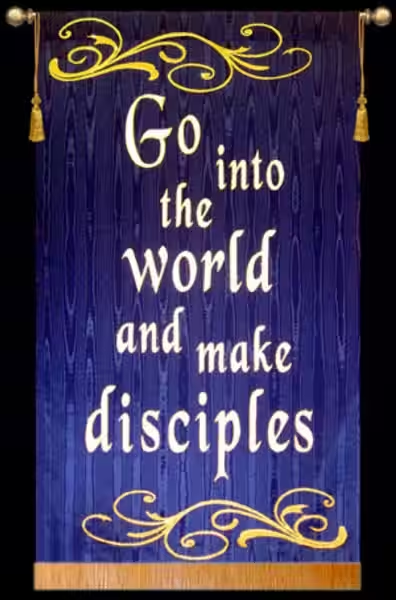
The Great Commission, a cornerstone of Christian theology, isn’t just a historical event; it’s a living, breathing directive for believers today. It’s a profound call to action, a mandate to spread the message of hope and transformation. Understanding this mandate is crucial for anyone seeking to align their faith with their purpose, fostering a deeper connection with their faith and motivating meaningful action in the world.
This commission, found in Matthew 28:18-20, isn’t about rigid rules or empty rituals. It’s about relationship and impact. It emphasizes making disciples, teaching, and baptizing. These aren’t just isolated actions; they are interwoven strands that form a tapestry of discipleship and growth. The Great Commission fundamentally challenges us to share the love of Christ with the world around us, making followers who then do the same. This is the heart of the Christian faith.
The Great Commission isn’t a simple task; it’s a multifaceted undertaking. At its core, it’s about making disciples – not just convincing someone to say they believe, but nurturing a relationship with Christ and guiding them in their faith journey. Discipleship entails more than just teaching doctrines; it involves mentorship, modeling Christ-like behavior, and supporting others on their spiritual path. This process requires patience, understanding, and empathy.
Teaching is another critical component. It’s about sharing the Gospel, explaining the teachings of Jesus, and revealing the transformative power of faith. This includes sharing the life-changing message of salvation. Baptism symbolizes this transformation, acting as a public declaration of faith and commitment. It’s a powerful visual representation of the new covenant. Crucially, the mandate encompasses all nations and all people – emphasizing the universal nature of God’s love and the mission’s global reach.
Practical Application of the Great Commission in Our Lives
The Great Commission isn’t a distant ideal; it’s a practical guide for our daily lives. It’s not about grand pronouncements or grand gestures. It’s about the small, everyday choices we make. Imagine a simple act of kindness, a listening ear, or a shared meal – all of these actions, however small, can be avenues for sharing the message of hope and the love of Christ. We can make disciples in our homes, neighborhoods, and workplaces by sharing our experiences and testimony.
Think about how you can model the values of Christ in your interactions. How can you teach and share the message of hope, even in small ways? Examples include volunteering in your community, tutoring students, or simply offering a helping hand to someone in need. These small acts of service can make a profound impact on the lives of others. Small acts of love and kindness are often more powerful than we realize.
Overcoming Obstacles to the Great Commission
Implementing the Great Commission isn’t without challenges. Often we feel inadequate or uncertain about how to communicate the Gospel effectively. Fear of judgment, social pressure, or lack of confidence can hold us back. Acknowledging these challenges and confronting them head-on is vital. We can address these obstacles by seeking support from our faith community. Seeking mentorship, and finding encouragement in sharing our experiences with others can be powerful strategies.
Consider the numerous resources available to us – educational materials, discipleship programs, and online communities, all designed to equip us for this vital work. Learning from others who have effectively shared their faith, understanding the context of different cultures, and tailoring our approach to individual situations are essential. By embracing these strategies, we can navigate challenges and effectively engage with the world around us, making disciples.
Conclusion: Embracing the Transformative Power of the Great Commission
The Great Commission is not a burden, but a privilege. It’s a call to embrace the transformative power of faith and share the message of hope with the world. It’s a journey of growth, learning, and service. It’s a call to action. Embarking on this journey takes courage and commitment, but the rewards far outweigh the challenges. By embracing the Great Commission, we demonstrate our love for God and our desire to see others transformed by His grace.
Ultimately, the Great Commission is about recognizing our profound ability to impact the lives of others, enabling growth and transformation. It’s a call to action, a beacon of hope, and a testament to the enduring power of faith in a world that needs it more than ever. Each of us has a role to play in completing this profound and essential task.
Frequently Asked Questions
What is the meaning of the Great Commission?
The Great Commission, found in Matthew 28:18-20 and other similar passages in the New Testament, is Jesus’s command to his followers to make disciples of all nations, baptizing them in the name of the Father, Son, and Holy Spirit, and teaching them to obey everything he has commanded. It’s a call to spread the Gospel and to make new followers of Jesus Christ.
What is religion?
Religion is a belief system and a set of practices related to the existence and worship of a higher power, or powers. Different religions have different beliefs about the nature of God, the universe, and humanity, and they often involve rituals, ceremonies, and ethical guidelines for living.