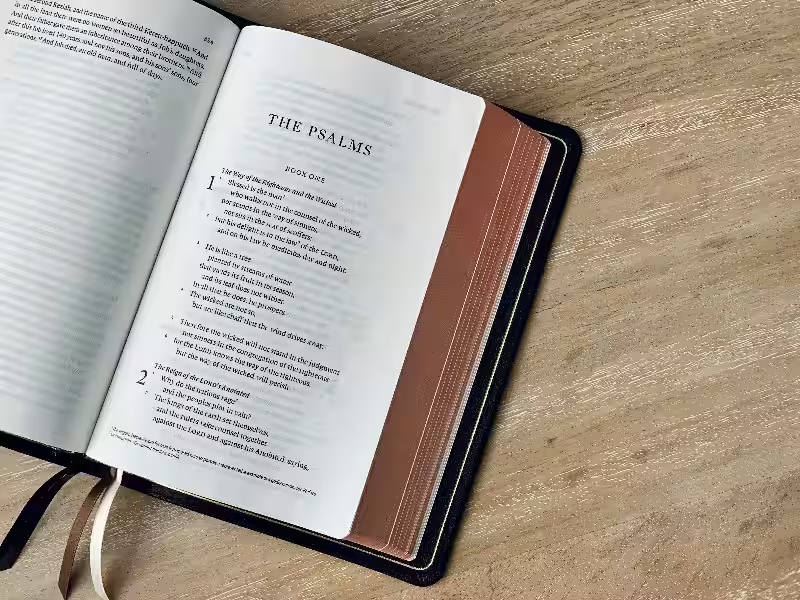
The Holy Bible, a cornerstone of Christianity, is a collection of sacred texts. Understanding its profound message is often enhanced by studying it in both English and Tagalog. This journey into the scriptures allows for a deeper comprehension of its teachings and a more personal engagement with its stories. Translation nuances can add another layer of richness to this exploration, revealing subtleties that might be missed in a single language.
Comparative study between the English and Tagalog versions of the Holy Bible is a valuable exercise. This approach not only fosters a stronger grasp of the text but also promotes a richer understanding of cultural contexts. Different interpretations often emerge from the variations in phrasing and sentence structure between the two languages. For instance, the concept of “love” in the English translation might be expressed differently in Tagalog, highlighting different facets of this powerful emotion. This comparative study also sheds light on the potential for misinterpretation that can arise from single-language readings.
Understanding the Significance of the Holy Bible in English and Tagalog
The Holy Bible, in both its English and Tagalog versions, serves as a foundational text for many. Its stories, verses, and teachings have shaped religious thought, moral codes, and cultural narratives throughout history. The Old Testament and New Testament within the Bible provide accounts of faith, prophecy, and salvation, influencing individual lives and shaping the course of civilizations. Understanding the context of these narratives—whether through English or Tagalog translations—offers invaluable insight into the human condition and the divine.
Religious communities throughout the world lean on the Holy Bible for guidance and inspiration. Its principles offer comfort, challenges, and tools for navigating life’s complexities. The Bible, in English or Tagalog, can serve as a source of strength, hope, and wisdom for those seeking meaning and purpose. This influence extends to ethical frameworks, social values, and artistic expressions. A deeper immersion in the scriptures, regardless of the language, deepens individual faith.
Navigating the Different Books and Genres of the Holy Bible
The Holy Bible, in its English and Tagalog versions, encompasses a diverse range of books—historical accounts, poetic narratives, prophetic pronouncements, and letters of guidance. Understanding the different genres within the scriptures is vital for appreciating their multifaceted nature. For example, the Psalms within the Old Testament are poetic expressions of faith and emotion, while the Gospels in the New Testament recount the life and teachings of Jesus. The genres are crucial in interpreting the intended message and tone of each passage.
Consider the example of the book of Proverbs, rich in wisdom literature. These sayings, in both English and Tagalog translations, offer practical guidance for daily life. Understanding the nuances of these proverbs, whether in English or Tagalog, requires an understanding of the cultural context in which they were written. The richness of the Holy Bible is found in its variety of literary forms. The Bible, in both English and Tagalog, provides insight into different human experiences and offers guidance through a multitude of life circumstances.
Finding Inspiration and Guidance in the Holy Bible’s Teachings
The Holy Bible, in its English and Tagalog translations, offers profound insights into the human condition. Its teachings on love, forgiveness, and compassion provide guidance for building strong relationships and leading a fulfilling life. Studying these passages, in either English or Tagalog, can inspire acts of kindness and empathy. The wisdom found in its verses can provide comfort and clarity in times of distress. For example, the parable of the Good Samaritan emphasizes the importance of compassion and extending help to those in need.
The Holy Bible, in both English and Tagalog, encourages followers to live by its principles. Living a life of faith involves striving to embody the values presented in the scriptures. Whether it’s through acts of service, acts of kindness, or simply cultivating compassion, the teachings within the Holy Bible provide a compass for navigating the complexities of life. Embracing these teachings can lead to personal growth. Seeking guidance from the Bible, in either English or Tagalog, can offer a fresh perspective and renewed purpose.
Conclusion: Engaging with the Holy Bible in English and Tagalog
The Holy Bible, in its English and Tagalog translations, offers a rich tapestry of stories, teachings, and wisdom. Engaging with these texts in both languages fosters a deeper understanding of its profound message. By exploring the nuances of both translations, readers can gain a more comprehensive understanding of the Holy Bible’s significance and uncover a deeper personal connection to its teachings.
The Holy Bible, in both English and Tagalog, serves as a timeless source of guidance, inspiration, and comfort. Its verses and narratives continue to resonate with individuals seeking meaning and purpose. The ability to approach these texts in different language versions enhances the understanding of the message. This rich tapestry of words, regardless of language, continues to offer wisdom and insights for our modern world.
Frequently Asked Questions
What is the Holy Bible in English Tagalog?
The Holy Bible in English Tagalog is a translation of the Bible into the Tagalog language, often used by Filipino Christians.
What are the different versions of the Holy Bible in English Tagalog available?
Several translations and versions exist. Research specific editions to find one that matches your needs.
What is the difference between the Old Testament and the New Testament?
The Old Testament tells the story of God’s covenant with humanity before the coming of Jesus Christ. The New Testament focuses on the life, teachings, death, and resurrection of Jesus Christ and the early Christian church.
What is religion?
Religion is a set of beliefs, values, practices, and rituals centered around a faith in a higher power or powers, which often includes a moral code of conduct.
How can I learn more about religion?
Studying religious texts, attending religious services, engaging in discussions with religious leaders and followers, and researching different religious traditions are good starting points.