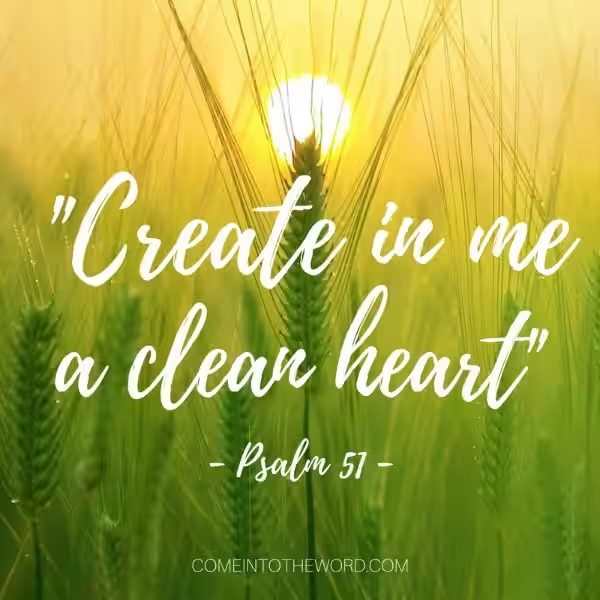
We all strive for something more, a sense of inner peace, and often that journey leads us to consider our relationship with the divine. “He’s clean” can represent a powerful statement of spiritual well-being, a dedication to ethical living, and a belief in a higher power. But what does it truly mean, and how does one achieve this state of being? This exploration delves into the complexities of spiritual purity, offering practical insights into personal growth and connection with faith.
For many, “he’s clean” is more than just a superficial declaration. It embodies a commitment to living with integrity, upholding moral values, and seeking guidance from a higher power. It’s a deeply personal journey, often influenced by one’s religious beliefs. This journey frequently involves recognizing personal weaknesses, actively working towards self-improvement, and striving to live in harmony with one’s beliefs. Examples of such actions might include refraining from harmful behaviors, practicing compassion, and engaging in acts of service.
Religious practices often provide frameworks for achieving a sense of spiritual purity. Prayer, meditation, and rituals, for example, can help individuals connect with their faith, fostering a sense of inner peace and guidance. Through these practices, individuals find strength and resilience, strengthening their moral compass and developing a deeper understanding of their values. Moreover, this journey can include a commitment to spiritual disciplines like fasting, pilgrimage, or acts of charity. These reinforce the notion of “he’s clean” by emphasizing a commitment to a higher calling.
Different religions offer various paths to spiritual purity. Buddhism, for instance, emphasizes practices such as mindfulness and compassion. Christianity, particularly, focuses on forgiveness, repentance, and striving to follow Jesus’ teachings. Islam emphasizes the importance of prayer, charity, and adherence to the Five Pillars. These diverse approaches illustrate the universal human desire for spiritual fulfillment and the various routes individuals may take to achieve “he’s clean.” Understanding these diverse practices enriches our collective understanding.
Recognizing the Complexity of Spiritual Purity
Spiritual purity isn’t a destination but a journey. It’s not about achieving perfection but about striving to live a life that honors one’s beliefs and values. “He’s clean” is a statement about intention, a commitment to growth, and a recognition of the ongoing process of self-improvement. Failures are inevitable; the key is to learn from them and use them as stepping stones towards a more spiritually fulfilling life. Acknowledging this ongoing progress is crucial in fostering a more realistic and personally meaningful approach to spiritual purity.
The journey towards spiritual clarity is often complex and personal. Obstacles like doubt, temptation, and personal struggles can arise. Overcoming these obstacles requires a strong support system, whether it be a partner, family member, spiritual advisor, or a group of like-minded individuals. Connecting with others who share similar values provides encouragement and a sense of belonging, making the journey less daunting and more rewarding. This underscores the importance of community in supporting the pursuit of “he’s clean.”
Maintaining a Balanced Perspective
It’s essential to remember that “he’s clean” is not a measure of worth or a way to judge others. Self-judgment and comparison are pitfalls. Concentrate on personal growth, rather than measuring yourself against others or adhering to external standards. Focus instead on your own journey of growth and understanding. This approach fosters a more peaceful and fulfilling path.
Maintaining a healthy balance between spiritual pursuits and practical life is crucial. The quest for spiritual purity shouldn’t be at the expense of one’s well-being or relationships. Integrating faith into daily life in a way that is both meaningful and sustainable is key. This encompasses activities like spending time in nature, pursuing hobbies, and maintaining healthy relationships. These aspects of life contribute to a well-rounded and fulfilling experience.
Ultimately, “he’s clean” signifies a profound commitment to personal growth and a deeper relationship with something beyond oneself. It’s a journey, not a destination, and one that requires self-reflection, resilience, and the courage to confront personal challenges. By understanding the complexities of spiritual purity and embracing a balanced perspective, individuals can embark on a path towards a richer, more meaningful life. Embracing this process, no matter the religious framework, makes this aspiration more attainable.
This quest for spiritual purity is a deeply personal one. Each individual’s interpretation and approach will vary, but the underlying principles of honesty, integrity, and a commitment to a higher power remain constants. Embracing this journey with patience, self-compassion, and a supportive community can lead to profound inner peace and a richer understanding of oneself and the world around us. These factors contribute to the overarching idea of “he’s clean.”
Frequently Asked Questions
Is “He’s clean” a religious statement?
No, “He’s clean” is not inherently a religious statement. It can refer to a variety of situations, such as someone being physically clean, having cleaned up their act, or having been declared free from suspicion or wrongdoing. The meaning depends on context.
What does “He’s clean” mean in a religious context?
In some religious contexts, “He’s clean” might refer to someone being absolved of sin or guilt according to the tenets of that faith. However, this meaning is not universal and depends heavily on the specific religion and situation.