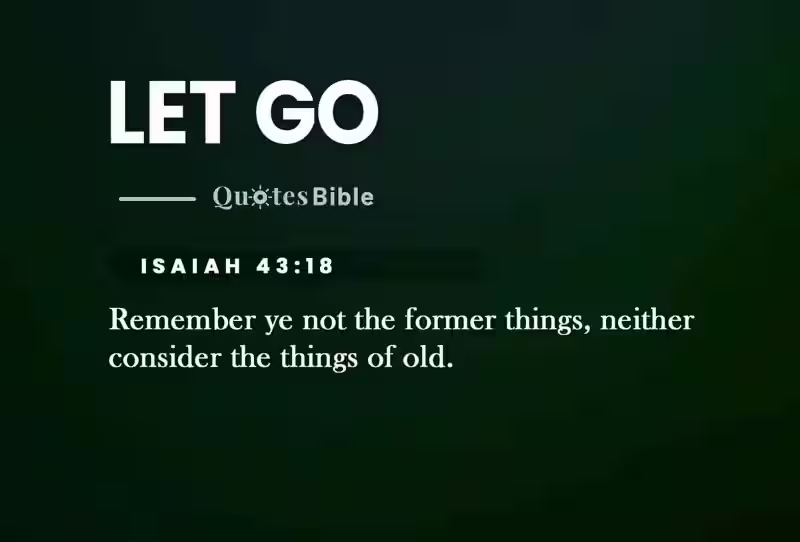
We all carry burdens, wounds, and regrets that can weigh us down. These emotional baggage, whether stemming from past relationships, painful experiences, or perceived injustices, can often leave us feeling trapped, resentful, and disconnected. Healed and forgiven are powerful concepts that offer a pathway to liberation and inner peace. The journey towards healing and forgiveness is not always easy; it’s a process of confronting our pain, embracing our vulnerabilities, and ultimately, choosing compassion and self-acceptance.
Imagine a cracked vase, its beauty marred by a deep fissure. You could try to ignore the crack and treat the vase as if nothing were wrong, but that won’t mend the damage. True healing involves acknowledging the crack, understanding its origin, and then finding ways to repair and strengthen the vase. Similarly, forgiveness is not about condoning harmful actions, but about letting go of the anger, resentment, and bitterness that those actions leave behind. This act of forgiveness allows us to free ourselves from the chains of the past and embrace the potential for a brighter future.
The process of healing and forgiveness is profoundly personal. It doesn’t occur overnight. Healed and forgiven involve introspection, self-compassion, and often, seeking support from others. Key steps in this journey include confronting the pain, acknowledging the hurt, and developing a willingness to let go. This process isn’t about erasing the past, but about transforming our relationship with it.
Consider this analogy: a river that flows through a gorge. The rapids and turbulence represent the pain and hurt we experience. Healing and forgiveness are like the gentle, flowing waters that eventually carve out a path through the gorge. The water doesn’t erase the gorge; it simply finds a way to flow around and through it. True healing is about navigating the tumultuous waters of our past while still moving forward towards a place of peace.
The Role of Religion in Healed and Forgiven
Many religions offer frameworks and practices to support the journey of healed and forgiven. Spiritual practices, such as prayer, meditation, and mindfulness, can be valuable tools in calming the mind and heart. Religious communities can provide a supportive network of believers who share similar experiences and offer understanding. Forgiveness, often emphasized in religious teachings, can be seen as a spiritual act that leads to liberation and inner peace.
Many religious traditions emphasize the importance of compassion and empathy. For example, in Christianity, the concept of forgiveness is central to the teachings, with Jesus’ sacrifice often cited as the ultimate act of forgiveness. In Buddhism, the concept of releasing attachment to negativity is vital for achieving inner peace. These religious perspectives offer a profound understanding of the human condition and provide valuable tools for navigating the complex journey of healing and forgiveness.
Practical Steps Towards Healed and Forgiven
Taking practical steps towards healing and forgiveness is crucial. Journaling can be a powerful tool for processing emotions and exploring thoughts and feelings. Meditation or mindfulness practices help quiet the mind and cultivate self-awareness. Talking to a trusted friend, family member, or therapist can provide emotional support and guidance. Forgiveness isn’t just about the other person; it’s about freeing yourself from the burden of resentment and anger and allowing yourself to move forward.
Creating a support system is important. This could include:
Friends & family
Support groups
Mental health professionals
Finding healthy outlets for emotions, like exercise or creative expression, can also be beneficial. These steps, combined with spiritual practices, can create a powerful synergy for healing and forgiveness, leading to a more fulfilling and peaceful life.
Embracing the Journey of Healed and Forgiven
The path to healing and forgiveness is a personal one, and there’s no one-size-fits-all solution. Be patient with yourself. Celebrate small victories along the way. Embrace setbacks as opportunities for growth. Healed and forgiven are not destinations, but ongoing journeys of self-discovery and transformation. This process involves confronting your vulnerabilities, embracing your strengths, and ultimately, choosing compassion for yourself and others.
Remember, healing and forgiveness are not about erasing the past, but about transforming your relationship with it. Forgiveness is about releasing the grip of resentment and anger, allowing your heart to open to compassion, understanding, and peace. Ultimately, healing and forgiveness lead to a more authentic, fulfilling, and ultimately, a happier life.
Frequently Asked Questions
What does it mean to be healed and forgiven in a religious context?
Healing and forgiveness are often intertwined concepts in many religions. Healing can refer to physical, emotional, or spiritual restoration. Forgiveness, in turn, typically involves releasing anger, resentment, and the desire for retribution toward those who have wronged you. The specific meanings and implications of these concepts can vary greatly depending on the particular religious tradition.
How does religion explain the process of healing?
Religious perspectives on healing often incorporate faith, prayer, ritual, and divine intervention. Some religions emphasize the power of a higher being to directly heal, while others focus on the individual’s role in accepting healing through faith or personal transformation. The methods used to achieve healing can range from simple supplications to elaborate ceremonies.
Forgiveness, in religious contexts, frequently involves reconciling with others and releasing negative emotions. Different religions may offer varying perspectives on whether forgiveness should extend to those who have not sought reconciliation. Many emphasize the importance of forgiveness as a path toward inner peace and spiritual growth.
How can I find forgiveness and healing in my specific religion?
This is a deeply personal question with no single answer. Consulting with religious leaders, mentors, or community members within your specific faith tradition is often a helpful step in exploring how to find forgiveness and healing within that tradition.
Is it possible to heal and be forgiven without religion?
Yes, the concepts of healing and forgiveness are not exclusive to religious frameworks. Many secular approaches to personal growth and well-being address these themes through therapy, self-reflection, and interpersonal relationships.