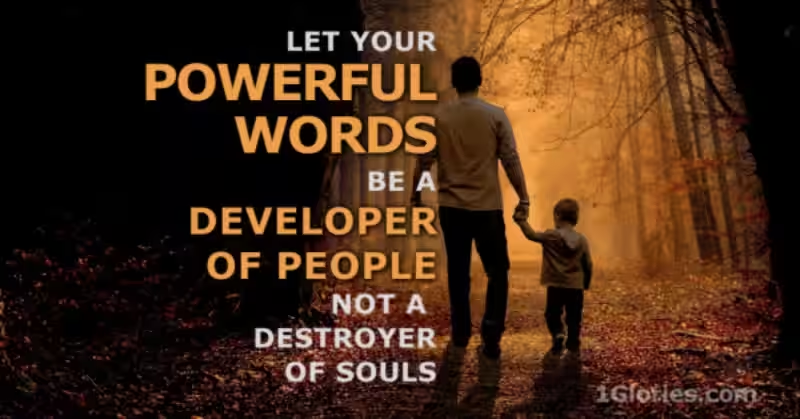
We all crave meaning and purpose in life. Many find solace and direction within religious frameworks, and at the heart of these traditions lies the belief in the remarkable potency of God’s words. God’s words are powerful because they are more than just pronouncements; they are imbued with divine energy, capable of shaping our thoughts, actions, and ultimately, our destinies. Consider the powerful impact of a heartfelt prayer, a well-placed scripture verse, or a comforting proverb from a trusted teacher – God’s words can bring profound change.
Religion has served as a powerful source of comfort and guidance for countless individuals throughout history. From the ancient scriptures to modern-day teachings, the core messages of faith remain consistent: finding strength in adversity, fostering love and compassion, and striving to live a virtuous life. The power in God’s words lies in their ability to inspire hope, nurture faith, and provide a framework for navigating life’s challenges. This isn’t just an abstract concept, but a practical tool for living. God’s words can provide a compass, a reassurance, and a path forward when we feel lost or uncertain.
God’s words are powerful because they have the ability to transform our inner selves. They provide a framework for self-reflection and personal growth, guiding us toward a deeper understanding of ourselves and our place in the universe. Religious teachings often emphasize the importance of moral uprightness and compassion, qualities that can lead to a more fulfilling and meaningful life. For instance, the Ten Commandments in Judaism and Christianity, or the Eightfold Path in Buddhism, offer concrete guidelines for ethical conduct, illustrating how God’s words can shape our actions.
Imagine a person struggling with anger. If God’s words encourage forgiveness and compassion, the person can begin to dismantle the anger through mindful reflection. Religious texts often contain powerful stories and parables that depict how God’s words can lead to personal growth and transformation. These stories, like parables of the prodigal son or the good Samaritan, illuminate the paths to self-improvement and underscore the transformative power of changing our perspectives and actions. God’s words act like a roadmap for the journey to a better self.
The Practical Application of God’s Words in Daily Life
God’s words are powerful and can be applied to virtually every aspect of our lives. They provide a moral compass, guiding us toward ethical behavior and decision-making. They offer comfort and solace during times of hardship, reminding us of our connection to something larger than ourselves. They inspire us to live more compassionate lives by highlighting the importance of empathy and love. Powerful words from religious texts offer practical guidance in these areas.
Consider the following practical applications:
Conflict Resolution: Religious scripture often promotes peace and reconciliation, providing guidance on how to navigate conflicts constructively.
Finding Purpose: Many religious traditions offer frameworks to discover and pursue a deeper sense of meaning and purpose in life.
Cultivating Gratitude: God’s word often encourages us to appreciate the blessings in our lives and express gratitude for them.
These are just a few examples of how God’s words can profoundly impact our daily lives. Their influence is deeply personal and can lead to personal refinement and profound changes.
The power of God’s words is further amplified by the supportive community that often accompanies religious faith. The shared experience of faith, prayer, and worship can create a sense of belonging and connection. Religious communities offer a valuable support system, providing guidance, encouragement, and a network of individuals who understand and share similar values. In times of need, this network of faith can be invaluable.
Shared experiences in prayer, meditation, or religious festivals can deepen our understanding of God’s words and their implications. By interacting with others who share similar interpretations of divine guidance, we can gain valuable insight and perspective. Such communities can also provide much-needed support during difficult times, fostering resilience and strength in the face of adversity. God’s words, combined with the strength of a supportive community, can be truly transformative.
Frequently Asked Questions
What makes God’s words powerful?
Different religions attribute different levels of power to God’s words, often based on their belief system. Some see God’s words as literally creating reality, while others may view them as inspirational or instructive. The power is often felt through faith, tradition, and personal experience.
How does religion define God’s words?
Religious texts, like the Bible, Quran, or Torah, are considered by their adherents to contain God’s words, either directly spoken or divinely inspired. Interpretations vary greatly depending on the specific religion and individual understanding.
How can I experience the power of God’s words?
Many religious traditions suggest prayer, meditation, studying scripture, and engaging in acts of faith and compassion as ways to connect with and experience the power of God’s words.
Can different religions have different interpretations of God’s words?
Yes, different religious traditions and denominations may offer varying interpretations of the same or similar texts. This often leads to diverse theological perspectives.
Are God’s words applicable to modern life?
Many people believe God’s words offer guidance and insights relevant to contemporary challenges and life choices. Different interpretations and applications exist depending on the individual and their faith.