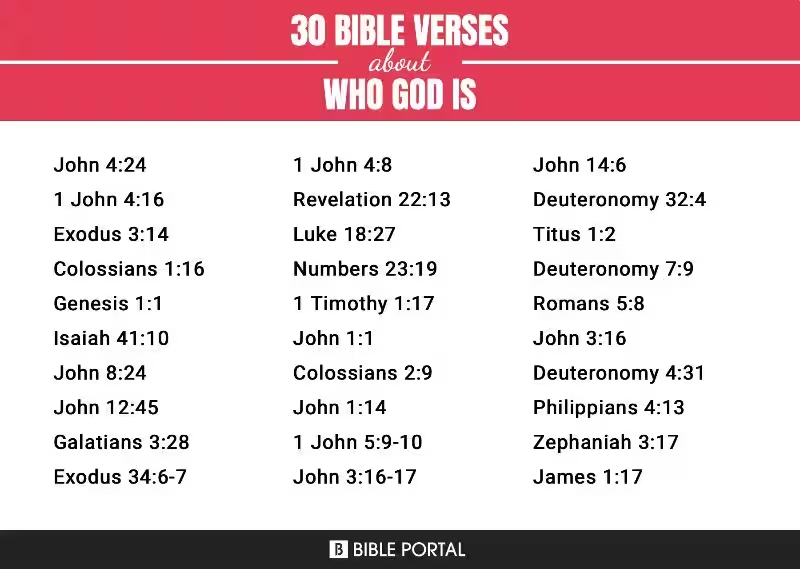
The concept of God the One, a singular, supreme being, is a cornerstone of many faiths. Exploring this concept requires delving into the diverse ways humans have sought to understand the divine. From ancient myths to modern theological debates, the idea of a single, ultimate reality has shaped societies and individual lives for millennia. We will examine the various expressions of this belief and its impact on human history. Understanding God the One is not simply about memorizing doctrines but about appreciating the rich tapestry of human spiritual experience.
The notion of God the One often clashes with the complexities of human experience. We grapple with suffering, injustice, and the mysteries of existence. This struggle to reconcile our understanding of God the One with our lived realities is a fundamental part of the human condition. Many religions try to answer these questions with stories, rituals, and ethical codes. By examining their approaches to these challenges, we can gain a deeper appreciation for the ways different cultures have sought to understand God the One and develop their systems of belief.
The concept of God the One is not uniform across all religions. Different traditions articulate God the One in unique ways. Some view God the One as a personal, intervening deity, while others see God the One as an impersonal, transcendent force. For example, in Christianity, God the One is often seen as a Trinity – Father, Son, and Holy Spirit – a complex theological concept that has been debated for centuries. Islam conceptualizes God the One as Allah, a singular and indivisible entity. Buddhism, while not typically focused on a personal God the One, acknowledges a supreme reality or ultimate truth.
These variations highlight the multifaceted nature of religious thought. Exploring these differences allows us to appreciate the diversity in human spirituality. The diversity of approaches to worshipping God the One is a reflection of the diverse experiences of humankind. Consider the diverse expressions of faith:
Monotheism
Pantheism
Panentheism
Each offers a different lens through which to view God the One and their relationship to the universe. Understanding these variations is crucial to appreciating the vast spectrum of religious thought and belief.
The Role of Religion in Society
Religion, in its many forms, has been a powerful force in shaping societies. From moral codes to social structures, religious beliefs have profoundly impacted human history. The concept of God the One often provides a framework for ethical behavior and social harmony. Think about the golden rule, which is common across many religions, emphasizing the importance of treating others as you wish to be treated. Religions have played a crucial role in providing meaning and purpose in lives, offering comfort and structure during times of hardship and stress. The God the One often serves as a source of hope and strength in the face of life’s challenges.
Religion has also been a catalyst for both progress and conflict. It has inspired acts of charity and compassion, but it has also been used to justify violence and intolerance. The historical examples of religious conflicts are numerous, reminding us of the complexities of human nature. Understanding the interplay between religion and society requires acknowledging both the positive and negative impacts of faith. The evolution of religion over time reveals how humans have sought to adapt their understanding of God the One to changing circumstances and challenges.
The quest to understand God the One is a continuous process. As individuals and societies evolve, so too does our understanding of God the One. Modern interpretations of God the One grapple with scientific discoveries, philosophical inquiries, and personal experiences. This ongoing search for meaning and purpose remains central to many individuals’ spiritual journeys. Ultimately, the concept of God the One is a personal and evolving one, often influenced by our experiences and reflections.
The search for God the One is a journey of self-discovery. It’s about finding the meaning in life and our place within the universe. The exploration of religious concepts can be a profound way to explore our own values and beliefs. Different approaches to God the One offer a range of experiences. The study of religion can provide a framework for understanding these diverse approaches to the concept of a singular, supreme being.
Frequently Asked Questions
What is God the One?
God the One, also referred to as the Supreme Being or the Divine, is the central concept in many monotheistic religions. It represents the ultimate, singular, and all-powerful creator and sustainer of the universe.
What is religion?
Religion is a system of beliefs, practices, and values centered around a deity or deities, often involving a community of adherents. Religions often provide a framework for understanding the world, human existence, and morality.
What is the relationship between God the One and religion?
Religion provides a framework for understanding and interacting with God the One. Different religions offer varying perspectives on God the One’s nature, attributes, and the best ways to connect with them.
What are the different views of God the One across various religions?
The concept of God the One varies significantly across religions. Some focus on a personal God, while others emphasize an impersonal, transcendent force. Attributes like omnipotence, omniscience, and omnipresence are also interpreted differently.
How can I learn more about specific religions and their views on God the One?
Researching specific religions through reputable sources like academic texts, religious texts (with appropriate sensitivity), and scholarly articles can provide deeper understanding.