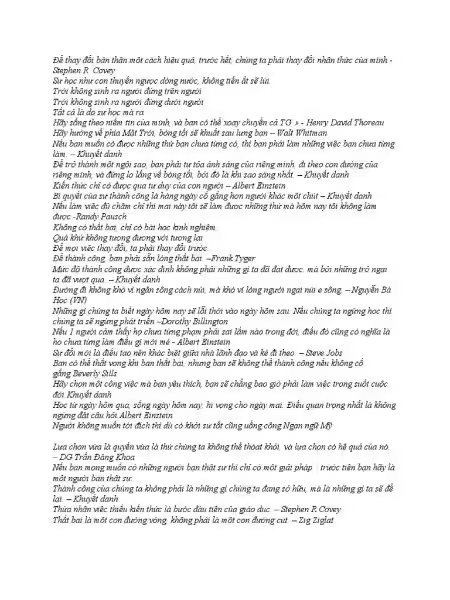
Proverbs, those concise nuggets of wisdom passed down through generations, often carry profound religious undertones. They offer a unique lens through which to understand the values, beliefs, and ethical frameworks embedded within various faiths. From ancient fables to modern-day parables, these sayings frequently encapsulate moral lessons, spiritual truths, and practical advice that resonate across cultures and time.
Consider this: many proverbs function as guidelines for righteous living within a religious context. They act as reminders of fundamental principles and encourage adherence to specific codes of conduct. For instance, the proverb “A good name is rather to be chosen than great riches” (Ecclesiastes 22:1) encourages that we value integrity above material wealth. This exemplifies how proverbs often emphasize spiritual well-being as superior to worldly possessions. Religions often emphasize this contrast in their teachings.
Faith profoundly shapes the content and meaning of proverbs. Religious texts, rituals, and narratives frequently inspire these timeless sayings. Core beliefs about God, humanity, and the universe are woven into the fabric of proverbs. For example, the proverb “A house divided cannot stand” can be interpreted as a warning against discord and strife, mirroring religious teachings on unity and harmony. This emphasis on community and cooperation is common in many faiths.
Furthermore, proverbs often reflect religious teachings on ethics and morality. They echo the principles of love, compassion, forgiveness, and justice. Consider the proverb “Kindness is a language which the deaf can hear and the blind can see.” This sentiment is directly in line with many religions’ emphasis on the importance of acts of kindness, recognizing their transformative power, regardless of outward appearances. These acts of goodness have a profound impact, even on those who cannot perceive them in a conventional sense.
Proverbs are not just historical artifacts; they offer practical guidance for navigating daily life. They provide a framework for making sound decisions, resolving conflicts, and understanding complex situations. For example, the proverb “Look before you leap” urges caution and forethought in action, aligning with religious teachings on the importance of considering consequences before acting. This is a common theme across many religions, reminding the followers to carefully consider their decisions.
Take, for example, the proverb “Haste makes waste.” This common saying highlights the importance of careful planning and consideration. It echoes the religious concept of slow and deliberate action in alignment with God’s wisdom, emphasizing that rushing through things can often lead to mistakes or less desirable outcomes. These proverbs provide crucial guidance in a wide array of situations, fostering thoughtful behavior and decision-making.
Proverbs and Religious Practices
Many religious practices and rituals are underpinned by proverbs. For instance, the concept of prayer, a fundamental aspect of many religions, is often encapsulated in proverbs such as “The Lord hears the prayers of the humble.” This proverb highlights the importance of humility and sincerity in communication with a higher power aligning with many religious doctrines. These practices are directly correlated to proverbs that describe the importance of faith and devotion.
Furthermore, proverbs can provide commentary on the relationship between humans and nature as seen in the proverb “The earth provides for all.” This emphasis on balance and cooperation with the environment is frequently mirrored in religious teachings that often promote respect for creation. This interconnectedness highlights the importance of respecting the natural world. These connections to religious teachings and practices create a unique and profound link between the two.
In conclusion, proverbs are more than just catchy sayings; they are powerful expressions of religious values and beliefs. They offer a rich tapestry of insights into the human condition, reminding us of the importance of virtue, wisdom, and faith. Proverbs serve as a bridge between different eras and cultures, preserving important insights that resonate with us today. They are a treasure trove of wisdom that continues to shape our understanding of the world and our place within it.
By understanding the relationship between proverbs and religion, we can gain a deeper appreciation for the wisdom embedded within these timeless sayings. This understanding can help us to live more meaningful and fulfilling lives, guided by the timeless principles they embody.
Frequently Asked Questions
What are FITB proverbs?
FITB proverbs are proverbs with blanks or missing words that users need to complete. They are designed to test understanding of common sayings and their meanings.
What is the role of religion in society?
Religion plays a complex role in society, influencing morality, ethics, social structures, and cultural practices. It can provide comfort, guidance, and a sense of community for its followers.