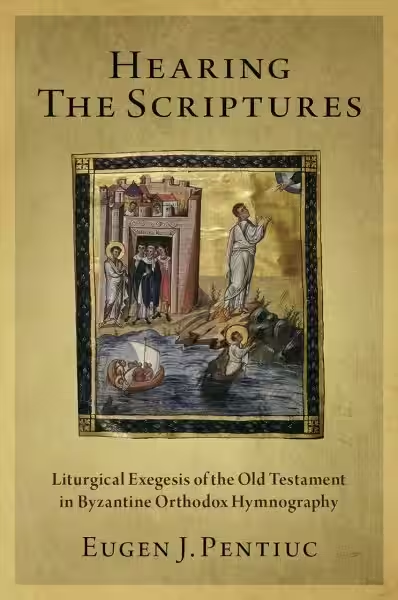
We often think of religious scriptures as dry, historical documents, filled with rules and regulations. But beneath the surface lies a powerful wellspring of emotional resonance. These texts, often passed down through generations, have the remarkable ability to comfort, inspire, and challenge us on a deeply personal level. They offer a profound connection to something larger than ourselves, fueling hope and providing guidance in navigating life’s complexities. Their impact stems from the carefully crafted language used to embody profound human experiences.
Exploring these scriptures allows us to connect with the shared human experience of joy, sorrow, love, and fear. These are not just stories, but reflections of our own internal struggles and triumphs. We find comfort and solace in the words of those who came before us, knowing that we are not alone in our feelings. We gain a sense of belonging, a feeling of being part of something larger than ourselves.
Religious scriptures are rich with metaphors, symbols, and narratives that evoke strong emotions. Imagine a passage describing the feeling of loss or resilience—it’s not just a story but an invitation to empathize and experience those feelings. Consider the power of imagery; a description of a barren landscape can evoke feelings of desolation, while a vivid portrayal of a lush garden can inspire feelings of hope and renewal. This evocative language allows us to connect with the text on a deeply personal level. This allows us to understand and empathize with the struggles and triumphs of figures throughout history.
Emotional scriptures are more than just words on a page. They are portals to understanding the human condition. They can help us navigate difficult situations by offering guidance and wisdom. The ability to find empathy in these situations is crucial for healthy personal development. For example, the parable of the prodigal son, found in many religious texts, speaks to themes of forgiveness, redemption, and the profound love of a father towards a wayward son. This resonates powerfully with anyone who has felt lost or estranged from their loved ones.
Connecting with Emotional Scriptures in Everyday Life
We can make religious scriptures a part of our everyday lives, transforming them from a distant concept to a source of inspiration and guidance. The key is to approach them with an open heart and mind. Mindfulness in reading, rather than just a cursory glance, is essential. We should try to engage with the text on a personal level, and understand the words not simply as historical accounts, but as reflections of universal human experiences. Consider the following ways to engage with these texts: reflect on the passages, pray, meditate, or discuss the readings with others. Reflection and introspection can help us understand the emotional depth of the scripture and connect with its messages on a deeper level.
By engaging with religious scriptures as a personal journey, we can unravel their profound emotional power. We can use these texts to better understand ourselves, our relationships, and the world around us. For example, by understanding the story of Job and his trials, we can gain a sense of resilience and faith in the face of adversity. A simple act like reading a favorite scripture before bed can offer a sense of calm and peace. This can help us develop a deeper relationship with ourselves and our faith.
Life often presents us with difficult challenges. During times of sorrow, loss, or uncertainty, religious scriptures can offer profound comfort and guidance. The words provide a sense of hope and resilience. Examples are found in the Psalms, full of expressions of grief, anger, and trust in a higher power; this resonates with anyone who feels lost or overwhelmed. Facing crises and difficulties, these texts can offer reassurance and provide a sense of connection to something larger than ourselves.
Religious scriptures are not just a historical record, but a living testament to the human spirit’s capacity for resilience, faith, and love. They can offer a powerful source of support and inspiration in times of need. They can also help us find peace amid the chaos of daily life. The power of emotional scriptures lies in their ability to connect us with a timeless wisdom that transcends generations. Using this wisdom to guide us through hard times is a profound gift.
Frequently Asked Questions about Emotional Scriptures and Religion
What are emotional scriptures?
Emotional scriptures are passages of religious texts that evoke strong feelings, such as joy, sorrow, love, or anger. They often resonate deeply with readers, prompting introspection and personal connection with the faith or belief system.
Why do people find emotional scriptures meaningful?
Emotional scriptures can be meaningful because they tap into universal human experiences. They offer comfort, inspiration, and guidance in navigating life’s challenges and joys. They also foster a sense of community and shared understanding within a faith tradition.
How can I use emotional scriptures in my daily life?
Emotional scriptures can be used in various ways, including meditation, prayer, journaling, or simply reflecting on their message. Finding a passage that resonates with your current emotional state can offer solace and guidance. Consider how the scripture applies to your personal situation.
Can emotional scriptures be interpreted differently by different people?
Yes, emotional scriptures can be interpreted subjectively. Different people may draw different meanings or lessons from the same passage, depending on their own experiences, beliefs, and background.
How do emotional scriptures relate to my faith?
Emotional scriptures can provide a deeper understanding and connection to one’s faith. They often illustrate the principles and teachings of the religion in a personal and relatable way, strengthening faith and encouraging a deeper commitment.