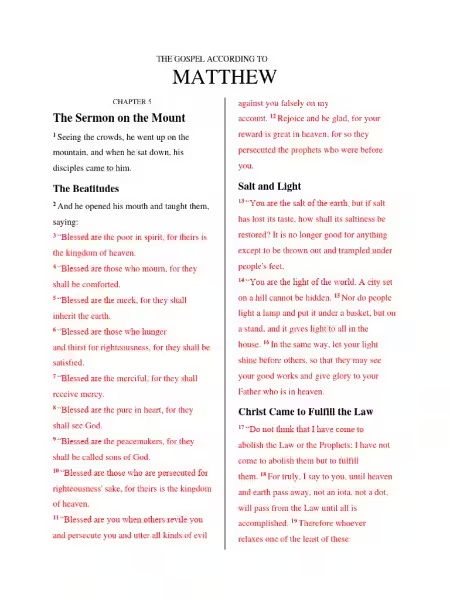
Matthew 5, often called the Sermon on the Mount, is a cornerstone of Christian teaching, providing a profound roadmap for living a life of righteousness. Jesus’s words here aren’t just abstract concepts; they’re practical guidelines for navigating everyday life with wisdom and compassion. This passage challenges us to look beyond the superficial and delve into the core values that underpin a meaningful existence. Understanding these principles can transform our perspective on ourselves, others, and our relationship with God.
This commentary delves into the profound ideas presented in Matthew 5, exploring their relevance to our modern lives. We’ll examine the Beatitudes, their surprising simplicity, and how they can guide us toward a more fulfilled life. We’ll also examine the radical call to righteousness that Jesus espouses, and consider how we can embody these principles in our daily interactions. This analysis is designed to be easily digestible, emphasizing practical application over abstract theory.
The Beatitudes, the opening verses of Matthew 5, often seem counterintuitive. Jesus declares blessed those who are poor in spirit, mourning, meek, hungry for righteousness, merciful, pure in heart, peacemakers, and persecuted. These qualities aren’t about worldly achievement but about an inward transformation. True blessedness comes from a heart focused on God’s values, not human validation. Consider a humble individual who finds joy in serving others—that’s the essence of the Beatitudes.
Think about the example of a dedicated volunteer at a homeless shelter. They might not have material wealth, but their inner spirit is rich with compassion and service. This aligns seamlessly with the Beatitudes’ message. Similarly, embracing mourning could involve appreciating the loss of innocence, or accepting the struggles of others. Acknowledging our own shortcomings, instead of repressing them, is a key element of the Beatitudes. The list goes on, illustrating that blessedness is a journey of inward growth, not a destination.
Righteousness and the Law: Going Beyond the Surface
Jesus emphasizes righteousness in Matthew 5, not as mere adherence to the law, but as a deeper commitment to love and justice. He challenges followers to surpass the letter of the law with the spirit. Instead of simply avoiding transgressions, we must seek deeper motivations. For example, Jesus’s admonition to love our enemies goes far beyond a simple social requirement; it demands a transformation of our hearts. The pursuit of righteous behavior isn’t about superficial displays, but about embracing authenticity and empathy.
Consider the example of someone who forgives a difficult person. They might feel wronged, but choosing to forgive demonstrates a profound understanding of Jesus’s radical philosophy. It’s a commitment to love, even when it’s challenging or inconvenient. This “going beyond” applies to many aspects of Jesus’s teachings in Matthew 5—it’s not merely following rules, but living a life guided by compassion and understanding. This profound understanding fosters a more holistic and meaningful relationship with God and others.
Salt and Light: Illuminating the World
Jesus illustrates the role of the believer within the community by using the metaphors of salt and light. Salt preserves and seasons. Similarly, believers are meant to infuse the world with their values, adding flavor and keeping things wholesome. Light illuminates and dispels darkness. The same way, believers are called to shine forth a positive example, dispelling negativity and guiding others toward the light of faith.
Examples of this include acts of kindness, compassion, or simply being a source of positive influence. A kind word, a helping hand, or a compassionate gesture can all contribute to this illuminating role. These actions, small though they may seem, have the potential to make a large difference. Ultimately, Christians are called to be agents of change, fostering positive change in the world around them.
Matthew 5 offers not just abstract religious concepts, but a practical guide for living a fulfilling life. It’s a call to self-reflection and inward transformation, to be kind, compassionate, and righteous. By understanding and applying the principles of the Sermon on the Mount, we can move beyond mere observance of rules and embrace a life centered around love, compassion, and a deep connection with our faith and others.
This is a continuous journey of growth and transformation. Don’t be discouraged if you don’t always live up to these ideals; the key is to strive for them. Ultimately, Matthew 5 inspires us to be instruments of change in the world. It’s a call to action that demands our attention and provides a roadmap for our faith and daily lives.
Frequently Asked Questions about Commentary on Matthew 5 and Religion
What is the significance of Matthew 5 in relation to religion?
Matthew 5, also known as the Sermon on the Mount, is a foundational text in Christian theology and ethics. It outlines Jesus’ teachings on righteousness, love, and justice, providing a framework for understanding the relationship between faith and daily life. The sermon’s principles continue to resonate with people of various religious and non-religious backgrounds.
How does Matthew 5 impact religious practices?
The sermon’s teachings on topics like compassion, forgiveness, and humility challenge traditional religious practices and encourage a more inward and outward expression of faith. It challenges followers to live out their beliefs beyond ritualistic practices.
What are the key themes of Matthew 5?
Key themes include righteousness, blessedness, judgment, and the importance of love, compassion, and peace. The sermon highlights the importance of aligning actions with internal attitudes and motives.
How does Matthew 5 address issues of conflict and disagreement?
The teachings encourage reconciliation, forgiveness, and a commitment to peacemaking. It challenges followers to seek resolutions through dialogue and understanding, rather than resorting to violence or retribution.
How can I apply the principles of Matthew 5 in my daily life?
The sermon provides a practical guide for living a life of righteousness. Applying these principles requires self-reflection, empathy, and a willingness to actively practice love, compassion, and justice in all interactions.
What are different interpretations of Matthew 5?
Different denominations and schools of thought offer varying interpretations depending on their theological frameworks. Some emphasize the literal application of the teachings, while others focus on the metaphorical or symbolic meanings.
How does Matthew 5 compare to other religious teachings?
Matthew 5 resonates with other religious traditions’ emphasis on ethical conduct, compassion, and the pursuit of a just society. The principles of non-violence, compassion, and love for others are widely echoed across different faiths.