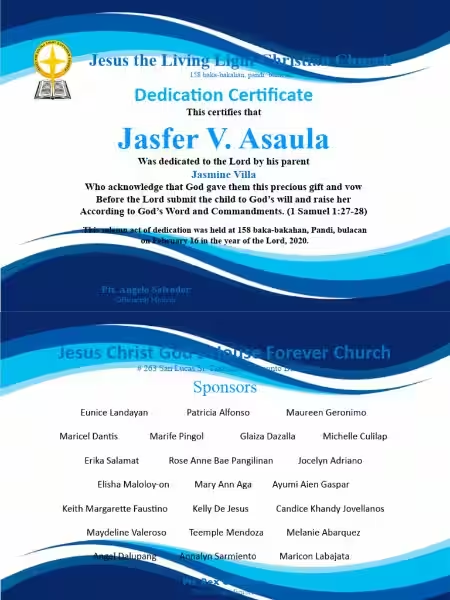
Throughout history, cultures have recognized the significance of dedicating oneself or something to a higher power or cause. The Bible, a cornerstone of many faiths, extensively explores this concept of dedication. This isn’t just a ritual; it’s a profound act of commitment, reflecting a desire to align one’s life with a divine purpose. Dedication, in its biblical context, is about more than just a single act; it’s a way of life. It involves a conscious choice to prioritize that which is sacred and to prioritize the values that are important. This often involves the tangible act of giving or offering an item or person to something larger than oneself.
Consider the story of Abraham offering Isaac. While seemingly a horrific act, it was an ultimate expression of dedication. Abraham was willing to sacrifice his most prized possession, his son, to demonstrate his unwavering devotion to God. This demonstrates that commitment is not always easy. It can require courage, sacrifice, and a willingness to let go of personal desires for the sake of a greater purpose. Similarly, many people dedicate their lives to service, whether through acts of charity, volunteering, or simply striving to live in accordance with their faith’s teachings. These are all examples of dedication in action.
The Significance of Dedication in Various Biblical Texts
The concept of dedication in the Bible is woven throughout the Old and New Testaments, appearing in various forms. For instance, the Israelites dedicated their lives and possessions to God, establishing a covenant and following His laws. This act of dedication often involved physical offerings, from animals to crops and even land. This was a way of acknowledging God’s ownership and reflecting their gratitude for His blessings. A practical example is the Israelites dedicating the firstfruits of their harvest to God.
Moving into the New Testament, we see dedication expressed through Christian practices like the dedication of temples or churches. We also see self-sacrifice and selfless service, showcasing a dedication to following the teachings of Jesus. For example, the apostles’ dedication to spreading the Gospel, often at great peril, exemplifies the concept of unwavering commitment. They were willing to sacrifice their time, comfort, even their lives, to fulfill what they believed was their divinely ordained purpose.
Different Forms of Biblical Dedication
Biblical dedication encompasses a diverse range of expressions of commitment. An important aspect is the dedication of time. This can be found in the disciples’ unwavering service to Jesus, or in the many individuals throughout history who dedicate a portion of their lives to prayer, contemplation, or religious study. Many people dedicate specific times to their faith and spirituality. Dedication also involves the dedication of possessions. This includes the offerings mentioned previously, such as animals or crops, but also the commitment to sharing resources with those in need. These are acts of giving and sharing, an essential part of many faiths.
Furthermore, dedication can be demonstrated through actions and attitudes. Consider a person who dedicates their life to helping others. They may do so through volunteering, donating to charity, or simply by being a supportive presence in the lives of those around them. These everyday acts of kindness and compassion showcase a dedication to serving something larger than themselves. Examples include the dedication of parents to their children or the dedication of professionals to their work and the community they serve. Dedication takes many forms, depending on the individual and their circumstances.
Understanding and embracing the concept of biblical dedication can be transformative in personal growth. By committing to a higher purpose, whether it is faith, family, or a cause, individuals can find a sense of meaning and direction in their lives. This commitment can lead to greater resilience, inner peace, and a deeper connection to something beyond themselves. This is fundamentally rooted in the idea that dedication is a key to finding purpose and fulfillment.
Dedication, in a practical sense, can also help in facing life’s challenges. When we dedicate ourselves to something greater than ourselves, we’re more likely to persevere through hardship. A strong sense of dedication can provide a solid foundation for dealing with adversity, maintaining a sense of hope even during difficult times. It’s about striving for something meaningful beyond our immediate needs, leading to a life of purpose and fulfillment.
Frequently Asked Questions about Biblical Dedication
What is biblical dedication?
Biblical dedication is a ceremony, often involving prayer and symbolic acts, used to consecrate or set apart something or someone to God. This can apply to individuals (like infants) or objects (like temples or altars).
What is the purpose of dedication in religion?
Dedication in religion serves to acknowledge God’s ownership and sovereignty over the dedicated object or person. It signifies a commitment to a sacred purpose and often involves a pledge of obedience and service.
What are some examples of dedication in the Bible?
The dedication of Solomon’s Temple, the dedication of Samuel, and the dedication of infants are examples found in the Bible.
Who can be dedicated?
In the Bible, infants are often dedicated, but also individuals, places, and objects can be dedicated.