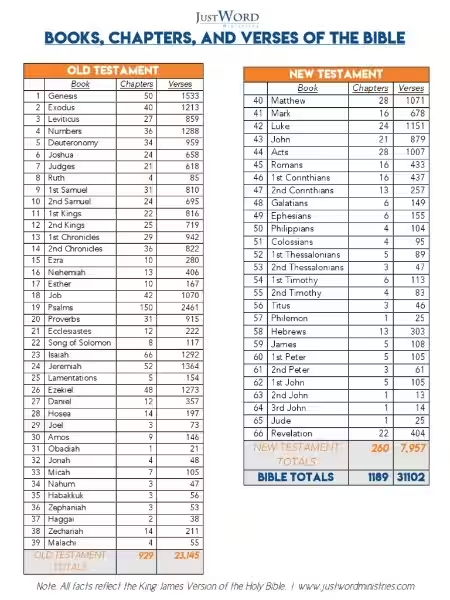
The Bible, a collection of ancient texts spanning thousands of years, continues to resonate with people worldwide. It’s a complex tapestry woven from diverse stories, poetry, laws, and prophecies. Understanding this rich collection, however, can feel daunting. This breakdown aims to make the journey through its chapters more navigable and insightful. By looking at specific examples, we can gain a deeper appreciation for the nuances within each book and their enduring relevance.
This exploration isn’t about dictating interpretations, but rather offering a starting point for your own journey of discovery. We’ll delve into themes like creation, covenant, redemption, and prophecy, examining how these concepts unfold across different books and chapters. Think of this as a roadmap to guide you through the landscape of scripture, encouraging you to engage with the text in a thoughtful and personal way. Crucially, this approach emphasizes understanding the historical context and literary style of each section to appreciate its original intent.
Genesis, the first book, establishes the foundation of the biblical narrative. From the creation story in the opening chapters to the accounts of the patriarchs like Abraham, Isaac, and Jacob, Genesis lays the groundwork for God’s relationship with humanity. Here we find key themes such as: creation, sin, and the promise of redemption. For example, the story of Noah’s Ark exemplifies God’s covenant with humanity and his commitment to preserving life after a devastating flood. Understanding these foundational stories gives us insight into God’s character and promises, which continue to resonate throughout scripture.
The accounts in Genesis can be difficult for modern readers to grasp, often seeming simplistic or repetitive. However, by seeing these stories as cultural narratives of their time, we can appreciate their power and profound message. For instance, the stories of sibling rivalry and deceit highlight the human condition and the complex struggles we face. This framework helps us understand how these foundational chapters lay the groundwork for the rest of the biblical narrative.
Exodus: Freedom and Covenant
Exodus tells the story of the Israelites’ liberation from slavery in Egypt. This pivotal book emphasizes themes of freedom, covenant, and the law. The Ten Commandments, outlined in Exodus, form a significant part of Judaism and Christianity, shaping moral and ethical behavior. This book highlights the importance of divine intervention and the power of faith in overcoming adversity. The Israelites’ journey through the desert serves as a powerful metaphor for the journey of faith. Examples like the parting of the Red Sea serve as powerful reminders of God’s power and enduring presence.
Crucially, Exodus isn’t just about escaping Egypt. It’s about establishing a relationship and covenant between God and His chosen people. This covenant, reinforced by the giving of the law, lays the foundation for future Israelite history and shapes the understanding of God’s relationship with humanity. This narrative serves as a model for how we can interact with God and His commandments.
Psalms: A Tapestry of Human Emotion
The Book of Psalms offers a profound collection of poetry, hymns, and prayers. These expressions of faith, despair, joy, and praise are a vivid reflection of the human experience. Psalms offer a spectrum of human emotions, from the deepest lamentations to soaring praise. They address various situations: prayer, praise, thanksgiving, and supplication. Many Psalms are deeply personal and relatable, demonstrating the wide range of emotional responses to God. For instance, Psalm 23 is a powerful expression of trust and comfort in God’s care.
Understanding the Psalms’ historical context, while recognizing their enduring contemporary relevance, is key. The language may appear archaic, but the themes of hope, faith, and resilience resonate powerfully. The Psalms can be a source of comfort, guidance, and inspiration in navigating life’s complexities. They are a valuable resource for connecting with our own inner spiritual journey. They also show how faith can manifest in diverse ways, from intense emotion to quiet contemplation.
Matthew: Jesus’ Teachings and Ministry
Matthew’s Gospel provides a profound glimpse into the life, teachings, and ministry of Jesus. This is a fundamental text for understanding the Christian faith. Matthew focuses on Jesus as the fulfillment of prophecies, showcasing Jesus’ miraculous works and his teachings on both love and justice. The Sermon on the Mount, a significant section, outlines Jesus’ ethical principles. It’s a testament to the importance of love and compassion.
Matthew’s Gospel is a rich narrative of discipleship, miracles, and a path towards redemption. It’s a captivating exploration of Jesus’ life and his message of hope. It provides a blueprint for Christian living and offers a way to connect with the teachings of Jesus in our own lives. Understanding Matthew’s Gospel sheds light on the core principles of Christianity.
Frequently Asked Questions
What is a Bible breakdown chapter by chapter?
A Bible breakdown chapter by chapter is a detailed analysis of each chapter in the Bible, often focusing on themes, characters, historical context, and theological implications. It can provide a deeper understanding of the biblical text and its message.
What are the benefits of studying the Bible chapter by chapter?
Studying the Bible chapter by chapter allows for a systematic and comprehensive understanding of the biblical narrative, allowing readers to grasp relationships between different parts of the text and identify overarching themes.
Christianity uses the Bible as its primary sacred text. Some other religions, such as Judaism, also use portions of the Bible, but with different interpretations and focuses.
How can I find resources for Bible breakdowns chapter by chapter?
There are numerous online resources, books, and scholarly articles available that offer Bible breakdowns chapter by chapter. Search online for “Bible study guides” or “Bible commentary” for options.
What are some common themes found in Bible breakdowns?
Common themes in Bible breakdowns include God’s character, human nature, sin, redemption, salvation, and the relationship between God and humanity.
How can I use Bible breakdowns chapter by chapter in my personal faith?
Using chapter-by-chapter breakdowns can deepen your understanding of biblical teachings and apply them to your personal life. It can offer insights for prayer, reflection, and spiritual growth.