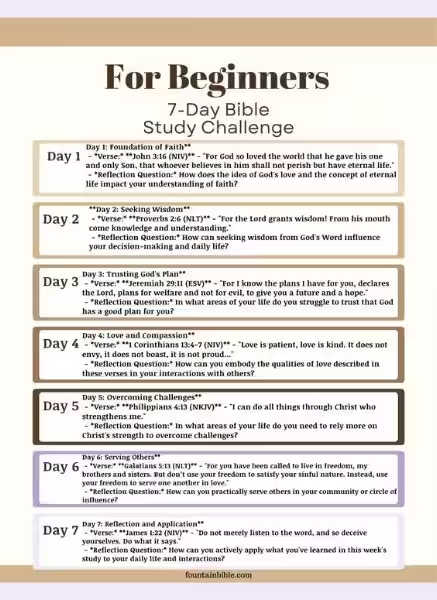
For many, “my Bible study” isn’t just a routine; it’s a lifeline. It’s a space for quiet reflection, a time to connect with something bigger than ourselves, and a chance to grow closer to God. This isn’t about reciting verses by rote; it’s about deepening your understanding and applying those lessons to your daily life. This journey begins with intention, and finding a method that works for you.
Consistency is key in any spiritual practice. Whether it’s a daily devotion, a weekly group study, or a monthly retreat, the rhythm of your study sets the stage for growth. Don’t get discouraged if you miss a day or two. The goal is to cultivate a habit that is sustainable over time. Think of it as tending a garden; consistent care, even small actions, will produce beautiful results.
Different styles of study offer different benefits. Some find devotional reading with commentaries enlightening. Others prefer in-depth study using various tools like concordances and thematic studies. A simple approach could be choosing a passage each week and meditating on it deeply. This is about finding what works best for you. For example, if you find yourself easily distracted when reading lengthy passages, consider breaking them down into smaller sections to keep yourself focused.
Discovering the narrative of the Bible is essential. It’s not just a collection of isolated stories; it’s a continuous story, a grand narrative of God’s relationship with humanity. Think of each book, each chapter, as a piece of a larger puzzle. By understanding this overarching theme in my Bible study, you gain a deeper appreciation for the historical context and the timeless realities found within the scriptures.
Engaging with My Bible Study: Practical Tips and Resources
Creating a dedicated space can significantly impact your Bible study. This could be a quiet corner in your home, a cozy coffee shop, or even a peaceful outdoor spot. The key is a space where you can focus without distractions. Journaling is another powerful tool. Use your journal to record insights, questions, and reflections on what you’re reading in “my Bible study.” Examples include noting how a verse resonates with your current life experiences or writing down specific prayers that arise from your study.
Utilizing resources can enhance your study. Consider commentaries, study Bibles, or online resources to gain additional context and understanding. For example, if you are studying a passage about forgiveness, using a commentary that explores the historical and cultural context can greatly deepen your understanding. Don’t be afraid to seek out guidance from trusted mentors or community members. Sharing your insights and reflections can foster a deeper connection with God and the faith community.
Making My Bible Study a Lifestyle
Integrating faith into daily life is a crucial aspect of a meaningful Bible study. Consider how you can apply principles from your study to your interactions with others. Practice empathy and compassion as you engage in daily activities. For example, if you’re studying a passage about humility, strive to be more understanding of others in your daily interactions. Try to recognize how specific verses might impact your relationships or even your approach to work or personal goals.
Reflecting on your growth is essential. Take time to assess how your study has influenced your life. Notice any shifts in your perspective, any changes in your priorities, or how you’re handling challenges. Don’t be afraid to ask for help or guidance in your relationship with God. Your “my Bible study” isn’t just about learning; it is also about growing your faith and practicing it in your daily life. This reflects a spirit-filled journey of self-discovery and personal transformation.
A Bible study is a gathering of people to examine and discuss the Bible. It can involve personal reflection or group interaction, focusing on specific passages, themes, or characters.
What are the different types of Bible studies?
Different Bible studies can be led by a teacher or be facilitated by individuals. Some studies look at specific books, others focus on a particular theme. There is a broad spectrum of approaches. Some studies are expository, focusing on the literal meaning, while others interpret the text from a more thematic or allegorical approach.
Why should I attend a Bible study?
Attending a Bible study can enhance your understanding of the Bible, build community, and foster spiritual growth. It provides opportunities for reflection, deeper comprehension of scripture, and discussion with others who share similar interests.
What if I don’t know much about the Bible?
Bible studies are designed for all levels of knowledge. Whether you’re a beginner or an experienced reader, there’s a study tailored to you. Many studies provide introductory material or background information.
What is religion?
Religion is a belief system and a set of practices that relate humanity to spirituality and moral values. It typically involves a set of beliefs about the origin and nature of the universe, the place of humans within it, and the existence of deities or spiritual beings. Religions often include rituals, ceremonies, and moral codes to guide adherents’ lives.
What are some major religions?
Some major religions are Christianity, Islam, Judaism, Hinduism, and Buddhism, among others. Each has its own unique beliefs, practices, and history.
Many churches and religious organizations offer Bible study groups. You can also look online for local groups through community centers or religious websites. Contacting a local church or religious leader may also be helpful.
What should I bring to a Bible study?
Bring a copy of the Bible, a notepad, and a pen. A willingness to engage in thoughtful discussion and listen respectfully is also valuable.
What if I have questions or concerns about my faith?
Bible studies can be a safe space to explore questions and concerns. Many studies welcome open discussion and provide opportunities to consider different perspectives.
How can I choose a Bible study that’s right for me?
Consider the study’s focus, the learning style, and the group dynamic. Research the study facilitator and the group’s commitment to inclusivity, and most importantly, consider whether the study’s goals and expected outcomes align with your spiritual needs.