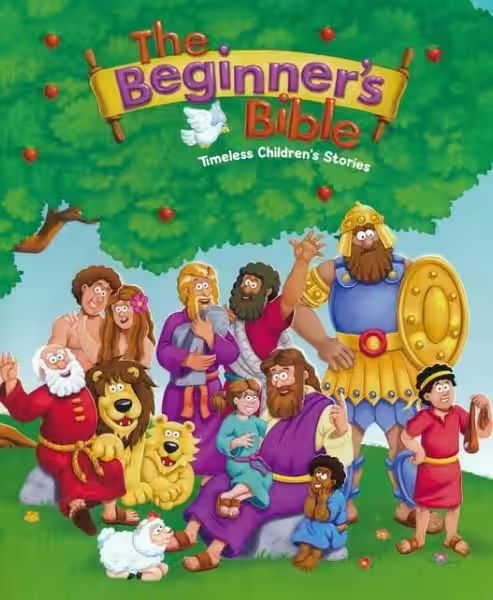
The Bible, a collection of ancient texts, holds a profound place in many cultures and religions. For those new to exploring its stories and teachings, starting your journey can feel daunting. But don’t worry! This guide is designed to make your exploration of the Bible a rewarding and enriching experience. Beginners often find comfort in focusing on specific areas, like the parables, or the stories of famous figures.
Understanding the different sections of the Bible is key to navigating its vastness. The Bible isn’t just one book; it’s a collection of books, spanning thousands of years and diverse perspectives. It’s composed of the Old Testament and the New Testament. These sections tell different stories, but often weave together to provide a comprehensive narrative about humanity’s relationship with God. For study the bible for beginners, it’s helpful to start with a general overview of each section before diving deep into individual books.
The Old Testament, often viewed as a foundational text for understanding the Jewish faith and aspects of Christianity, is filled with stories of creation, covenants, prophets, and kings. Key themes include the concept of God’s promises and His relationship with His people. These stories, while ancient, often offer profound insights into human nature and the challenges of faith. For instance, the story of Abraham, who journeyed far from his homeland at God’s command, provides a compelling example of trust and obedience. Exploring these stories can help beginners understand the context for many New Testament concepts.
Studying the Old Testament helps you appreciate the historical and cultural backdrop of the New Testament. It delves into the lives of figures like Moses, who received the Ten Commandments, and David, a shepherd who became a king. These tales are often full of dramatic events and moral lessons. By understanding these stories, you’re better positioned to grasp the context and motivations of figures and events in the New Testament. This in turn helps to make studying the Bible for beginners more engaging and meaningful.
Navigating the New Testament
The New Testament focuses on the life, teachings, death, and resurrection of Jesus Christ. This central figure is a cornerstone for Christians and shapes many of the concepts in their faith. This part of the Bible explores themes of love, forgiveness, and salvation, often presented through parables and narratives. Jesus’ teachings, like the Sermon on the Mount, offer guidance on how to live a righteous life. Studying these narratives helps beginners develop their understanding of Christian values.
The New Testament also includes accounts of Jesus’ apostles and their spreading of the teachings. The letters, or epistles, written by Paul and other disciples provide crucial insights into early Christianity and offer practical advice for believers. These letters often address specific challenges and offer guidance on living a life that aligns with Jesus’ teachings. This section is crucial for study the bible for beginners who want to grasp the core values and beliefs of Christianity.
Finding Resources and Support
Studying the Bible can be a personal journey, but it doesn’t have to be solitary. Numerous resources can assist beginners. Consider using study Bibles, which often include commentary and insights. These helpful resources can illuminate different passages. You could also join a study group or attend a Bible study class, as learning in community can provide valuable perspectives from others. Connecting with others who are also studying the Bible helps create a supportive environment and fosters deeper understanding.
Choosing a translation is also important in your study the bible for beginners. Different translations capture the nuances of the original languages in varying ways. If possible, comparing translations can offer a more nuanced understanding of a passage. Consider consulting with a pastor, priest, rabbi, or other religious leader if you have questions or want a deeper understanding. There are endless possibilities for study the bible for beginners, and these resources will help you find a path that’s best for you.
Frequently Asked Questions
What is the Bible?
The Bible is a collection of religious texts, considered sacred by Christians and some other faiths. It’s a compilation of books, stories, poems, and letters, broadly categorized into the Old Testament and the New Testament.
Why should I study the Bible?
Studying the Bible can offer a deeper understanding of faith, morality, history, and the human experience. It provides guidance on living a meaningful life, and a framework for understanding the world around you.
Where do I start studying the Bible?
A good starting point is to read the Gospels (Matthew, Mark, Luke, and John) in the New Testament, which tell the story of Jesus’ life, teachings, and ministry. Consider a study Bible with commentary or an introductory book on Bible study.
What does the Bible say about [insert topic here]?
(This is a placeholder. You’ll need to replace “[insert topic here]” with the specific topic the user is interested in.)
What does the Bible mean by [insert phrase/concept here]?
(This is a placeholder. You’ll need to replace “[insert phrase/concept here]” with the specific phrase or concept the user is interested in.)
How can I understand the Bible if I’m not religious?
You can study the Bible as a historical and cultural document to learn about different perspectives, beliefs, and societal structures that have shaped human history. It’s also a rich source of stories and poetry that can offer insights into the human condition.
What is the difference between the Old and New Testaments?
The Old Testament primarily focuses on the history and covenants of the Jewish people, and foreshadows the coming of Jesus. The New Testament centers on the life and teachings of Jesus, and the early Christian church.
How can I find a community to help me study the Bible?
Many churches, religious organizations, and online forums offer Bible study groups. You can also find study resources and encouragement from other learners online.